
Commercial Real Estate Brokers in BotswanaStrategic assets for global expansion
Popular
cities and regions in Botswana

Best offers
in Botswana
Benefits of investing in commercial real estate in Botswana


Urban anchor
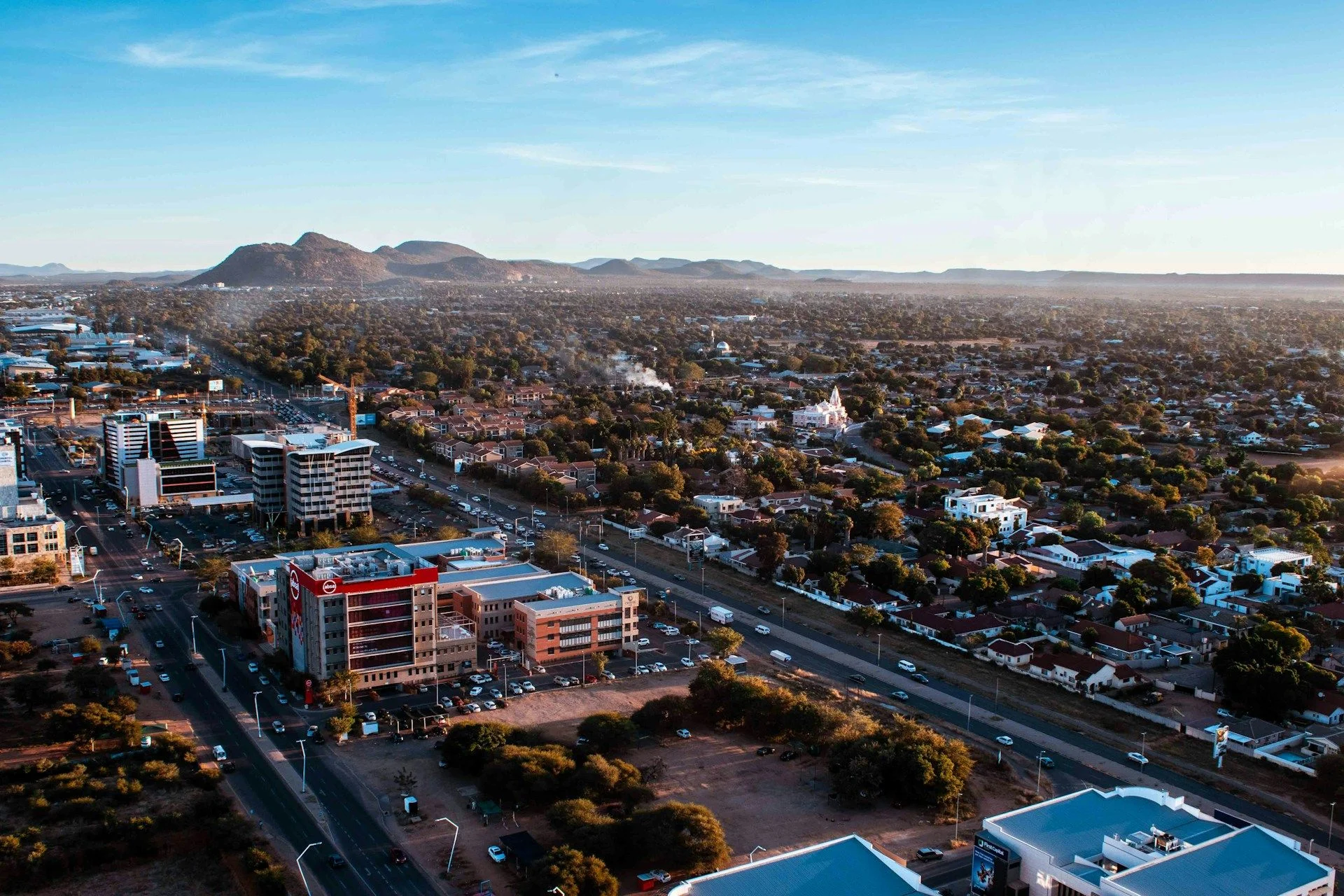
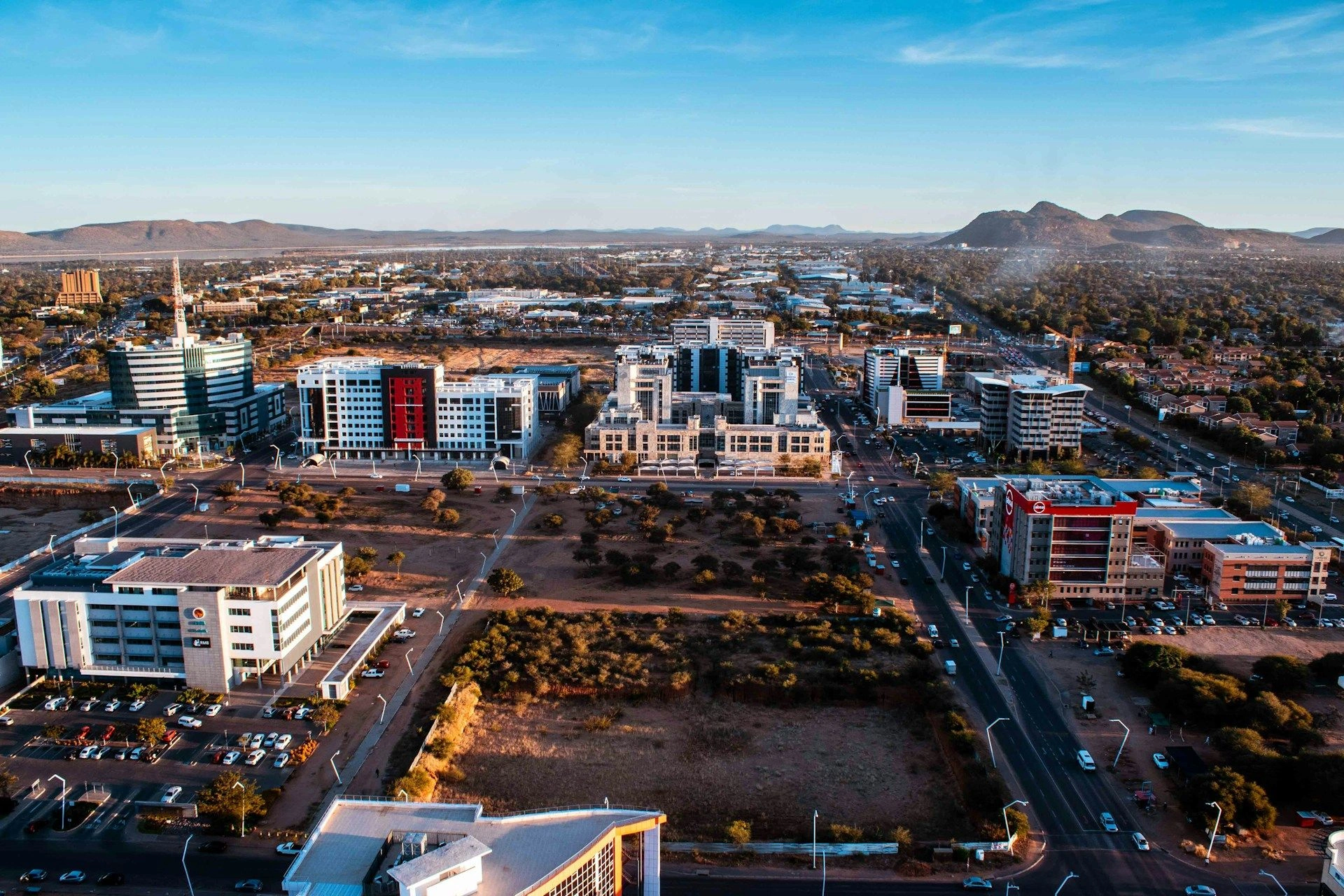
Botswana builds commercial relevance through Gaborone's service economy, giving offices, retail, and mixed business premises a clear urban demand base supported by administration, private services, and steady year round local use
Tourism layer
The market gains another strong commercial dimension through Maun and Kasane, where hospitality, food service, and guest related business formats make more sense than generic offices because visitor turnover is a visible driver
Corridor use
VelesClub Int helps read Botswana by separating Gaborone offices, tourism led service assets, and north south logistics routes, so buyers compare actual property function and territory before narrowing toward more specific opportunities
Urban anchor
Botswana builds commercial relevance through Gaborone's service economy, giving offices, retail, and mixed business premises a clear urban demand base supported by administration, private services, and steady year round local use
Tourism layer
The market gains another strong commercial dimension through Maun and Kasane, where hospitality, food service, and guest related business formats make more sense than generic offices because visitor turnover is a visible driver
Corridor use
VelesClub Int helps read Botswana by separating Gaborone offices, tourism led service assets, and north south logistics routes, so buyers compare actual property function and territory before narrowing toward more specific opportunities








Useful articles
and recommendations from experts
Where commercial property in Botswana fits best
Why commercial property in Botswana stays commercially readable
Commercial property in Botswana matters because the market is concentrated enough to be understandable, yet varied enough to support more than one strategy. Gaborone gives the country its clearest office and service core. Francistown and the main north south route add trade, storage, and practical business movement. Maun and Kasane change the picture again through tourism, hospitality, and visitor facing service demand. This creates a national market that is not large, but is commercially legible in ways that many broader African markets are not.
That is what makes commercial real estate in Botswana useful at country level. It is not only a Gaborone office market and not only a safari economy. Offices, warehouse property, mixed service premises, hospitality linked assets, and owner occupier commercial buildings can all make sense, but only when they are matched to the right local role. A Gaborone office, a logistics unit on the main inland corridor, and a hospitality asset in Maun do not belong to the same commercial map. Botswana becomes easier to shortlist when those roles are separated from the start.
Gaborone anchors office space in Botswana
Office space in Botswana starts with Gaborone because that is where the broadest mix of administration, business services, finance related activity, healthcare, education, and day to day commercial use is concentrated. For many buyers, this makes the capital the natural first screen because it gives office property in Botswana its clearest national meaning. In a market of this size, concentration is not a weakness. It creates clarity and reduces false comparisons.
That does not mean every office in Gaborone should be read the same way. Some assets fit stronger formal business occupancy and more established long term use. Others work better for owner occupiers, clinics, training businesses, consultancies, mixed service operators, or practical companies that need visibility and access more than a corporate image. In Botswana, the right office is rarely just the newest building. It is the one whose district, scale, and surrounding commercial activity fit the likely occupier most closely.
This is one reason VelesClub Int is useful in the market. Gaborone can look small from a distance, yet stronger business premises and more functional mixed service locations should not be screened the same way. Better office decisions usually begin by separating formal business demand from practical customer facing use.
Beyond Gaborone, commercial property in Botswana changes role
Once the market moves outside the capital, the logic shifts quickly. Francistown matters because it sits inside a practical trade and transport reading of the country. It is not a smaller copy of Gaborone. It often makes more sense through warehousing, wholesale supply, mixed service premises, and owner occupier formats tied to movement and local business use. In many cases, the stronger property there is the one solving an obvious operating need rather than the one trying to imitate capital city office logic.
Other urban and regional centres can also support targeted commercial use, but usually through clear local demand rather than through broad speculative categories. This means Botswana is not a country where every major town should be screened through the same lens. The stronger strategy usually comes from knowing whether the asset belongs to the capital service economy, the inland movement corridor, or the tourism layer.
Why logistics and movement shape commercial property in Botswana
Warehouse property deserves more weight than many buyers first expect because Botswana depends on inland transport, distribution, storage, and reliable movement between its main urban, trade, and border linked routes. The country may not have seaports, but it still has a very clear operational map. Gaborone matters because it is the largest business and consumer base. Francistown matters because of its position within the north south route. The Trans-Kalahari direction also strengthens the commercial logic of movement and trade across the country.
The key point is function. A warehouse in Botswana becomes commercially strong when it supports a real chain of supply, whether that means food distribution, retail stocking, construction support, hospitality servicing, or direct owner occupied operations. A facility near the right road network can have far more practical meaning than a larger building in a weaker location. In this market, utility usually matters more than size.
This is one of the clearest advantages of commercial property in Botswana. The logistics layer is not abstract. It is visible, route led, and easier to read than in many markets where warehousing is discussed too generically. VelesClub Int helps keep that distinction clear by separating practical distribution assets from more mixed operational premises.
How tourism changes commercial property in Botswana
Tourism gives Botswana a second commercial engine that is very different from the office and corridor story. Maun is the clearest example because it supports safari related hospitality, guest services, food and beverage, logistics support, and mixed tourism operations in a way that no purely urban office market could. Kasane adds another visitor driven service environment where hospitality, leisure support, and short stay commercial use can be more meaningful than formal office premises.
This matters because hospitality linked property in Botswana is not just about hotels. It also includes restaurants, mixed guest service units, small commercial buildings tied to visitor demand, and practical premises that support tour, transport, and leisure activity. In those markets, the stronger asset is usually the one backed by a fuller service ecosystem rather than by scenery alone.
Still, hospitality should not dominate every strategy by default. A tourism asset in Botswana works best when it benefits from transport access, repeat guest flow, surrounding service density, and enough operating structure to remain commercially legible beyond peak periods. The better hospitality decision usually comes from reading the whole service environment, not just the tourism label.
Retail space in Botswana depends on daily spending first
Retail space in Botswana is commercially relevant because it is supported first by local urban use and only then strengthened by tourism. Gaborone remains the strongest retail reference point because of residents, workers, students, healthcare activity, transport movement, and mixed neighbourhood demand. That gives the capital the broadest and most stable service economy in the country.
Francistown and selected regional centres can also support practical retail and food service property where local routine is visible. In tourism exposed towns, retail may be strengthened by guests, but the stronger unit is usually the one supported by both visitor demand and repeat local use. In Botswana, the better retail property is often the one tied to a clear daily rhythm rather than the one with the loudest frontage.
This is why mixed service property deserves real attention. Food and beverage, healthcare adjacent services, convenience formats, customer facing offices, and tourism support units often make more sense than a narrow retail label in a country where one district can serve several commercial functions at once.
Which strategies fit commercial property in Botswana best
Botswana supports several strategies, but each one belongs in a different setting. Stable income logic often fits best in readable Gaborone offices, practical mixed service units, hospitality assets in proven tourism markets, and operational buildings with clear route value. Owner occupier logic can be especially effective in clinics, training centres, warehouses, business service premises, and mixed commercial property where direct use matters more than broad market liquidity.
Repositioning also has a real place in the market. Some good locations still contain buildings that no longer match current occupier needs in layout, frontage, efficiency, or service mix. This can apply to older office and service premises in Gaborone, mixed commercial assets on the main urban corridor, and hospitality properties in tourism markets that need a clearer operating concept. Botswana rewards this kind of disciplined thinking because the main demand engines are visible enough to test whether a new use idea is grounded.
Pricing commercial property in Botswana depends on role and place
Pricing only makes sense when the role of the asset is clear. In Gaborone offices, stronger values are usually supported by district quality, access, and how well the premises fit actual occupiers. In warehouse and operational property, value depends more on route relevance, practicality, and whether the building supports a real chain of movement. In hospitality and service assets, pricing is shaped more by local turnover, service density, and how durable the demand actually is.
That is why buyers who want to buy commercial property in Botswana should avoid broad comparisons between unlike assets. A cheaper office outside the strongest service logic may still be less practical than a better positioned one in Gaborone. A larger warehouse away from the main routes may be less useful than a smaller but better connected facility. A tourism asset with a good label may still be weaker than a simpler property in a location with clearer operating demand. The most useful comparison in Botswana is not low price against high price. It is clear demand against unclear demand.
Questions that clarify commercial property in Botswana
Why does Gaborone dominate office space in Botswana so strongly
Because Gaborone concentrates the broadest mix of administration, private business activity, healthcare, education, and professional services, which gives office assets there a clearer occupier base than elsewhere in Botswana
Can hospitality property in Botswana be stronger than offices in some locations
Yes. In Maun and Kasane, hospitality and mixed guest service property can be more practical than formal office space because visitor turnover and surrounding service demand create a stronger commercial role
Why can a smaller warehouse in Botswana be more useful than a larger one
Because the stronger warehouse asset is usually the one that sits inside a visible route and supply chain, serving food distribution, retail support, hospitality servicing, or owner occupied operations more efficiently
Does Francistown matter mainly as a city or as a corridor market
It matters more clearly as both a regional city and a movement node, which is why mixed service and warehouse assets there often make more sense through trade and distribution than through pure office logic
What usually makes one Botswana commercial asset more practical than another
The strongest asset is usually the one that matches the main demand engine behind its location, whether that is Gaborone office depth, tourism backed turnover, or route based operational use with visible daily business demand
Choosing commercial property in Botswana with better focus
Botswana belongs on a commercial shortlist when the buyer wants a market that is compact, readable, and commercially differentiated by clear local roles rather than by scale. Offices, hospitality linked assets, service retail, and selective operational property can all make sense, but only when they are matched to the part of Botswana that actually supports them.
Seen that way, commercial property in Botswana becomes less generic and more actionable. VelesClub Int helps turn country level interest into a clearer strategy, a tighter territorial screen, and a more confident next step in commercial asset selection