
Commercial buildings in BenguelaBusiness assets aligned with demand
Best offers
in Angola
Benefits of investing in commercial real estate in Benguela


Local demand drivers
Benguela's coastal port and fisheries base, plus agribusiness and growing domestic trade, drives demand for logistics, retail and tourism, while provincial administration and corporate services supply longer-term leases and varied tenant stability
Asset types and strategies
Logistics warehouses near the port, coastal hotels and short-stay hospitality, neighborhood retail and mid-grade offices dominate Benguela, supporting strategies from core long-term leases to value-add repositioning and single-tenant versus multi-tenant allocations
Expert selection support
VelesClub Int. experts define strategy for Benguela, shortlist assets and run screening including tenant quality checks, lease structure review, yield logic, capex and fit-out assumptions, vacancy risk assessment and a focused due diligence checklist
Local demand drivers
Benguela's coastal port and fisheries base, plus agribusiness and growing domestic trade, drives demand for logistics, retail and tourism, while provincial administration and corporate services supply longer-term leases and varied tenant stability
Asset types and strategies
Logistics warehouses near the port, coastal hotels and short-stay hospitality, neighborhood retail and mid-grade offices dominate Benguela, supporting strategies from core long-term leases to value-add repositioning and single-tenant versus multi-tenant allocations
Expert selection support
VelesClub Int. experts define strategy for Benguela, shortlist assets and run screening including tenant quality checks, lease structure review, yield logic, capex and fit-out assumptions, vacancy risk assessment and a focused due diligence checklist








Useful articles
and recommendations from experts
Navigate commercial property in Benguela markets
Why commercial property matters in Benguela
Commercial property in Benguela matters because the city functions as a coastal economic node with mixed demand drivers that differ from inland capitals. Local demand is driven by port-linked logistics, coastal tourism, light manufacturing, and a growing services sector that supports regional trade. Office tenants typically include professional services, small corporate branches and public administration units that require modest office space footprints. Retail demand is driven by urban population density and tourism seasonality, creating recurring need for high-street units, neighborhood retail and hospitality-related premises. Healthcare and education operators generate demand for clinic and campus-style space where population catchments justify fixed facilities. Owner-occupiers purchase commercial property to secure long-term operating bases, while investors acquire assets for rental income or repositioning; operators may lease larger units such as warehouses or hotels and manage day-to-day performance. Understanding these local sector drivers is essential when assessing commercial real estate in Benguela because the city’s coastal geography and seasonal flows shape leasing patterns and asset utilization.
The commercial landscape – what is traded and leased in Benguela
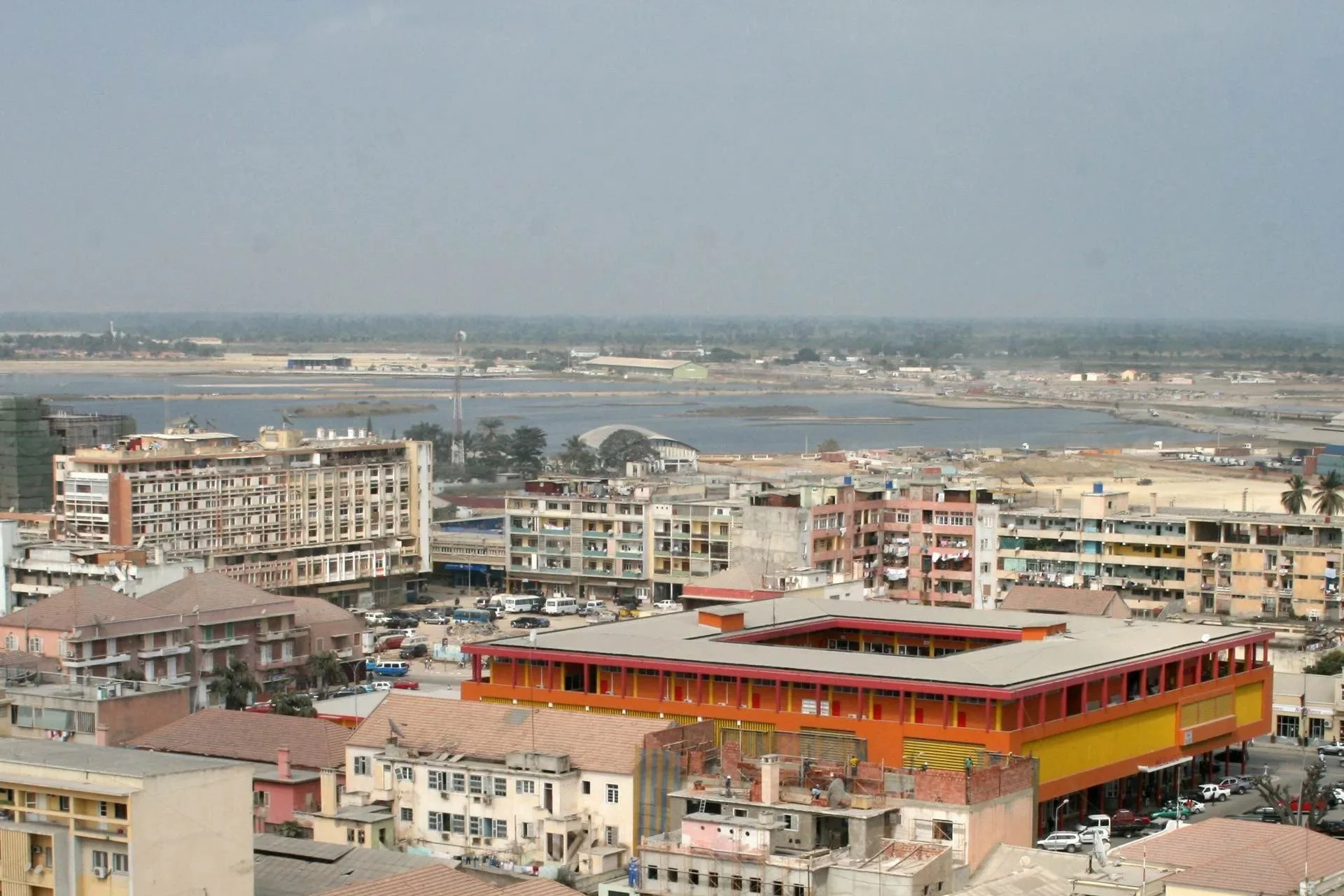
The commercial landscape in Benguela includes a mix of business districts, high-street corridors, neighborhood retail strips, logistics and industrial zones, and tourism clusters near the waterfront. Business districts concentrate professional office leases and small financial-services operations; high-street corridors capture walk-in retail, cafés and service-oriented tenants that benefit from pedestrian throughput. Neighborhood retail meets residential catchment needs and tends to trade on frequent but lower-value transactions compared with prime high-street tenants. Logistics and warehousing activity clusters where access to the coastal road network and regional freight routes is best, and light industrial units support trade and small-scale manufacturing. In this market, lease-driven value is prominent for properties with long, index-linked contracts and strong tenant covenants; asset-driven value is more relevant where repositioning or a change of use can extract higher rents or new revenue streams, such as converting underused commercial floors to flexible office or hospitality uses. Distinguishing between lease-driven and asset-driven value is a practical starting point for valuation and underwriting when assessing commercial real estate in Benguela.
Asset types that investors and buyers target in Benguela
Investors and buyers in Benguela target a defined set of asset types according to risk appetite and return horizon. Retail space in Benguela is sought for high-street units near pedestrian corridors and for neighborhood retail that serves residential districts. The choice between high-street and neighborhood retail hinges on footfall, catchment income and tenant mix; high-street units demand higher rents but are more sensitive to tourism seasonality, while neighborhood retail offers steadier low-volatility cash flows. Office space in Benguela ranges from small floorplates in central blocks to hybrid serviced office models that cater to freelancers and SMEs; prime versus non-prime office logic follows building specification, access to business services and proximity to transport nodes. Hospitality assets are targeted where coastal tourism seasonality supports room-night demand and where adaptive management can smooth annual cash flow. Restaurant, café and bar premises are leased with specific fit-out obligations and typically trade with shorter lease terms or turnover rent elements. Warehouse property in Benguela serves last-mile distribution and light manufacturing; e-commerce growth increases demand for flexible, modular warehouses closer to urban centers, while larger logistics zones focus on bulk storage and port intermodal transfer. Mixed-use and revenue houses appeal where residential demand can be combined with retail frontage to diversify income. Investors compare operational complexity, capex needs and lease flexibility across these segments when forming a local investment thesis.
Strategy selection – income, value-add, or owner-occupier
Choosing a strategy in Benguela depends on market timing, asset quality and investor capability. An income-focused approach emphasizes stable, long-term leases with creditworthy tenants and indexation to manage inflationary risk; in Benguela this often means targeting institutional or government-backed tenants where available, and prioritizing assets in central business areas or proven retail corridors. A value-add strategy pursues refurbishment, re-leasing or partial conversion to higher-yielding uses; this is effective where building stock is dated, municipal approvals permit adaptive reuse, and there is demonstrable demand uplift from upgrades. Mixed-use optimization combines residential and commercial income to smooth seasonality and tenant churn, particularly useful where tourism-driven volatility affects retail and hospitality cash flows. Owner-occupier logic focuses on operational control and long-term cost predictability rather than short-term yield; buyers who plan operational consolidation will weigh location convenience, building adaptability and total occupancy cost against outright purchase price. Local factors in Benguela that influence strategy selection include business cycle sensitivity tied to regional trade flows, typical tenant churn rates in retail and hospitality, seasonality from coastal tourism, and the relative intensity of municipal permitting and building compliance processes.
Areas and districts – where commercial demand concentrates in Benguela
Commercial demand in Benguela concentrates along a few predictable spatial patterns. The central business area attracts office tenants and corporate services because it centralizes administrative functions and service providers. High-street corridors and waterfront strips concentrate retail and hospitality demand, benefitting from tourist footfall and leisure activity. Residential catchments support neighborhood retail and small professional services, offering more stable demand profiles. Transport nodes and major arterial roads create logistics corridors where warehouse and light industrial demand clusters to optimize last-mile distribution. Emerging business areas on the city periphery can offer lower acquisition costs but carry higher infrastructure and oversupply risk, so investor diligence should focus on planned road improvements, utility provision and competing developments. When assessing areas, evaluate commuter flows, connectivity to freight routes and the balance between tourism corridors and resident-driven demand to gauge both upside and vacancy risk.
Deal structure – leases, due diligence, and operating risks
Deal structure in Benguela typically hinges on lease terms and the allocation of operating responsibilities. Buyers review lease length, renewal and break clauses, indexation mechanisms and any turnover or percentage rent components. Service charges and common area maintenance obligations can materially affect net operating income, so clarity on fit-out responsibilities and landlord versus tenant capex obligations is important. Vacancy and reletting risk should be modelled based on local tenant churn norms and the realistic marketing timeline for each asset class. Due diligence covers physical condition surveys, building compliance and safety, utility capacity and environmental considerations where industrial uses are present. Financial due diligence examines historical rent rolls, arrears patterns and tenant concentration risk in the income stream. Operational risks include rising maintenance costs, potential regulatory changes impacting permitted uses, and demand shifts driven by seasonality. Investors should incorporate conservative assumptions for downtime and capex and develop contingency plans for tenant replacement or temporary use during repositioning projects.
Pricing logic and exit options in Benguela
Pricing logic for commercial property in Benguela reflects a combination of location, tenant covenant strength, lease length and building condition. Properties on higher-footfall corridors or near transport nodes command premiums. Lease length and indexation support pricing for income-focused investors, while shorter leases or flexible tenancies favor value-add buyers who anticipate re-leasing at higher rents after refurbishment. Building quality and deferred capex requirements will adjust bidding discipline; older stock with structural or compliance issues requires deeper discounts to justify intervention. Alternative use potential—where zoning permits conversion between office, retail or light industrial—can add optionality and influence price expectations. Exit options include holding to generate rental income and refinance when market leverage is available, re-leasing followed by sale to an income buyer, or repositioning and selling to a specialist operator. Each exit path requires alignment between acquisition assumptions and realistic market timing in Benguela, with sensitivity to tourism seasonality and regional trade conditions that can affect both earnings and buyer demand.
How VelesClub Int. helps with commercial property in Benguela
VelesClub Int. supports clients looking to buy commercial property in Benguela through a structured process tailored to local market dynamics. The service starts by clarifying investment or occupation objectives and aligning those with acceptable risk profiles. VelesClub Int. defines target segments and district types that match the client’s strategy, then screens available assets against lease length, tenant quality and capex exposure to produce a short list. The firm coordinates focused due diligence workflows that cover physical surveys, financial review and operational readiness assessments, and it synthesizes findings into decision-ready reports that highlight key risks and mitigations. During negotiation and transaction phases, VelesClub Int. assists with commercial terms and timetables while ensuring proposals are consistent with the client’s exit options and financing constraints. All recommendations are tailored to the client’s capabilities and objectives, with practical attention to Benguela’s demand drivers and seasonal patterns.
Conclusion – choosing the right commercial strategy in Benguela
Choosing the right commercial strategy in Benguela requires aligning sector selection, geography and deal structure with a clear view of leasing dynamics, tenant risk and required capital expenditure. Income-focused buyers prioritize long leases in central locations; value-add players seek assets where refurbishment or reconfiguration can unlock higher rents; owner-occupiers prioritize operational fit and location convenience. Warehouse and logistics opportunities should be evaluated against road access and proximity to freight corridors, while retail and hospitality investments must account for seasonality and tourist flows. For investors and occupiers looking to enter or expand in this market, consult VelesClub Int. experts for a tailored assessment and asset screening process that reflects local realities and practical exit options. Engage with VelesClub Int. to refine your strategy and shortlist suitable commercial real estate in Benguela consistent with your objectives.