
Lots for Sale in GreenlandBuildable lots for ownership and development
أفضل العروض
في غرينلاند
Land Plots in Greenland

Cold ground
In Greenland, practical building depends on access, utilities, permafrost conditions, drainage, and settlement context, because vast open land can look available while supporting very different levels of real residential use
Site limits
A plot in Greenland may look open and simple, yet frozen ground, coastal exposure, service gaps, road limits, and short building seasons can all affect how practical the land becomes for a private home
Better screening
VelesClub Int. helps buyers review land plots in Greenland through parcel filtering, catalog guidance, and risk screening, so decisions begin with build practicality, not map scale, scenery, or listing presentation
Cold ground
In Greenland, practical building depends on access, utilities, permafrost conditions, drainage, and settlement context, because vast open land can look available while supporting very different levels of real residential use
Site limits
A plot in Greenland may look open and simple, yet frozen ground, coastal exposure, service gaps, road limits, and short building seasons can all affect how practical the land becomes for a private home
Better screening
VelesClub Int. helps buyers review land plots in Greenland through parcel filtering, catalog guidance, and risk screening, so decisions begin with build practicality, not map scale, scenery, or listing presentation
مقالات مفيدة
وتوصيات من الخبراء
Land realities and building choices in Greenland
Land demand in Greenland follows settlement patterns rather than visible open territory
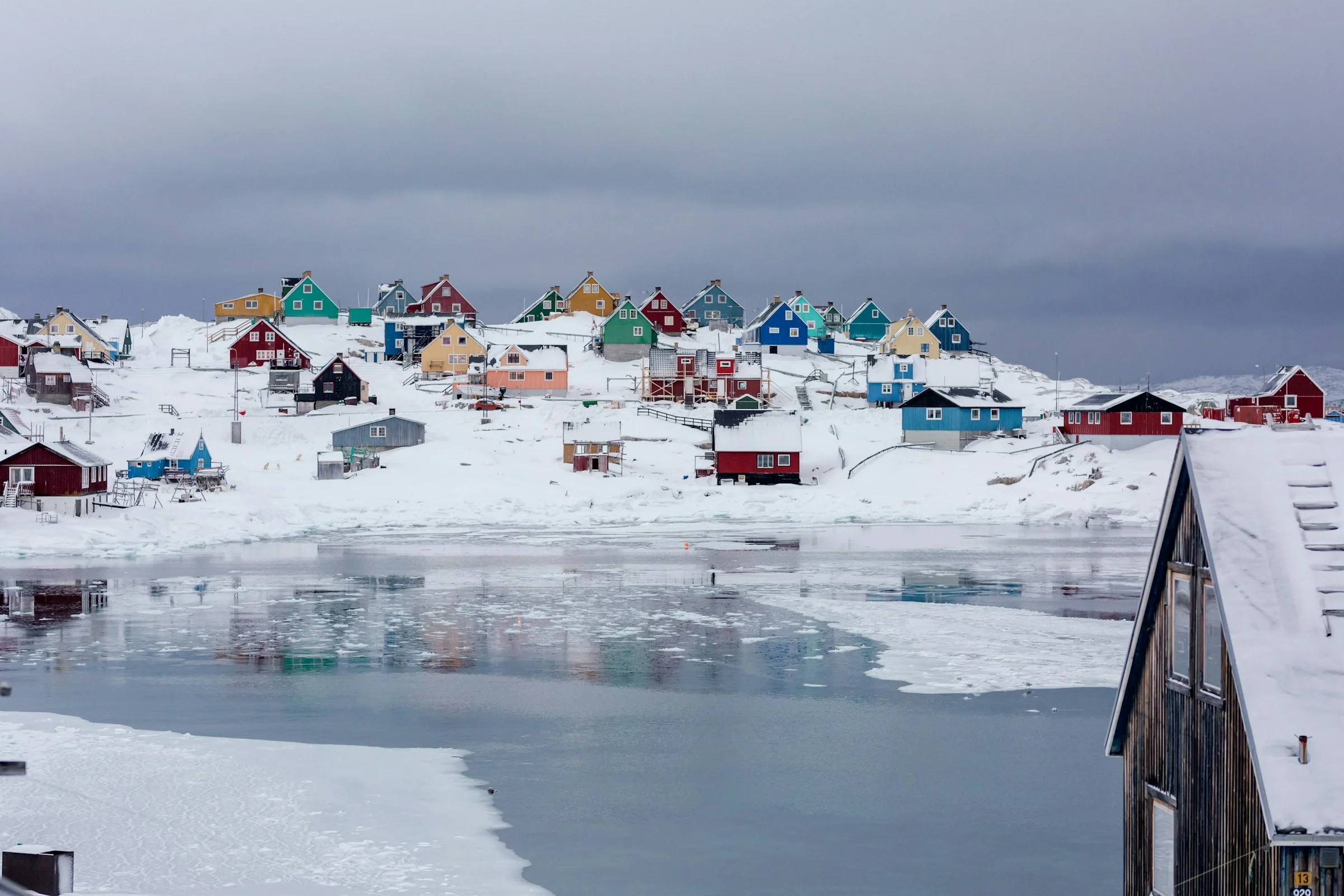
Greenland can look like a place of unlimited land, yet practical residential land is far narrower than the map suggests. A buyer planning a private home is not choosing from one wide and uniform market. What matters is where a parcel sits within a real pattern of settlements, access routes, utility reach, and ground conditions that can support normal residential use. Open land is not automatically usable land, and dramatic scenery is not automatically build ready land.
This is why land for sale in Greenland should be judged through residential practicality before price or size alone. A parcel near a clearer settlement pattern may offer a much stronger route into personal building than a larger site in a weaker practical setting. One plot may support a disciplined home project. Another may look broad, remote, and visually impressive while carrying more hidden burden through frozen ground, service limits, and access constraints.
Building on land in Greenland starts with the parcel before the house idea
Many buyers begin with the home they want. They imagine insulation, views, layout, privacy, storage, and daily comfort, then search for land that seems large enough or attractive enough to support that idea. In Greenland, that order often creates friction because the parcel itself sets the real conditions early. Plot shape, ground stability, road relationship, wind exposure, and surrounding settlement context all influence what kind of home can sit naturally on the site.
That is why buildable land in Greenland should be treated as a practical condition rather than a broad label. A stronger parcel is one where the intended home can be placed with clear logic, where the site does not force repeated compromise, and where the path from raw land to stable residential use already feels understandable. A weaker site may still look attractive in a listing, but it often turns the project into a sequence of workarounds instead of a controlled build.
Frozen ground in Greenland separates open land from efficient land
One of the clearest realities of this market is that visually open land and easy land are not always the same thing. Greenland contains large areas where ground conditions shape the building decision from the start. A parcel may seem wide, clean, and simple, yet frozen soil, seasonal thaw response, or uneven rock conditions can change how the house sits on the site and how much preparation is needed before construction becomes realistic.
This is why similarly priced parcels can lead to very different outcomes. One site may support a straightforward residential plan with manageable preparation. Another may appear equally promising while demanding more adaptation before the structure begins to feel stable on the land. Buyers who want to buy land in Greenland for personal use should compare ground behavior before they compare scenery or map scale alone.
Road access in Greenland is one of the strongest filters between easy land and conditional land
In a territory where settlements are limited and connectivity is not uniform, parcel level access matters immediately. A site may look close enough to a community on a map and still become difficult if the approach is weak, indirect, or poorly aligned with the intended build area. That affects not only construction logistics, but also how naturally the finished home fits into daily life.
That is why access should be treated as part of the parcel itself and not as a small issue to solve later. Clean approach supports site planning, utility decisions, construction flow, and ordinary movement. A weaker approach may remain technically possible, but it usually adds friction that stays visible long after the purchase. In Greenland, the better parcel is often the one with simpler and clearer access rather than the one with the strongest first visual impression.
Utilities in Greenland help separate easy plots from conditional ones
Buyers sometimes focus so heavily on the land itself that they underestimate how strongly utilities shape residential feasibility. In Greenland, service context matters because it helps determine whether a parcel behaves like a real homesite or like a more open ended project. A plot may seem attractive in size and appearance while remaining weaker for private building if the surrounding service environment is less direct or less readable.
This is why land plots in Greenland should be compared through service logic as well as physical form. A site inside a clearer residential pattern often offers a stronger foundation because the path from raw land to daily use feels more organized. A more isolated or thinner context parcel may still work, but it usually asks the buyer to accept more project burden and less immediate clarity.
Climate exposure in Greenland changes real land value beyond parcel size
One of the most underestimated issues in northern land buying is that climate is not a background detail. In Greenland, cold, wind, snow load, and the length of the building season all influence how practical a parcel becomes for private residential use. A site that looks calm in a listing may behave differently once year round exposure is treated seriously. Broad open space is not the same as practical comfort.
This matters because similarly priced plots can create very different project burdens. One parcel may support a clear residential plan with manageable preparation and realistic year round use. Another may seem equally attractive yet require more protection, more service planning, and more adaptation before the home feels secure on the land. Buyers who compare exposure logic early usually make stronger and more disciplined land decisions.
Settlement context in Greenland helps reveal whether a parcel supports daily residential life
Land should not be judged in isolation from what surrounds it. A parcel inside or near a clearer residential pattern usually gives the buyer more information about neighboring use, access rhythm, and how the finished property may function once complete. The site already belongs to a visible pattern of daily life. That does not remove every project question, but it usually reduces uncertainty.
By contrast, a parcel in a thinner or more weakly connected setting may still be attractive, but it often leaves more practical questions unresolved. That may suit a patient buyer with a flexible brief. It is less suitable for someone who wants a more disciplined route from land acquisition to completed home. In Greenland, local settlement context is part of parcel performance, not just background detail.
Coastal position in Greenland can improve location logic but increase site demands
Many viable residential sites in Greenland sit within coastal settlement patterns, and that can make proximity to the water feel like a natural advantage. Yet coastal position should not be confused with simple building logic. Exposure, wind, moisture, and the relationship between the build area and the shoreline context all affect how comfortably the land can support long term residential use.
This does not mean coastal land is the wrong choice. It means it should be selected for more than location effect. The stronger coastal parcel is the one where access, utilities, ground stability, and shelter conditions still support a practical home. In Greenland, coastal use is common, but coastal discipline is what protects the decision.
Parcel shape in Greenland influences layout, privacy, and build efficiency
Buyers often focus on total size first, especially where the map suggests immense space. But size alone does not determine whether a plot will support a good home. Shape matters because it affects how naturally the house can sit on the parcel, how circulation works, and whether privacy and functional outdoor space feel easy or forced. A larger plot with awkward form can be weaker than a smaller parcel with cleaner geometry.
This becomes especially important when access, frozen ground, or exposure already narrow the practical building zone. In those cases, efficient shape becomes part of real value. A parcel that lets the home sit naturally on the site usually produces a stronger result than one that looks generous in listing terms but keeps fragmenting the project into compromises. Buyers comparing land in Greenland should therefore screen geometry as carefully as they screen area.
Reading the VelesClub Int. catalog for Greenland works best with parcel first filters
The catalog becomes more useful when the buyer already knows what kind of site supports the actual goal. Instead of reacting to every listing by scenery, remoteness, or broad location, it is more productive to compare land plots in Greenland through access quality, likely utility logic, exposure, parcel shape, ground behavior, and settlement context. That turns browsing from passive interest into structured screening.
Relevant plots can be reviewed in the VelesClub Int. catalog with that method in mind. A structured request should describe the intended house type, preferred environment, tolerance for more site work or stronger exposure, need for clearer access and service context, and whether the buyer wants a cleaner near term build or can accept a more conditional parcel. This helps separate broad land availability from genuine residential suitability.
Questions buyers ask about land in Greenland
Why can two parcels in Greenland with similar prices lead to very different building outcomes?
Because price does not show access quality, ground response, utility context, parcel shape, exposure, or how directly the site supports the intended house. Those practical factors usually define the real difference.
Does a larger parcel in Greenland automatically make a better homesite?
No. More land helps only when the site remains efficient to use. A smaller parcel with cleaner access, clearer services, and a stronger settlement context can be better for personal residential use.
What usually makes a parcel realistically suitable for a private home in Greenland?
A suitable parcel usually combines understandable access, workable utility logic, manageable ground and exposure conditions, efficient shape, and a surrounding pattern that supports normal residential use without repeated compromise.
Why should buyers focus so much on frozen ground and climate exposure when comparing land in Greenland?
Because those factors affect foundation logic, site preparation, seasonal construction rhythm, and long term comfort. A parcel that handles them poorly can weaken the whole project even if it looks attractive in the first comparison.
Are more remote parcels in Greenland always stronger because they offer more space and scenery?
No. More space and stronger views can still produce a weaker decision if access, infrastructure, and residential practicality are less clear. The stronger parcel is the one that supports the intended home more directly.
How should buyers compare land options in the VelesClub Int. catalog for Greenland?
They should group parcels by intended use first, then compare access, utilities, exposure, parcel shape, ground behavior, and settlement context. That method separates broad open land from sites that are genuinely workable for a home.