
Owner-posted homes in CataloniaTrusted owner listings with full property information
Popular
cities and regions in Spain
Best offers
in Catalonia
Real estate from owners in Catalonia

Regional mosaic
Catalonia stretches from Pyrenees towns to dense coastal cities and quiet inland plains. Buying directly from owners helps buyers compare microclimates, transport and services and choose real estate that actually fits year round routines.
Owner knowledge
Owners in Catalonia who manage their own sale explain reforms, community rules and seasonal behavior clearly. Buyers understand which property for sale hides future costs and which homes genuinely match budget, comfort and repair expectations.
Demand and mobility
Local households, students and relocators move often between Catalan cities, coasts and valleys. Direct talks with owners about rental history, neighbours and commutes help buyers treat sale by owner homes as planned long term decisions.
Regional mosaic
Catalonia stretches from Pyrenees towns to dense coastal cities and quiet inland plains. Buying directly from owners helps buyers compare microclimates, transport and services and choose real estate that actually fits year round routines.
Owner knowledge
Owners in Catalonia who manage their own sale explain reforms, community rules and seasonal behavior clearly. Buyers understand which property for sale hides future costs and which homes genuinely match budget, comfort and repair expectations.
Demand and mobility
Local households, students and relocators move often between Catalan cities, coasts and valleys. Direct talks with owners about rental history, neighbours and commutes help buyers treat sale by owner homes as planned long term decisions.


Useful articles
and recommendations from experts
Buying Property from Owners in Catalonia: What to Know
Why Catalonia attracts direct property buyers
Catalonia is a region where mountain valleys, industrial corridors, university cities and long coasts all sit within a few hours of each other. Buyers who look at real estate here are not just chasing one postcard. They want homes that work during humid summers on the coast, cold nights in the foothills and normal working weeks in regional capitals. Direct conversations with owners help turn a complex map of towns and districts into a manageable list of addresses that really fit these routines.
Someone trying to find a property in Catalonia quickly sees how different two nearby streets can feel. One may sit on a busy commuter route, another on a quiet square. A flat on the same staircase may feel cool in summer or overheated depending on height and orientation. Owners who have lived with those details for years can explain them in concrete terms. When they choose to sell without an agency, they bring lived experience into each visit instead of repeating generic real estate language about charm or potential.
Demand is spread across several layers. Local households move within their own towns or between cities such as Barcelona, Girona, Lleida and Tarragona. Students seek small units near campuses, while families and relocators look for stable neighbourhoods with schools and transport. International buyers add another layer along the coasts and around key cities. For people who prefer direct contact, Catalonia offers many chances to find homes by talking first to owners and then to advisors, rather than relying only on brief holiday impressions or a quick scan of real estate for sale portals.
What types of properties are sold directly in Catalonia
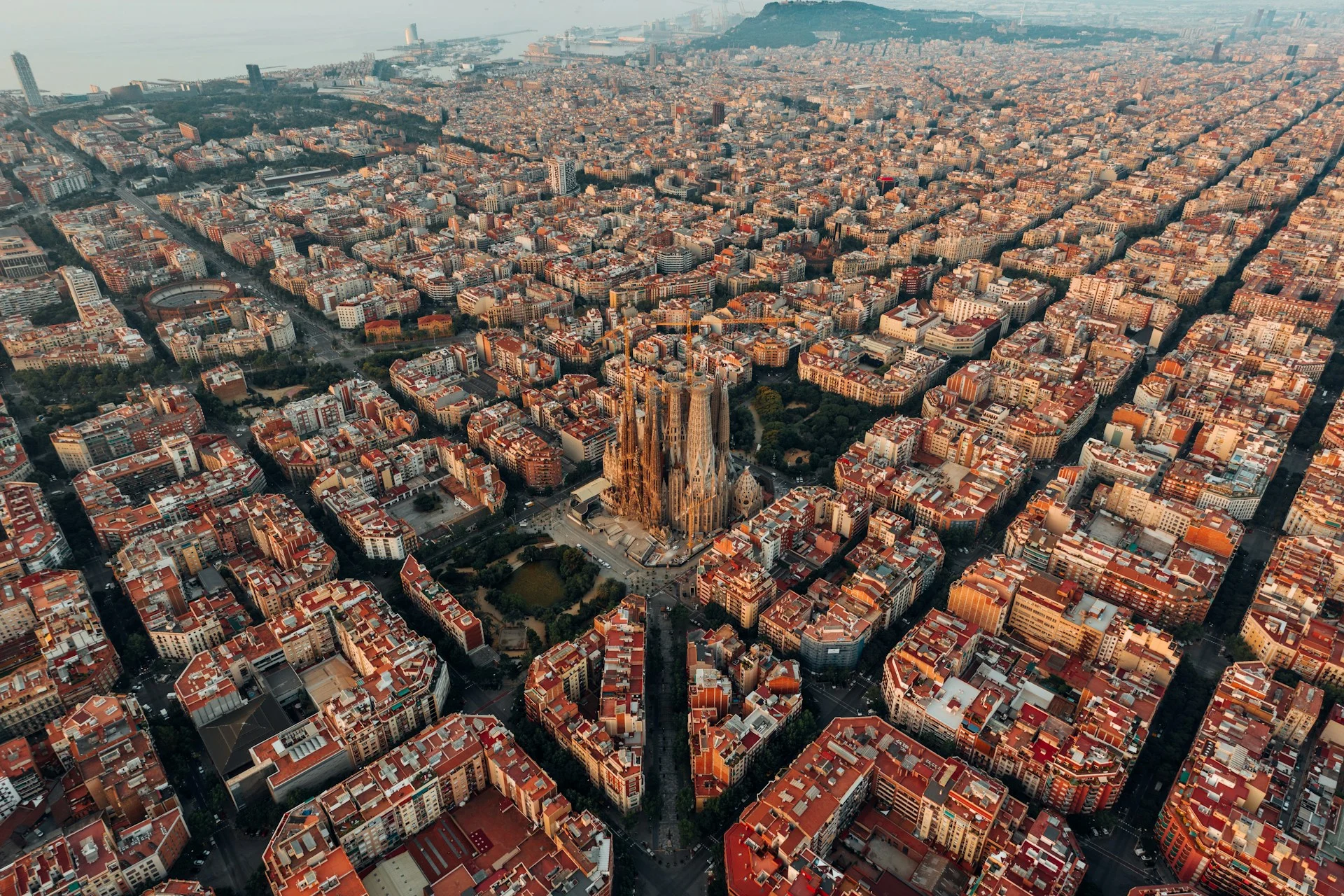
The direct owner segment in Catalonia covers a wide spectrum of homes. In larger cities, apartments dominate central districts. Older staircases with internal courtyards sit next to mid twentieth century blocks and modern mixed use developments. Some units have been fully renovated with insulated windows and efficient systems. Others still show original layouts and basic finishes. Buyers buying homes in these cores accept stairways, shared walls and parking limits in exchange for access to jobs, services and culture.
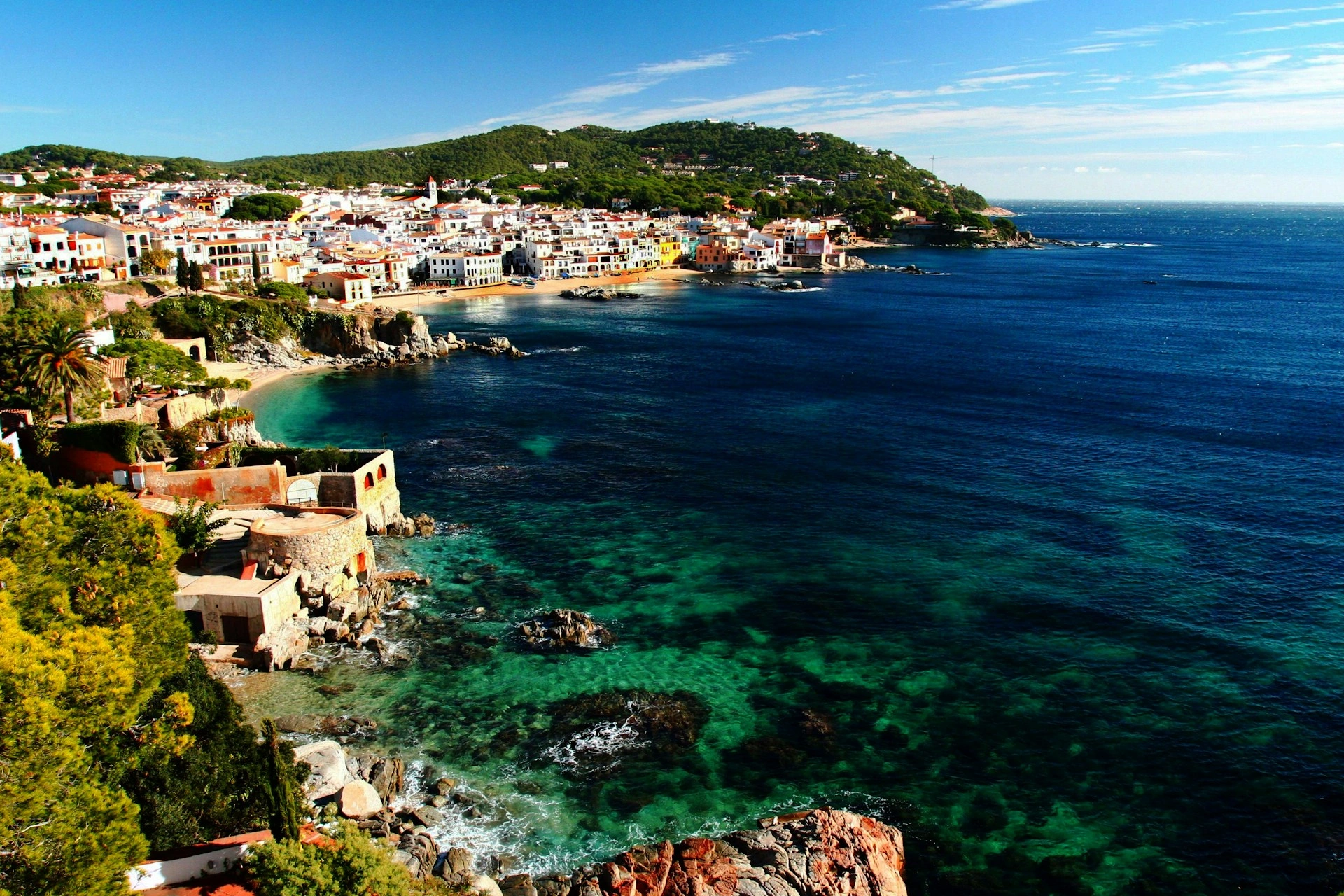
Along coastal belts such as the Costa Brava and Costa Dorada, the picture changes. Seafront promenades and second line streets hold low and mid rise apartment buildings, while hills behind them carry terraced houses and villas. Many buyers searching Catalonia real estate for sale in these zones want some outdoor space and a balance between summer visitors and year round life. Direct owners can explain how buildings behave in August, how wind and humidity feel in winter and how much of the year shops and services stay open.
Inland, around provincial capitals and smaller towns, buyers encounter a mix of village houses, townhouses and detached homes. Some stand in historic centres with narrow streets; others sit in planned suburbs or residential estates. These are the areas where buying houses with gardens, small orchards or larger storage becomes realistic. Owners who sell directly can talk honestly about heating, road quality, noise from industrial zones and how changes in local employment have affected demand. For buyers, this turns each property for sale into a specific scenario rather than just a price and a floor plan.
- City apartments in historic blocks, mid century buildings and newer developments
- Coastal flats near promenades and beaches with seasonal variations in noise and traffic
- Hillside and edge of town houses with terraces, views and mixed access roads
- Village homes and detached properties in plains and valleys with more land per euro
Ownership and legal process for private sales
Buying directly from owners in Catalonia uses the same legal framework that applies to any secondary real estate transaction in Spain. The process does not become informal simply because there is no agent. What changes is who coordinates communication and viewings. Buyer and seller still need professionals to ensure that every part of the deal is correct and documented.
A structured approach starts with information from the land registry. This confirms who owns the property, notes mortgages and other charges and describes how the home is recorded. If the building belongs to a community of owners, the buyer should review statutes, minutes of meetings and certificates that confirm fees are paid and no special charges are pending. These papers matter as much for small flats in cities as for larger apartments in coastal complexes.
Technical inspections are equally important. An independent architect or surveyor checks structure, damp behaviour, roofs, plumbing, electrical systems and compliance between existing works and approved plans. In rural and village properties they also look at boundaries, outbuildings and connections to water and wastewater systems. Even when a property looks freshly renovated, this step shows whether cosmetic improvements sit on top of unresolved problems.
Once checks are complete, the transaction usually follows the familiar sequence of reservation, private purchase contract and final public deed signed before a notary. Taxes and fees must be estimated early; they depend on province, property type and whether the home is new or resale. Buyers using finance need time for valuation and lender approvals. Foreign buyers who come to Catalonia to find property often work with bilingual lawyers or advisors who explain documents in simple language and coordinate with banks and notaries. In a direct sale, this advisory role replaces some of the coordination that an agency might otherwise provide, while negotiation remains a clear conversation with the owner.
Prices and market trends in Catalonia
Price patterns in Catalonia depend strongly on location, building quality and access to transport and services. Prime districts of Barcelona, well known coastal towns and certain suburban belts near strong employment centres often show higher prices per square meter, especially for renovated units with lifts, terraces or good energy performance. Buyers who want to find homes in these pockets must be realistic about budgets and ready to balance size, location and condition.
In secondary belts around major cities and in mid sized towns, headline prices can look more accessible but require careful reading. People buying homes in these areas compare asking figures with community fees, heating and cooling costs, sound insulation and layout flexibility for remote work, guests or children. A quiet street a few minutes from a train station may be more valuable than an address on a main road that is marginally closer to the centre. Owners who supply real utility bills and records of recent works help buyers understand whether a piece of Catalonia real estate for sale is genuinely well priced or likely to require significant extra spending.
In inland plains, mountain valleys and less publicised coastal stretches, buyers may find larger homes at lower headline prices. Here the key questions concern long term demand, local employment, school options and exit plans. Focusing only on cheap figures can be misleading. Serious buyers ask who lives in the area year round, how local economies are changing and how long similar homes take to sell. Direct owners can describe how their own street has evolved, which neighbours are permanent and which are occasional and how many times they have adjusted their price. This information, combined with market data, helps buyers treat each property for sale as one line in a broader life or investment plan.
Popular districts for owner listings
Direct owner listings appear across Catalonia, but habits differ between locations. In older urban districts and many villages, owners still use simple signs on balconies or doors when they decide to sell. A hand painted board can indicate sale by owner homes long before they appear online. Buyers who already know these places often walk their preferred streets regularly, speak with local shopkeepers and watch for small signs that a property is about to come on the market.
In bigger cities and more touristic coastal towns, online platforms dominate. Owners post photos, descriptions and sometimes basic plans, creating a listing fsbo that they manage themselves. Search tools allow buyers to filter Catalonia real estate by town, budget, size and home type. Some portals let users highlight no agent property listings so that they see only homes offered directly by individuals. This system works well for buyers who prefer to ask detailed questions about noise, neighbours and community rules straight from the person who actually lives there.
There are also properties that remain on the market for longer periods. These may be large houses above the coast, homes with unusual layouts or locations between stronger corridors. Many of them are sale by owner homes where the household is not under pressure to move quickly. For patient buyers this slower rhythm can be an advantage. It leaves time to visit at different hours, test school and work routes, compare offers and negotiate calmly around handover dates, minor works and included items.
- Central streets in cities where balcony signs and word of mouth still work
- Coastal resort belts with strong online owner listing culture
- Hillside estates and village clusters where visits and negotiations move slowly
- Industrial and university towns where local demand underpins prices through cycles
Who buys property directly in Catalonia
The direct owner market in Catalonia brings together several recurring buyer profiles. Local households move within the same town or between nearby cities as their family or work situations change. They sell smaller flats and find homes with more rooms, storage or outdoor space. Their knowledge of micro locations is strong, and they use meetings with owners to confirm impressions about noise, safety and building management before they commit.
Domestic buyers from other parts of Spain look at Catalonia when they want a region with both strong employment in cities and access to coast or mountains. Some relocate for work in technology, logistics, universities or healthcare. Others seek a second home that may become a primary residence later. They usually start online to find property in target corridors, then visit to walk streets and talk to owners. For them, clear explanations about commute times, climate and local services are more valuable than generic slogans about lifestyle.
International buyers add another layer. Some are remote professionals who value transport links and coworking spaces. Others are retirees or families with long connections to the region through study or tourism. They often scan Catalonia real estate for sale from abroad, shortlist options using photos and maps and then plan intensive viewing trips. When they focus on no agent property listings they want to hear how a building behaves in different seasons, how neighbours interact and how local rules are applied. With independent legal and technical support, this owner insight becomes a structured part of the decision rather than a casual side conversation.
Examples of direct purchases in Catalonia
One scenario involves a couple relocating to a mid sized Catalan city for work in a hospital and a logistics company. They need good public transport, realistic commute times and a quiet evening environment. Online tools help them find homes near a rail line and filter results for sale by owner homes. A clear listing fsbo with honest notes about traffic, community fees and upcoming works stands out. After a technical inspection and visits at different hours, they choose that apartment because they understand its running costs and neighbour dynamics better than competing options.
Another example is a family moving from a compact flat near Barcelona to a house in a smaller coastal town. They focus on buying houses with gardens large enough for children and space for remote work. Over several weekends they drive to different towns, visiting multiple properties for sale that are offered directly. In one case the owner shares long term utility bills, explains school routes and describes how the area feels in January and in August. That level of detail helps the family accept a slightly longer commute in exchange for more space and calmer surroundings.
A third case features an investor looking for a modest unit suitable for medium or long stay tenants in a university town. They study Catalonia real estate for sale within walking distance of campus and rail links, then concentrate on no agent property listings where owners can show rental history. When an owner presents several years of realistic rents and occupancy together with clear maintenance records, the investor can link buying homes in that micro market to numbers that reflect real demand instead of relying on averages from other regions.
- Relocating professionals balancing commute times with housing quality
- Families trading city flats for coastal or village houses
- Investors focusing on university or logistics corridors with stable demand
- Remote workers and returnees turning long familiarity into ownership
Frequently asked questions
Is Catalonia suitable only for holidays on the coast, or also for full time living? The region includes major cities, mid sized industrial and university towns, rural areas and resorts. Buyers should evaluate each specific area for employment, services and community rather than treating all of Catalonia as a single market.
How can I start if I want to find homes directly from owners in Catalonia? Many buyers begin online, using filters to find homes within budget and size limits, then focus on no agent property listings or owner contact details. They support this with time on the ground walking streets, reading balcony signs and asking local contacts for information.
Is it risky to buy directly from an owner without an agency? The key is process, not the presence of an agent. Working with an independent lawyer, requesting full documentation, checking the land registry and commissioning technical inspections are essential steps. Direct conversations with owners add context but do not replace formal due diligence.
Can I rely on rentals if I do not live in Catalonia full time? In many cities and some coastal towns there is solid demand, but results vary by micro location and property type. Buyers should ask owners about past rentals, understand local regulations and treat projected income as one factor among several when buying homes or apartments.
Conclusion: Why choose Catalonia for direct property purchases
Catalonia combines diverse landscapes, strong transport links and varied local economies within one region. For buyers who value direct conversations with owners, it offers a way to move beyond simple online searches and to test how particular streets, staircases and districts behave across the year. Each meeting with an owner turns a general interest in real estate into a detailed look at daily life, costs and opportunities.
Direct transactions do not remove the need for professional help. Notaries, lawyers and technical experts remain central for checking titles, structures and regulations. However, when structured due diligence is combined with honest owner insight, buyers gain a clearer picture of risks and potential. Modern tools make it easy to search Catalonia real estate for sale, to find property that matches specific criteria, to find homes near chosen schools or workplaces and to focus on sale by owner homes, listing fsbo entries and other no agent property listings when that approach fits the strategy.
For those willing to invest time in visits, questions and careful checks, buying homes or buying houses directly from owners in Catalonia becomes a disciplined but human process. In that context, transparent property for sale entries, realistic expectations and balanced advice support long term decisions that respect both numbers and the way people actually want to live in this part of Spain.