
Owner real estate offers in Canary IslandsDirect owner offers with updated property details
Popular
cities and regions in Spain


Best offers
in Canary Islands
Real estate from owners in Canary Islands

Atlantic archipelago
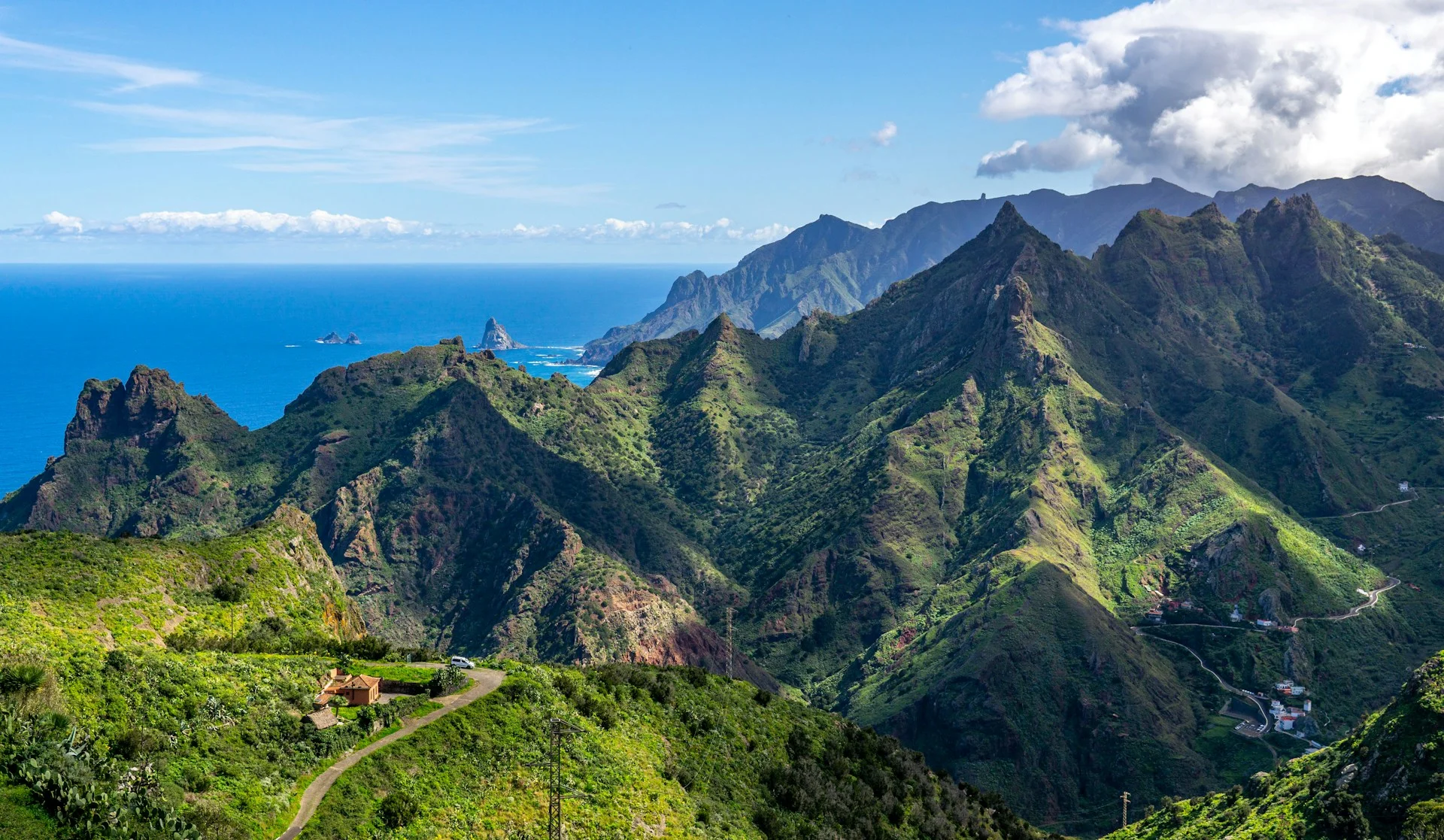
The Canary Islands stretch from busy port cities to quieter coastal towns and volcanic villages. Speaking directly with owners helps you understand wind, flights, tourism and services before choosing real estate that matches year round island routines.
Owner insight
Owners across the Canary Islands who sell without agencies explain licences, community fees, reforms and neighbour habits clearly. That transparency shows which property for sale hides future works and which homes genuinely fit your budget, comfort level and plans.
Tourism and rentals
Sale by owner homes in the Canary Islands serve hospitality staff, remote workers, local families and second home buyers. Direct talks with owners link buying homes to realistic rental seasons, void periods and long term resale prospects instead of headline prices alone.
Atlantic archipelago
The Canary Islands stretch from busy port cities to quieter coastal towns and volcanic villages. Speaking directly with owners helps you understand wind, flights, tourism and services before choosing real estate that matches year round island routines.
Owner insight
Owners across the Canary Islands who sell without agencies explain licences, community fees, reforms and neighbour habits clearly. That transparency shows which property for sale hides future works and which homes genuinely fit your budget, comfort level and plans.
Tourism and rentals
Sale by owner homes in the Canary Islands serve hospitality staff, remote workers, local families and second home buyers. Direct talks with owners link buying homes to realistic rental seasons, void periods and long term resale prospects instead of headline prices alone.


Useful articles
and recommendations from experts
Direct owner homes across the Canary Islands: what to know
Why the Canary Islands attract direct property buyers
The Canary Islands combine Atlantic climate, strong air links and a mix of cities, resorts and quiet inland villages. People who look at real estate here are rarely satisfied with a postcard view of beaches or volcanic peaks. They want homes that work during high season, low season and the quieter months between. They also need buildings that handle trade winds, humidity, flights, tourism and school terms. Direct conversations with owners help turn maps of ports, ring roads and coastal corridors into a shortlist of specific streets and staircases that support daily life.
Anyone trying to find homes on the islands quickly discovers how different two nearby areas can feel. A flat beside a busy avenue in a port city has a very different rhythm from an apartment above a quiet bay, and both differ again from houses in inland villages. Noise from nightlife, delivery vans, aircraft and festivals changes micro area by micro area. Owners who have lived with these patterns for years can describe them in simple, practical language instead of vague lifestyle slogans. When they offer real estate for sale directly, that knowledge turns each visit into a realistic picture of daily experience rather than a generic advert.
Demand is broad and layered. Local families, port and airport staff, hospitality workers, public sector employees, students, remote professionals and second home buyers all compete for housing. Some buyers want compact city apartments within walking distance of schools and offices. Others focus on buying houses with outdoor space in coastal towns or on quieter islands. For people who prefer to find property through direct owner contact instead of relying only on agencies, the Canary Islands offer many opportunities to compare expectations with what owners say about their buildings, neighbours and running costs.
What types of properties are sold directly in the Canary Islands
The direct owner segment in the Canary Islands covers several distinct types of homes. In main cities and larger towns, apartments dominate. Older staircases near historic centres often have high ceilings, balconies and mixed commercial uses at ground level. Some units have been fully renovated; others still show older tiles, wiring and windows. Buyers buying homes in these cores usually accept more noise, limited parking and seasonal traffic in exchange for character and walkable access to services.
Surrounding belts and newer districts show mid rise blocks with lifts, underground parking and more regular layouts. Many year round residents live in these areas. Here, buyers scan real estate for sale and compare room counts, terrace size, orientation and storage with community fees, heating or cooling systems and age of lifts. When an owner chooses a sale by owner approach, they can explain building rules, refurbishment history and neighbour habits in more detail than a short listing fsbo on a portal.
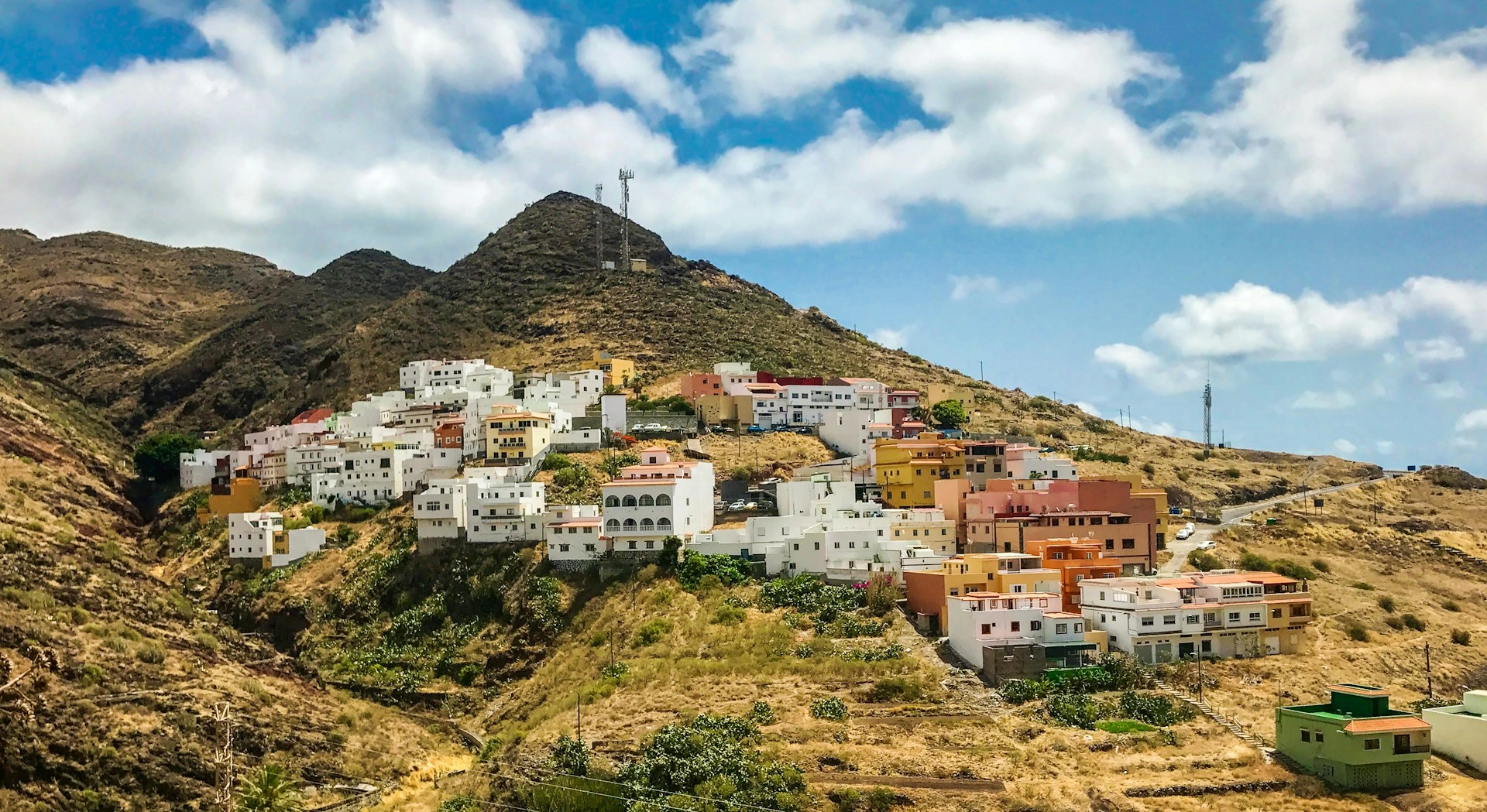
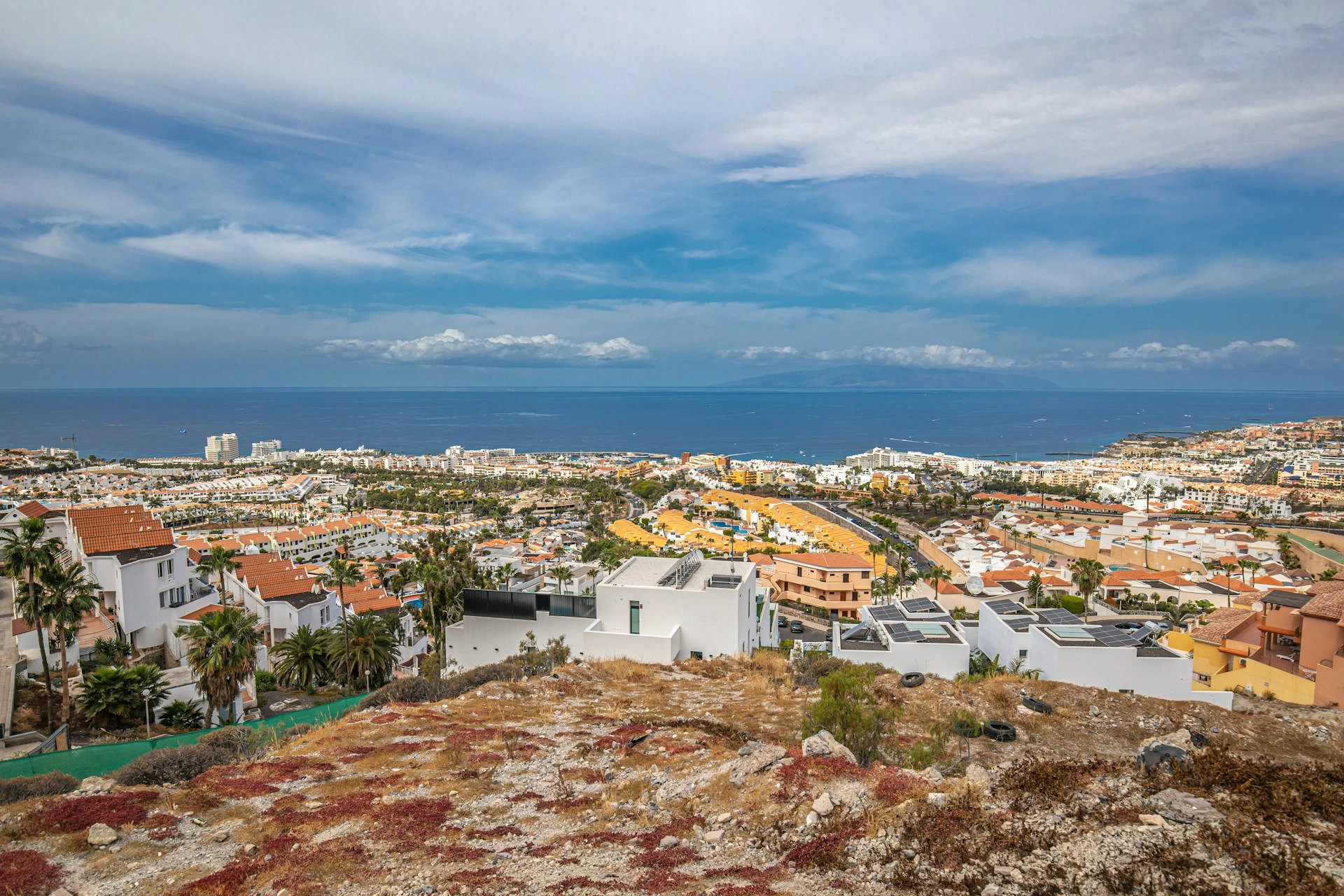
Along the coasts and on smaller islands, townhouses, semi detached homes and detached villas appear. These are the locations where buying houses with gardens, pools or roof terraces becomes realistic. Inland villages add traditional houses and rural properties that appeal to buyers seeking quieter routines. In these settings, questions about road quality, winter rain, wind exposure, distance to healthcare and school options join the usual focus on surface area and price. Direct owners can show how long it really takes to reach ports or airports, how often buses run and how the area feels once tourist crowds leave. Their insight turns every property for sale into a concrete daily scenario instead of a simple line in search results.
- City centre apartments above commercial streets and plazas
- Semi central blocks with lifts, garages and long term residents
- Coastal townhouses and villas near beaches and promenades
- Village houses and rural homes in quieter interiors across different islands
Ownership and legal process for private sales
Buying directly from owners in the Canary Islands follows the same Spanish legal framework that applies to any secondary transaction. The process does not become informal simply because there is no agency. Buyer and seller still need independent professionals to review titles, structures and documentation. A clear sequence turns an initial conversation into a secure completion instead of a risky shortcut.
The first step is to confirm ownership and existing charges at the land registry. This record shows who owns the property, lists mortgages or other burdens and describes how the home is registered. If the building belongs to a community, the buyer should obtain rules, recent meeting minutes and a certificate showing that fees are current and whether any major works have been approved. These checks matter for compact city flats and for large coastal villas alike.
Technical due diligence is equally important. An independent architect or engineer examines structure, roofs, facades, plumbing, electrical systems and the match between approved plans and physical reality. On the islands, particular attention is given to damp, ventilation, salt exposure, external insulation and any enclosed terraces or extensions. Even when a home looks newly renovated, an inspection may reveal hidden moisture, overloaded circuits or changes that do not appear in permits. For many buyers, this is the moment when a promising entry in no agent property listings becomes a fully understood long term commitment or leaves the shortlist.
Once checks are complete, the transaction normally passes through a reservation, a private purchase contract and a final deed signed before a notary. Taxes, notary fees and registry costs must be built into the budget from the beginning. Buyers using finance need time for valuation and bank approvals. Foreign buyers who come to find a property in the Canary Islands often work with bilingual lawyers who explain each step clearly and coordinate timing with banks and notaries. In a direct sale, this advisory team replaces much of the coordination that an agency would usually provide, while negotiation remains a straightforward exchange between buyer and owner.
Prices and market trends in the Canary Islands
Prices across the Canary Islands reflect differences between islands, micro locations and levels of tourism. Port cities, established coastal resorts and the most in demand neighbourhoods often show higher prices per square metre, especially for renovated homes with lifts, good light, terraces or views. Buyers who want to find homes in these pockets need realistic budgets and clear priorities about what matters most: noise profile, outside space, ease of access or year round services.
In many semi central belts and family districts, headline prices appear more balanced but still require analysis. People buying homes in these zones compare asking figures with community fees, running costs, age of lifts or boilers and future works to roofs or facades. A calm side street five minutes from a tram or bus stop can be more comfortable than a noisier avenue that seems closer on the map. Direct owners who share utility bills and building decision records help buyers judge whether particular Canary Islands real estate for sale is genuinely well priced or likely to need extra investment soon after purchase.
Quieter islands, rural belts and inland villages sometimes offer more space for the same budget. Here, the main questions concern car dependency, winter road conditions, access to doctors and schools, and long term resale prospects. It is easy to focus only on plot size or pool design while underestimating travel times or the impact of wind in exposed locations. Owners can describe how their routines change between months, how long it takes to reach main centres and how quickly similar property for sale tends to move. This context allows buyers to treat each purchase as part of a wider life plan instead of a reaction to a low headline price.
Popular districts for owner listings
Sale by owner homes appear across the Canary Islands, but patterns vary between islands and towns. In some older streets, owners still place balcony boards or simple gate signs when they decide to sell. A small notice with a phone number can reveal opportunities long before any portal advert. Buyers who already know particular neighbourhoods often walk them regularly, watching for new signs, freshly painted doors or small changes that signal preparation for viewings.
In most areas, digital tools dominate. Owners upload photos and descriptions and manage their own listing fsbo entries on large portals or local platforms. Search filters make it easy for buyers to scan real estate for sale by island, municipality, budget and home type. Many users refine results to show sale by owner homes so that conversations about noise, humidity, rules and daily life begin directly with the resident. For people who like to find property and negotiate without intermediaries, this combination of online search and in person visits feels natural.
Some homes stay on the market for longer periods. These may be large villas needing deep reforms, apartments in buildings without lifts, or houses in micro locations that fewer buyers know. Many such offers are handled as private sales. For patient buyers, that slower rhythm can be an advantage. It leaves time to visit at different hours, test routes to beaches, ports and workplaces, compare several options and negotiate calmly about price, completion dates and agreed works on each piece of real estate for sale.
- Central staircases where balcony boards appear before digital adverts
- Coastal corridors with a mix of agency and sale by owner homes
- Inland villages where owners still rely on personal networks and simple signs
- Rural belts and smaller islands where private negotiation is common
Who buys property directly in the Canary Islands
The direct owner market in the Canary Islands brings together several buyer profiles. Local households move within their island as family size, income and work locations change. They sell smaller central flats and try to find homes with more rooms, storage or outdoor space in other districts. Their detailed knowledge of micro locations makes meetings with owners a key way to confirm impressions about wind, sun, traffic and community rules before committing.
Domestic buyers from mainland regions relocate for hospitality management, healthcare, teaching, remote work or a change of lifestyle. While still based elsewhere they browse real estate for sale, shortlist properties that match their budget and then plan viewing trips around flights. For many of them, practical explanations from owners about high season crowds, off season quiet and real energy costs are more valuable than polished marketing. Direct talks also make it easier to align expectations about completion dates, licences and furniture.
International buyers add another layer. Some are second home owners who already know the islands; others are relocators planning to spend most of the year in one or two locations. They usually start online, trying to find a property that matches specific criteria for size, access, climate and privacy. When they focus on sale by owner homes and other no agent property listings, they want to hear how buildings behave across seasons, what kind of neighbours live nearby and how communities apply rules on tourist rentals. With independent legal and technical advice, owner insight becomes a structured part of decision making rather than casual conversation.
Examples of direct purchases in the Canary Islands
One scenario involves a couple renting a flat in a port city who want to buy their first home. They need sound insulation, lift access and realistic commute times to two different workplaces. After weeks of broad searches they decide to focus on sale by owner homes. One owner provides several years of utility bills, details of recent roof works and information about future community decisions. A technical report confirms the structure, and the couple choose that apartment because numbers and daily experience line up.
Another example is a family moving from a compact coastal apartment to a house in a quieter inland town. They focus on buying houses with outdoor space, storage and safe routes to school. Over several weekends they drive usual school and work routes and visit properties for sale that owners show themselves. One seller explains neighbour dynamics, water supply, heating behaviour and how the area feels during winter rain and summer heat. That clarity helps the family accept a slightly longer drive in exchange for calmer nights and more rooms.
A third case features an investor looking for a modest unit aimed at long stay tenants such as healthcare staff, teachers or remote workers. They review real estate for sale near hospitals, business parks and universities and pay particular attention to each listing fsbo where owners can show rental history. Seeing realistic rents, vacancy periods and maintenance records allows the investor to connect buying homes in that micro market to grounded expectations instead of broad averages. Because negotiations run directly with owners, they can also agree on small improvements that will make it easier to find homes for reliable tenants.
- Couples trading rent for ownership in well connected city districts
- Families stepping from resort flats into inland houses with gardens
- Investors targeting corridors with stable long stay tenant demand
- Remote workers turning repeated visits into a permanent island base
Frequently asked questions
Are the Canary Islands suitable only for resort apartments, or are inland towns practical too? Both options exist. Coastal zones offer beaches and nightlife, while inland towns and villages provide more space and quieter evenings. Buyers should visit in different seasons before choosing between these options.
How can I start if I want to find homes directly from owners in the Canary Islands? Most buyers begin online, using filters to find homes within budget and size limits, then concentrating on sale by owner homes or adverts that show owner contact details. Walking preferred streets and villages adds extra chances to find homes not yet widely advertised.
Is it risky to buy directly from an owner instead of using an agency? Risk depends on process, not on whether an agent is present. Working with an independent lawyer, checking the land registry, requesting full documentation and commissioning a technical inspection are essential steps for any purchase, including direct deals with owners and no agent property listings.
Can I rely on rentals if I do not live in the Canary Islands full time? There is demand from workers and long stay visitors in many areas, but results vary by island, micro location and regulation. Buyers should ask owners about past rentals, understand local rules and treat projected income as one factor among several when buying homes for investment.
Conclusion: Why choose the Canary Islands for direct property purchases
The Canary Islands combine port cities, resorts and quieter interiors in a way that can support many different lifestyles. For buyers who value direct conversations with owners, the archipelago offers a route beyond generic real estate lists. They can visit staircases, streets and villages, compare what they see with what owners say and decide whether particular homes truly fit their plans.
Direct transactions do not replace professional support. Lawyers, notaries and technical experts remain central for checking titles, structures and regulations. However, when structured due diligence is combined with honest owner insight, buyers gain a clearer picture of both risks and opportunities. Modern tools make it easy to find homes that match precise criteria, to find property close to schools, ports or workplaces and to focus on sale by owner homes, listing fsbo entries and other no agent property listings when that strategy suits their goals. For those willing to invest time in visits, questions and careful checks, buying homes or buying houses directly from owners in the Canary Islands becomes a disciplined but very human process that supports long term decisions about island living.