
Real estate options in SpainDirect owner listings with transparent details




Best offers
in Spain
Real estate from owners in Spain

Coastal city mix
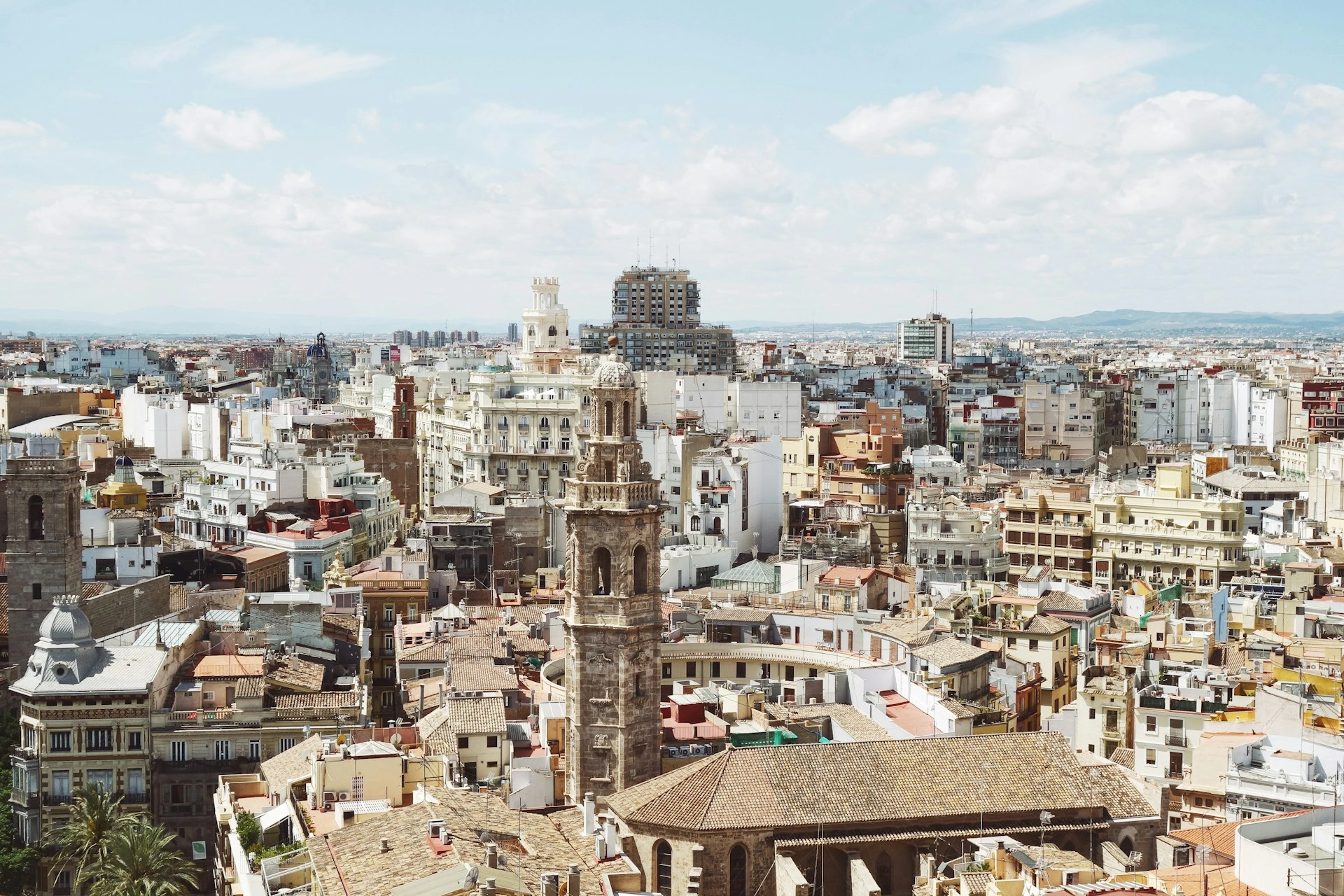
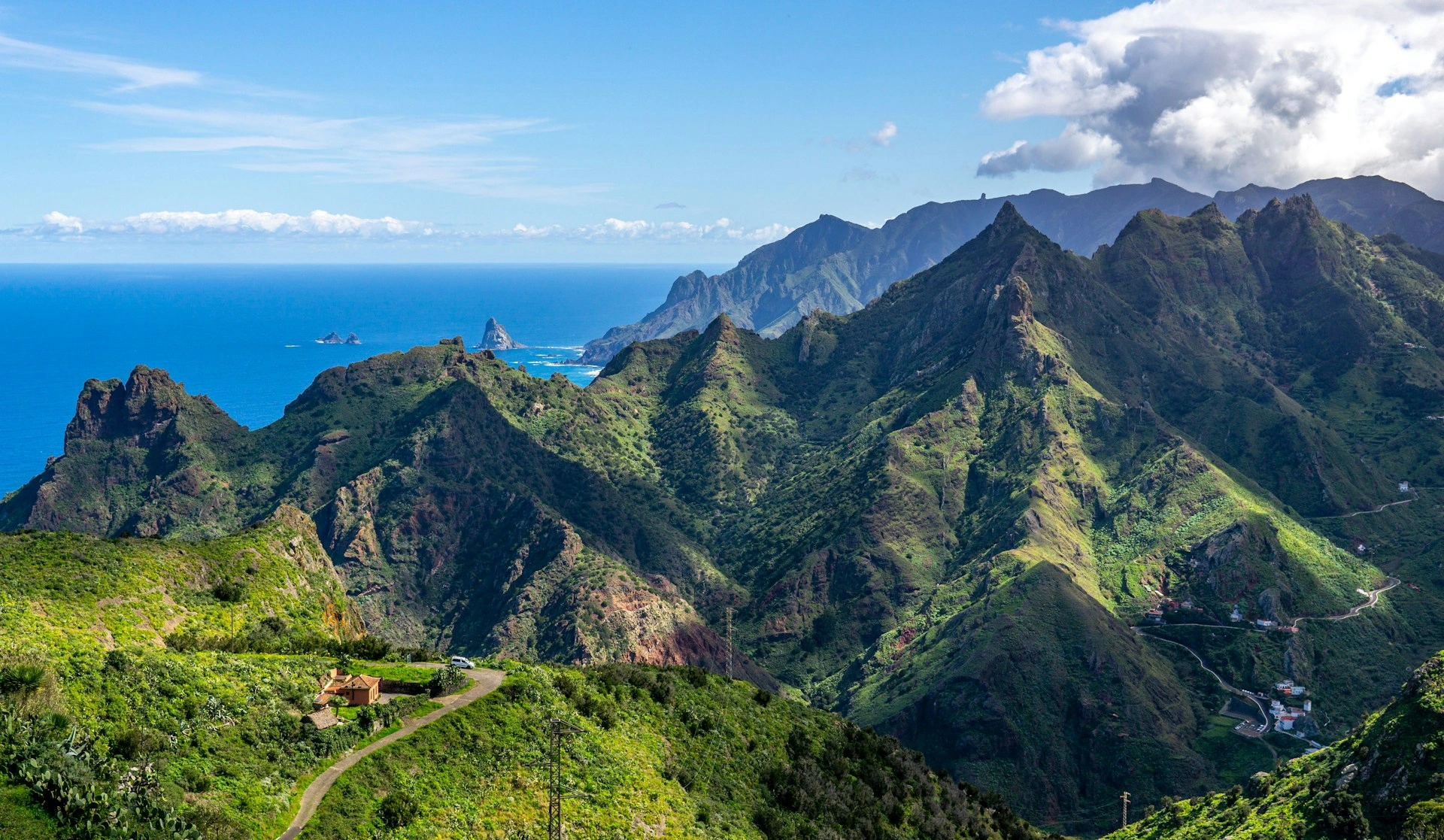
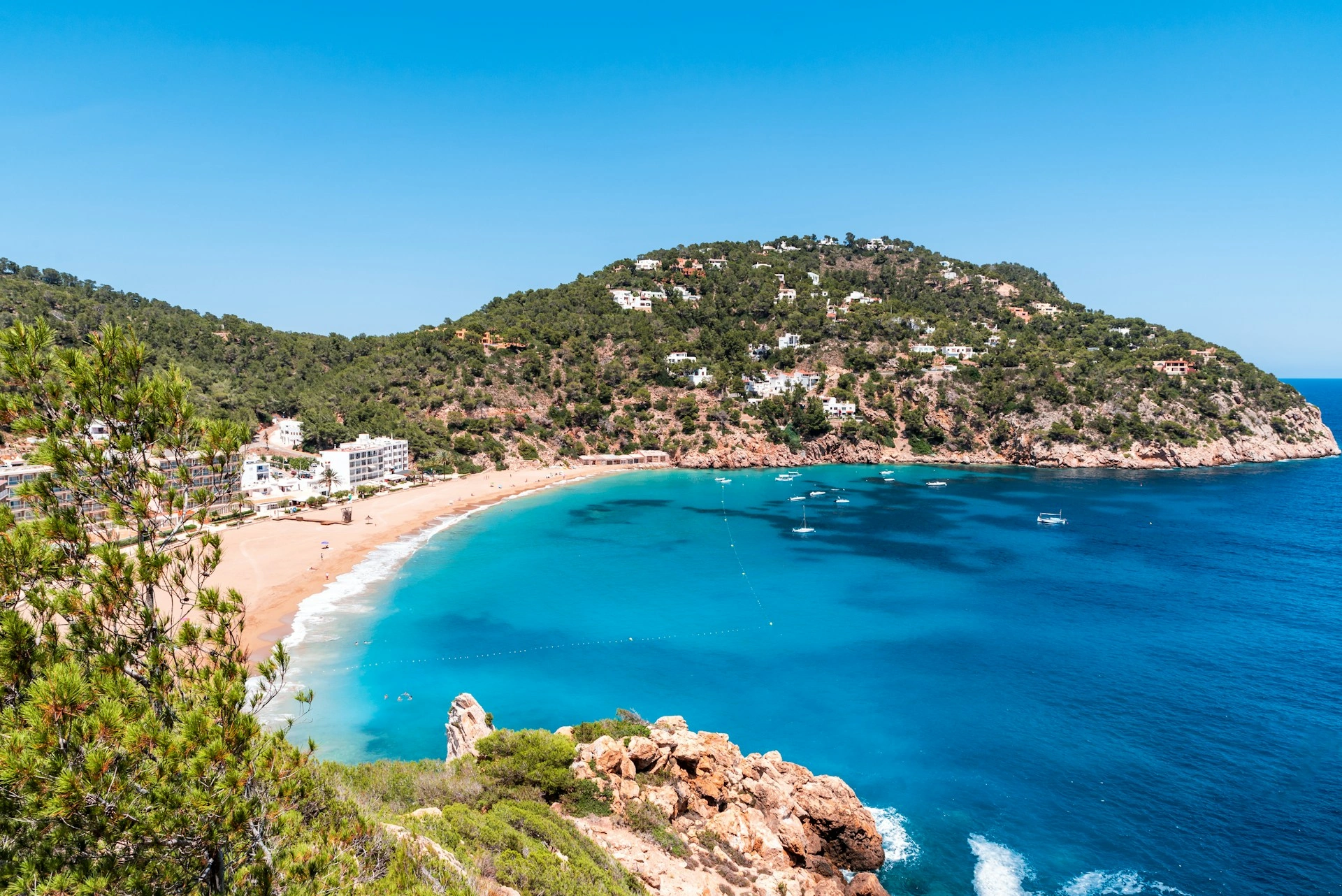
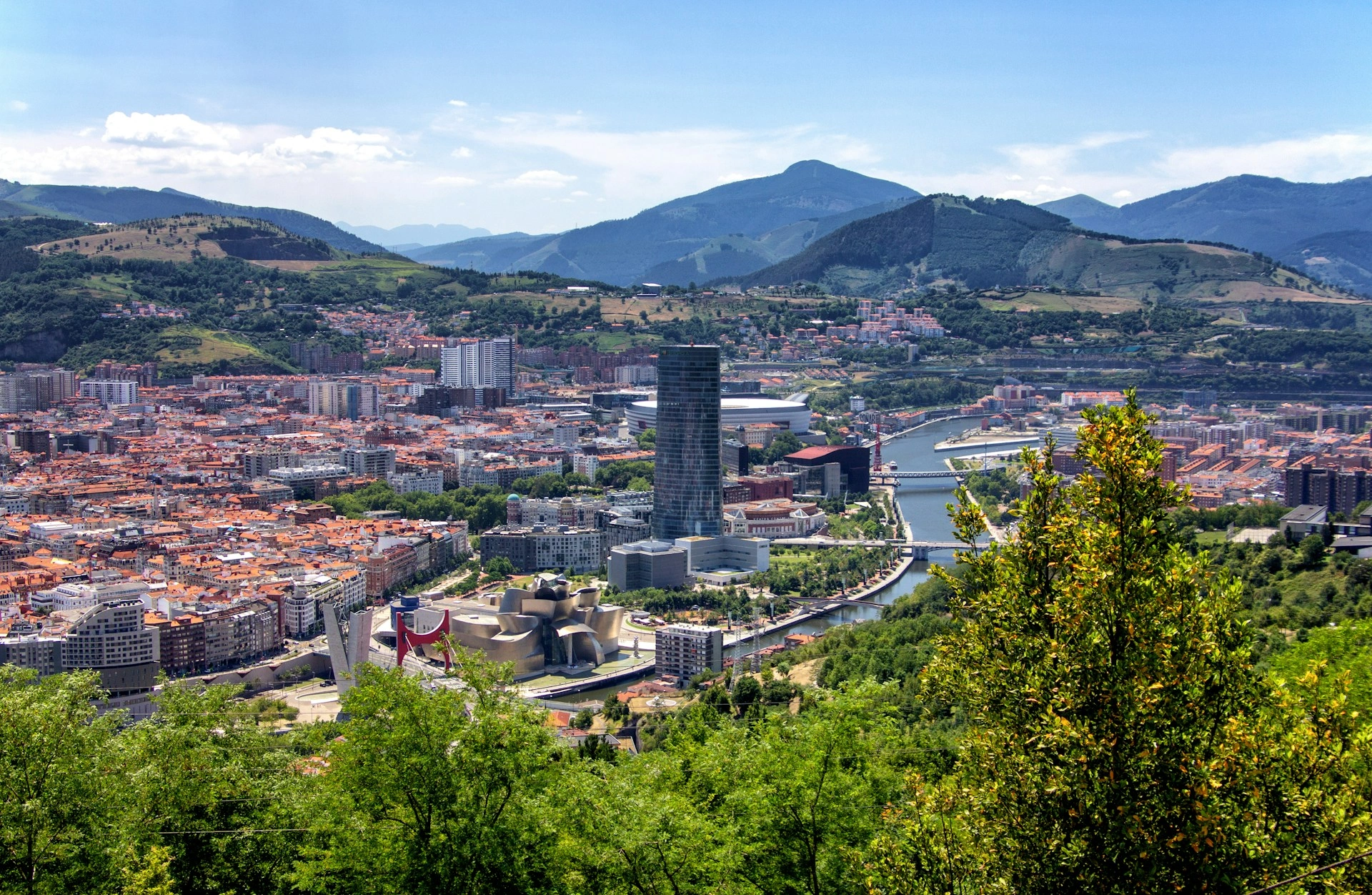
Spain combines major cities, coastal resorts, and quieter inland towns. Buying directly from owners lets buyers test everyday routes, services, and microclimate in each area before committing capital to secondary real estate that must work year round.
Owner guided clarity
Owners in Spain who sell without agencies usually explain renovation history, community fees, and building rules clearly. Buyers see which homes hide future costs and which really match their budget, comfort level, and expectations for daily life or rentals.
Lifestyle and demand
Sale by owner homes in Spain serve locals, relocators, remote workers, and long stay visitors. Direct talks with owners clarify noise, seasonality, and rental history by neighborhood, helping buyers balance lifestyle plans with realistic income and exit options.
Coastal city mix
Spain combines major cities, coastal resorts, and quieter inland towns. Buying directly from owners lets buyers test everyday routes, services, and microclimate in each area before committing capital to secondary real estate that must work year round.
Owner guided clarity
Owners in Spain who sell without agencies usually explain renovation history, community fees, and building rules clearly. Buyers see which homes hide future costs and which really match their budget, comfort level, and expectations for daily life or rentals.
Lifestyle and demand
Sale by owner homes in Spain serve locals, relocators, remote workers, and long stay visitors. Direct talks with owners clarify noise, seasonality, and rental history by neighborhood, helping buyers balance lifestyle plans with realistic income and exit options.
Property highlights
in Spain, from our specialists
Found: 499
Compact apartment 49 m² in Costa del Azahar, Spain
apartment
49 m2

On request

4

27 820 $
Compact apartment 47 m² in Alicante, Spain
apartment
47 m2
On request
4
47 526 $
Cozy house 104 m² in Murcia, Spain
house
104 m2
On request
6
70 709 $
Compact house 25 m² in Granada, Spain
house
25 m2
On request
2
86 937 $
Magnificent 71 m² apartment in Murcia, Spain
apartment
71 m2
On request
4
86 937 $
Cozy 42 m² apartment in Murcia, Spain
apartment
42 m2
On request
2
111 163 $
Beautiful 71 m² apartment in Murcia, Spain
apartment
71 m2
On request
6
112 438 $
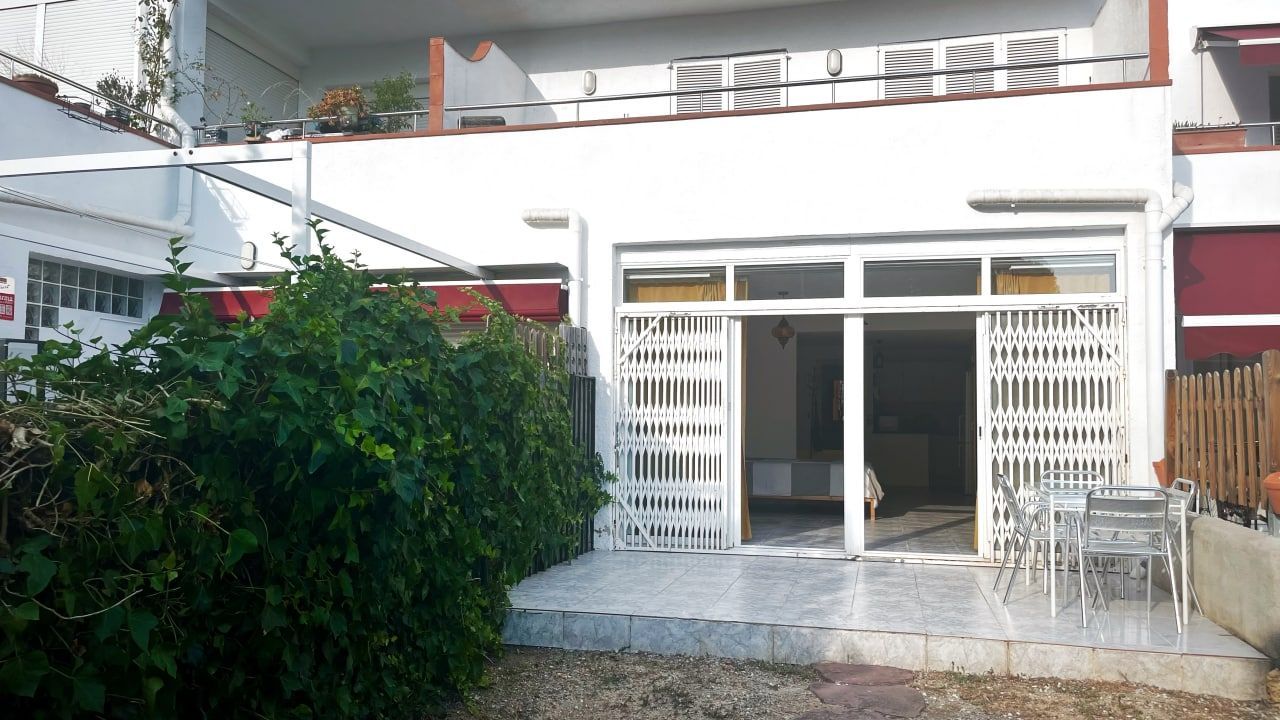
Beautiful apartment 40 m2 surrounded by pine forest
40 m2
On request
1
114 756 $
Modern apartment 78 m² in Zaragoza, Spain
apartment
78 m2
On request
6
118 234 $
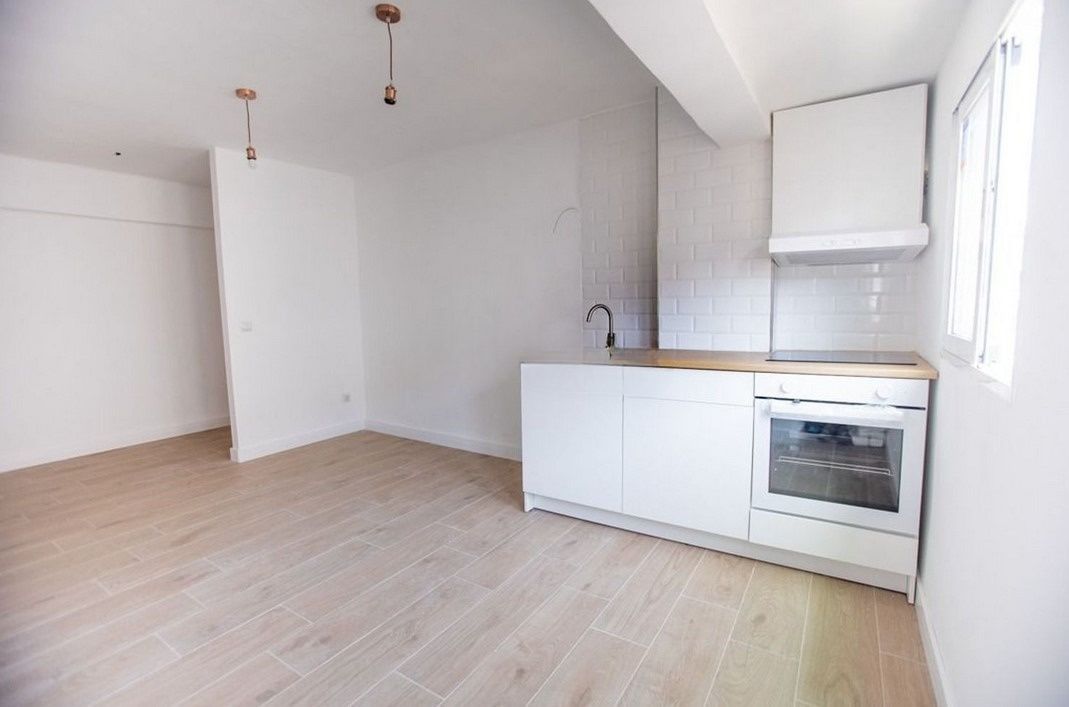
Bright apartment of 57 m2 in a quiet location in Valencia
57 m2
On request
2
119 393 $


Useful articles
and recommendations from experts
Buying property from owners in Spain: what to know
Why Spain attracts direct property buyers
Spain is a large and diverse market where major cities, coastal resorts, islands, and inland provincial towns all coexist under one legal framework. Buyers who look at real estate here rarely think only about postcards and beaches. They want homes that work during summer heat, quieter shoulder seasons, and normal working weeks. Direct conversations with owners help turn maps of Spain into specific streets and buildings that match real routines instead of just appearing as pins on a holiday planning app.
People who come to Spain to find homes tend to ask practical questions early. They want to know how noisy a street becomes on weekend nights, how community pools are managed, what winter humidity feels like on ground floors, and how schools, public transport, and healthcare actually function around a given address. Owners who have lived for years in the same home can answer these questions in concrete detail. When they decide to sell without an agency, they bring lived experience into each visit, which is more useful than generic marketing phrases about atmosphere or lifestyle.
Demand is layered. Local households, relocators from other parts of Spain, buyers from the rest of Europe, remote workers, and long stay visitors all compete for space in different regions. Some want compact city apartments near metro lines, others seek family houses in suburbs, golf developments, or coastal belts. This mix keeps Spain real estate active through different economic cycles. For buyers who prefer direct owner contact, it creates opportunities to find property that balances climate, access, and long term liquidity rather than relying only on first impressions from a short trip.
What types of properties are sold directly in Spain
The direct owner segment in Spain covers a broad spectrum of homes. In large cities such as Madrid, Barcelona, Valencia, and Seville, apartments dominate the central districts. Many units sit in mid or high rise blocks with shared entrances, lifts, and community rules. Some flats have been fully renovated with modern systems and energy efficient windows, while others still show original finishes and layouts. Buyers buying homes in these cores accept stairs, shared walls, and limited parking in exchange for walkable access to workplaces, culture, and services.
In coastal regions like the Costa del Sol, Costa Blanca, and Costa Brava, the mix changes. Apartments in low and mid rise developments line seafronts and promenades, while terraced houses and villas spread across hills and golf estates behind them. Many buyers looking at property for sale in these zones want outdoor space, pools, and views, but must also consider exposure to sun, wind, and seasonal tourism. Direct owners can explain in simple language how a property behaves in August, November, and March, not just during a carefully chosen viewing day.
Inland, around smaller cities and provincial towns, buyers encounter traditional village houses with courtyards, modern single family homes, and compact apartment blocks. These areas may offer larger homes at lower prices per square meter, but employment patterns, transport links, and long term demand need careful analysis. Owners who sell directly usually talk honestly about why they are moving, how long homes have stayed on the market nearby, and how services have evolved. Their insight helps buyers compare each piece of Spain real estate for sale with realistic expectations about future use and resale.
- City center apartments in dense urban districts with strong public transport
- Coastal developments with shared pools, gardens, and holiday infrastructure
- Suburban and exurban family houses with private outdoor space
- Traditional village homes and townhouses in inland provinces
Ownership and legal process for private sales
Buying directly from owners in Spain uses the same legal framework that applies to agency mediated transactions. What changes is who coordinates communication and marketing, not the underlying rules. Buyer and seller agree on price, timescale, items to remain with the property, and any conditions, then involve professionals to verify that everything is correct. A notary, an independent lawyer, and a technical expert or surveyor form the core of a solid support team.
Before signing any binding document, buyers should obtain a complete set of title information from the land registry and check that the registered owner matches the seller. They also need to review community statutes where applicable, outstanding charges, and any recorded easements or limitations. Technical inspections examine structure, installations, damp, roof condition, and compliance between paperwork and what has actually been built. Even when an apartment or house looks freshly renovated, these checks are essential for understanding whether cosmetic upgrades sit on top of unresolved issues.
Once due diligence is complete, the legal path usually involves a reservation document, a private purchase contract, and finally the public deed signed before a notary. Taxes and fees must be calculated according to the region and property type. Buyers using finance should allow time for bank valuation and approvals. Foreign buyers often rely on bilingual lawyers or advisors who explain documents, open bank accounts, and obtain tax numbers. In a direct sale, this advisory role replaces some coordination that an agency might otherwise provide, while negotiation itself remains a direct dialogue between buyer and owner.
Prices and market trends in Spain
Prices in Spain vary widely between prime city centers, established coastal areas, growing secondary cities, and smaller inland markets. Central districts in large cities, coastal first lines, and well known islands tend to show higher prices per square meter, especially for renovated homes with outside space. Buyers who want to find homes in these pockets must be realistic about their budgets and prepared to make trade offs on size, exact location, or condition to secure the combination of address and features they care about most.
Secondary belts in cities and coastal regions often offer better value for money in exchange for slightly longer walks or drives. In these zones, people buying homes look closely at transport options, community fees, noise levels, and layout flexibility for remote work or multi generational living. A quieter street with good light, a rational floor plan, and stable neighbors can be more attractive than a marginally closer but less comfortable address. Direct owners who share actual monthly costs and records of recent works allow buyers to see which homes are fairly priced and which might require immediate extra spending.
In inland towns and lesser known coastal stretches, buyers may find larger properties at lower headline prices. Here, the key questions relate to long term demand, local employment, and exit options. It can be tempting to focus purely on cheap property for sale, but serious buyers ask how easy it will be to resell, who lives in the area year round, and what infrastructure is planned. Conversations with owners, supported by independent research, help filter short term bargains from sustainable choices that will still fit life and market conditions years later.
Popular regions for owner listings
Direct owner listings can be found all over Spain, but patterns vary between cities, islands, and coastal stretches. In some older neighborhoods, particularly in smaller towns, owners still prefer simple ""for sale"" signs on balconies, handwritten adverts, or local press over large portals. Buyers who know these areas often walk the streets, speak to shopkeepers, and look for subtle signals that a building may have an apartment quietly available through a family network.
In many urban and coastal markets, however, online platforms dominate. Owners upload photos, descriptions, and sometimes basic plans, creating a listing fsbo that they manage themselves. Search filters allow buyers to see only particular price ranges, areas, or property types and, on some sites, to focus on homes offered directly by individuals rather than agencies. People scanning Spain real estate online often use these tools to find property that they can discuss directly with the owner, which speeds up answers about bills, community issues, and daily life.
Some sale by owner homes remain on the market for longer periods. These may be larger family houses, properties with unusual layouts, or homes in micro locations less visible to tourists. Owners are often not in a rush to sell and may accept a slower rhythm of viewings and negotiation. For patient buyers, such situations can be favorable. They allow time to visit at different hours, speak to neighbors, and gradually refine terms for handover, minor works, and included items instead of negotiating under pressure in a crowded open viewing.
- Major cities where owner signs and portals coexist
- Coastal belts with heavy online marketing of second homes
- Islands where local word of mouth still plays a role
- Inland towns with quieter but persistent direct sales activity
Who buys property directly in Spain
The direct owner market in Spain brings together several recurring buyer profiles. Local households move within cities and regions as their situations change, selling smaller central apartments and buying homes with more rooms, terraces, or gardens in different neighborhoods. They know micro locations well and use meetings with owners to confirm impressions about noise, parking, and building management before making offers.
Domestic buyers from other parts of the country also play a role. They may relocate for work, education, or family reasons, or seek a second home on the coast or in a smaller city. These buyers often start with portals to find homes that match their budget and criteria, then travel for concentrated viewing trips. For them, clear explanations from owners about commuting realities, school options, and seasonal patterns can be more valuable than polished but generic brochures.
International buyers form another important group. They include remote professionals, retirees, families seeking a different climate, and people with long standing ties to Spain. Many of them are used to searching for real estate for sale online before ever boarding a flight. When they arrive, they often want to walk through a shortlist of sale by owner homes and agency listed options, comparing hard data on costs with softer impressions about daily life. Combining direct owner insight with independent legal and technical checks helps them avoid decisions based only on emotion or short term enthusiasm.
Examples of direct purchases in Spain
One example involves a couple relocating for work to a mid sized Spanish city. They use online tools to find property near their future offices and transport lines and narrow their search to apartments offered directly. A clear listing fsbo with recent photos, honest notes about noise, and scanned utility bills stands out. After several visits and a technical inspection, they choose that property for sale over a slightly cheaper alternative because they understand its costs and building culture better.
Another case features a family moving from a compact city apartment to a house in a nearby coastal town. They focus on buying houses with outdoor space and good year round access, not just holiday appeal. Over several weekends they visit multiple sale by owner homes, driving typical school and work routes and checking traffic at different times. One owner patiently explains maintenance routines, community rules, and how the area feels in winter. This practical detail helps the family see that a slightly longer commute is balanced by space, quiet, and flexible use.
A third scenario shows an investor looking for a small unit suitable for medium or long stay tenants. They scan Spain real estate for sale in districts with stable employment and transport links, paying attention to no agent property listings that include rental history. When an owner is able to show several years of tenancy records and realistic rent levels, the investor can build numbers around buying homes in that micro market instead of relying on generic yield estimates. Direct data from owners becomes part of a structured decision, not a casual side comment.
- Relocating professionals balancing commute times and housing quality
- Families trading central flats for larger coastal or suburban homes
- Investors focusing on stable employment corridors and long stay demand
- Second home buyers aligning climate, travel, and long term exit potential
Frequently asked questions
Is Spain suitable only for holiday homes, or also for full time living? Spain supports both. It has major cities, mid sized regional capitals, and many towns with year round services. Buyers should look closely at employment, schools, and healthcare in each area rather than assuming that every coastal destination behaves like a resort.
How do I start if I want to find homes directly from owners? Most buyers begin online, using filters to find property in regions and price ranges that suit them. Then they combine that shortlist with local networks, signs in streets, and conversations with residents. Direct owner contact works best when supported by independent legal and technical advice, not as a substitute for it.
Is it risky to buy from owners without an agency in Spain? The legal process offers protections, but only if buyers use it properly. Engaging an independent lawyer, requesting full documentation, and commissioning technical checks are essential steps. The fact that a sale is direct does not remove the need for structured due diligence.
Can I rely on rentals if I do not live in Spain full time? In many areas there is strong demand, but results vary by city, neighborhood, and property type. Buyers should ask owners about past rentals, research local regulations, and understand seasonal patterns instead of assuming constant occupancy. A realistic plan matters more than optimistic forecasts.
Conclusion: why choose Spain for direct property purchases
Spain offers a combination of climate, infrastructure, and varied locations that is difficult to replicate. For buyers who value direct conversations with owners, it is a market where they can move beyond marketing slogans and examine how specific staircases, courtyards, and streets support daily life. Each meeting with an owner adds nuance that screenshots and floor plans alone cannot provide.
Direct transactions do not remove the need for professional support. Notaries, lawyers, and technical experts remain central for checking titles, structures, and regulatory compliance. However, when structured due diligence is combined with honest owner insight, buyers gain a much clearer picture of risks and opportunities. Modern tools make it easy to search Spain real estate for sale, to find property and find a property in precise districts, and to focus on sale by owner homes or other no agent property listings where that approach fits the buyer’s style.
For those willing to invest time in visits, questions, and careful checks, buying homes or buying houses directly from owners in Spain becomes a disciplined yet human process. In that context, well documented property for sale entries, transparent no agent property listings, and realistic cooperation between owners and advisors can support durable decisions that respect both numbers and the way people actually want to live.