
Owner real estate in MoscowVerified FSBO listings with full property details
Best offers
in Russia
Real estate from owners in Moscow


Metropolitan scale
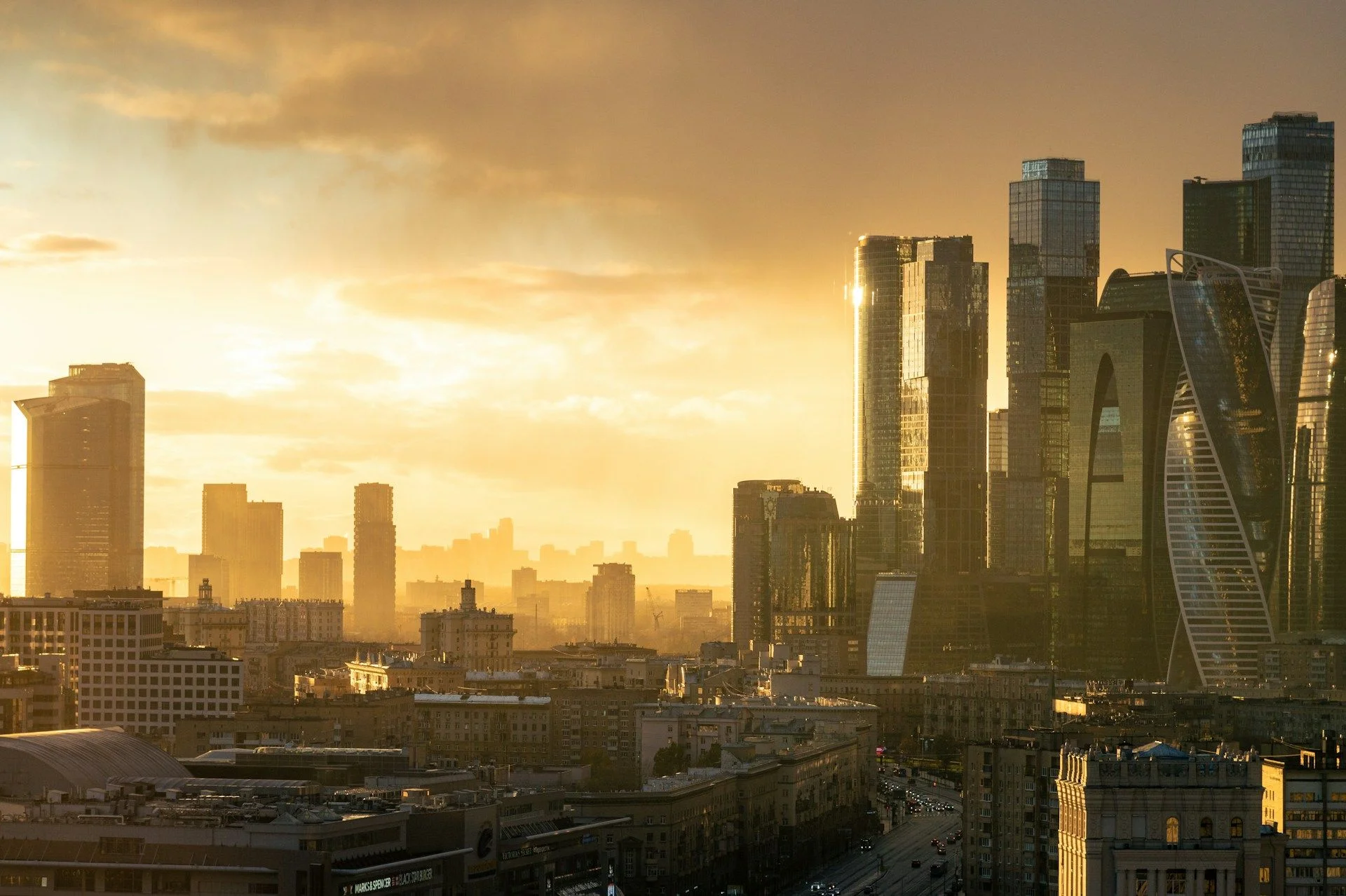
Moscow’s vast residential landscape combines historic buildings, mid-century apartments, and modern complexes, many held by long-term owners. Direct-owner listings often provide extensive renovation history, utility records, and practical insights into daily comfort in a high-density metropolitan environment.
Consistent upkeep
Moscow homeowners usually maintain detailed documentation, including electrical updates, plumbing replacement cycles, and insulation improvements. Buyers gain transparent understanding of structural condition, building management quality, and yearly utility behavior across a climate with cold winters and wide temperature variation.
District diversity
From central boulevards to suburban neighborhoods, Moscow offers diverse direct-owner homes with varied infrastructure, building age, and lifestyle patterns. Buyers can compare noise levels, community rhythm, and long-term maintenance behavior across different districts based on firsthand owner information.
Metropolitan scale
Moscow’s vast residential landscape combines historic buildings, mid-century apartments, and modern complexes, many held by long-term owners. Direct-owner listings often provide extensive renovation history, utility records, and practical insights into daily comfort in a high-density metropolitan environment.
Consistent upkeep
Moscow homeowners usually maintain detailed documentation, including electrical updates, plumbing replacement cycles, and insulation improvements. Buyers gain transparent understanding of structural condition, building management quality, and yearly utility behavior across a climate with cold winters and wide temperature variation.
District diversity
From central boulevards to suburban neighborhoods, Moscow offers diverse direct-owner homes with varied infrastructure, building age, and lifestyle patterns. Buyers can compare noise levels, community rhythm, and long-term maintenance behavior across different districts based on firsthand owner information.








Useful articles
and recommendations from experts
How Moscow’s metropolitan structure and long-term ownership culture shape its direct-owner real estate market
Why Moscow’s residential environment supports direct-owner property purchases
Moscow’s housing market is defined by its scale, architectural diversity, and long-standing ownership traditions that span multiple generations. From central historic buildings to extensive mid-century districts and modern high-rise complexes, the city offers a wide range of direct-owner real estate. Buyers searching for property for sale in Moscow often encounter homes with comprehensive documentation, detailed renovation histories, and realistic insights into daily living conditions. Because many homes remain within the same families for decades, owners are deeply familiar with structural behavior, utility performance, and local infrastructure.
Moscow’s climate, marked by cold winters, transitional seasons, and fluctuating temperatures, requires consistent upkeep. Homeowners frequently track insulation upgrades, heating system improvements, plumbing repairs, and window replacements. Buyers browsing real estate listings in Moscow benefit from these organized records, which help them understand long-term comfort and expected maintenance patterns. The combination of a large urban environment and a culture of detailed documentation makes direct-owner transactions particularly transparent.
The variety of direct-owner homes across Moscow
Because of Moscow’s size and layered development history, direct-owner homes differ significantly across districts. In central areas such as Tverskoy, Khamovniki, Basmanny, and Presnensky, many buildings feature brick construction, high ceilings, and architectural heritage. Buyers wanting to find a property in these districts evaluate heating performance, interior modernization, and the quality of renovation work performed over the years. Owners usually provide full logs of structural reinforcement, electrical rewiring, plumbing updates, and interior finishes adapted to modern standards.
Mid-century districts, including Khoroshyovo-Mnyovniki, Sokolniki, and parts of the South-West Administrative Okrug, offer practical apartments built across the 1950s–1980s. These homes often remain with the same families for long periods, creating reliable sale by owner real estate with predictable utility patterns and well-documented renovation cycles. Buyers browsing housing for sale in these neighborhoods appreciate the realistic maintenance histories typically shared by owners.
Modern high-rise developments, especially in areas such as Moscow City, Kuntsevo, and large residential complexes in the South-East and South-West, provide updated materials, improved insulation, and organized building management. Buyers exploring real estate listings in these districts often prioritize building quality, elevator reliability, and overall infrastructure. Direct-owner listings in modern developments frequently include construction documents and warranty information that help buyers evaluate long-term expenses.
Moscow’s expanding suburban areas, including Novaya Moskva, present detached houses and townhouses designed for families seeking more space. Buyers exploring buying houses in these regions assess heating systems, transportation accessibility, and year-round maintenance behavior. Direct-owner communication provides valuable information about road conditions, seasonal heating costs, and structural durability under winter loads.
Legal clarity and documentation in Moscow’s direct-owner transactions
The legal environment for real estate purchases in Moscow is structured to ensure transparency and secure ownership transfers. Buyers begin by reviewing the ownership certificate and cadastral records to confirm legal rights and boundary accuracy. This step is essential in both historic buildings and modern complexes to ensure that no outstanding claims, shared ownership complications, or legal disputes exist.
Technical passports, renovation permits, utility clearance statements, and building management reports form the core documentation package provided by direct owners. Buyers examining property for sale in Moscow often review these documents to understand how regularly the property was updated, whether major systems were modernized, and how building-wide maintenance is handled.
Once terms are agreed, both parties sign a purchase contract, which is notarized and followed by an official title transfer. Because Moscow homeowners often maintain complete documentation, the transaction process tends to be predictable and efficient. Buyers exploring buying homes directly from owners value the stability and clarity this provides.
How district dynamics influence pricing across Moscow
Moscow exhibits strong pricing variation due to its size, infrastructure density, employment distribution, and building age. Central districts generally maintain higher pricing because they combine historical architecture, cultural importance, and proximity to employment hubs. Buyers browsing housing for sale in these areas evaluate renovation depth, window efficiency, and building management quality to understand long-term comfort in older structures.
Mid-century districts offer more moderate pricing with consistent structural reliability. Buyers searching for property for sale in these zones weigh factors such as insulation quality, plumbing condition, and interior modernization levels. Owners typically provide detailed information on major updates, especially in buildings where original systems have been replaced gradually over many years.
New developments across large residential zones display pricing influenced by construction technology, community amenities, and transportation access. Buyers browsing real estate listings in these areas commonly assess insulation performance, ventilation systems, elevator capacity, and building management fees. Direct-owner homes here often include clear energy consumption records, which help buyers estimate long-term utility costs.
Suburban homes in regions such as Novaya Moskva or settlements beyond the MKAD demonstrate pricing shaped by lot size, heating type, and road accessibility. Buyers exploring by owner houses for sale in these suburban districts consider winter heating expenses, snow load on roofs, and practical access to public transportation. Owners frequently provide long-term maintenance notes essential for evaluating year-round comfort.
Where direct-owner listings are most common in Moscow
- Central historic districts: Brick buildings with long ownership history and detailed renovation logs.
- Mid-century zones: Practical apartments with clear maintenance documentation.
- New developments: Modern complexes with improved infrastructure and contemporary layouts.
- Suburban districts: Detached homes and townhouses with land and thorough upkeep records.
- Expanding areas: Newly built residential communities with structured building management.
Who buys direct-owner homes in Moscow
Moscow attracts a wide range of buyers shaped by its role as a financial, cultural, and administrative center. Families often search for apartments with predictable maintenance and access to strong schools. Young professionals prioritize proximity to metro stations, major business districts, and modern building management. Buyers seeking privacy or outdoor space explore suburban districts offering detached homes.
Investors also browse real estate listings, though the market is led primarily by end-user demand rather than speculative spikes. Many investors prefer well-maintained properties with complete documentation, reliable building management, and stable rental potential. Direct-owner listings offer clear, firsthand insight into renovation history, community behavior, and utility performance essential for long-term value assessment.
Examples of direct-owner purchases in Moscow
Central brick apartment: A buyer secured a renovated home with restoration logs and updated engineering systems.
Mid-century residence: A family purchased a long-held apartment with thorough insulation and plumbing updates.
Modern high-rise unit: A professional acquired a new-build apartment with complete construction documents and maintenance reports.
Suburban house: A couple obtained a detached home with heating system logs and seasonal upkeep history.
Frequently asked questions
Are direct-owner homes reliable in Moscow? Yes. Most include detailed records and consistent maintenance history.
Do direct-owner listings offer better pricing? Often yes, due to realistic market expectations and no commission fees.
Can non-local buyers purchase directly? Yes. The legal process is structured and transparent.
What documents should buyers review? Ownership certificates, technical passports, renovation approvals, utility statements, and management reports.
How long does the process take? Usually two to three weeks with complete documentation.
Conclusion: Why Moscow offers strong potential for direct-owner real estate purchases
Moscow’s mix of architectural depth, long-term ownership culture, extensive documentation, and district-level variety creates a solid environment for buying homes directly from owners. Whether browsing housing for sale in central historic zones, exploring real estate listings in modern developments, or evaluating by owner houses for sale in suburban districts, buyers benefit from transparency, stability, and practical insights into everyday living.
Moscow remains one of the strongest markets for direct-owner real estate due to its reliable documentation, well-developed infrastructure, and diverse housing options adapted to the demands of a major metropolitan environment.