
FSBO homes in RotterdamVerified owner homes with full listing details
Best offers
in Netherlands
Real estate from owners in Rotterdam

Price contrast
Rotterdam owners show how prices differ between canal side apartments in Delfshaven, renovated homes in Kralingen, new builds in Kop van Zuid and family streets in Hillegersberg when absence of buyer commission keeps budgets focused.
Condition clarity
Owners in Kralingen, Delfshaven, Kop van Zuid and Hillegersberg describe room use, storage and regular upkeep, giving buyers an early sense of overall condition before they decide which points deserve closer attention from professionals.
Area knowledge
Residents selling directly talk about cycling between the center and Noordereiland, school runs in Hillegersberg and errands in Zuid, so buyers connect sale by owner homes with daily routes across the river and inner districts.
Price contrast
Rotterdam owners show how prices differ between canal side apartments in Delfshaven, renovated homes in Kralingen, new builds in Kop van Zuid and family streets in Hillegersberg when absence of buyer commission keeps budgets focused.
Condition clarity
Owners in Kralingen, Delfshaven, Kop van Zuid and Hillegersberg describe room use, storage and regular upkeep, giving buyers an early sense of overall condition before they decide which points deserve closer attention from professionals.
Area knowledge
Residents selling directly talk about cycling between the center and Noordereiland, school runs in Hillegersberg and errands in Zuid, so buyers connect sale by owner homes with daily routes across the river and inner districts.
Property highlights
in Netherlands, from our specialists
Found: 243
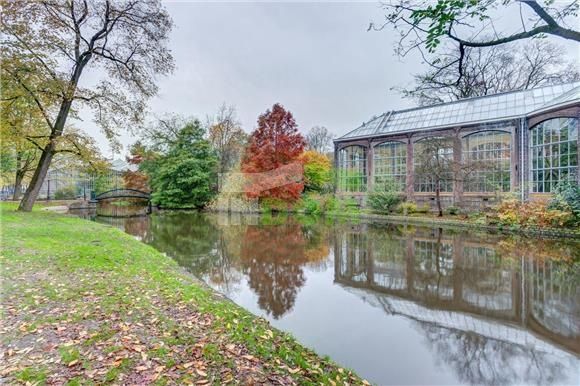
One bedroom apartment in the center of Amsterdam near Waterloo Square, Netherlands
40 m2

On request

2

402 457 $
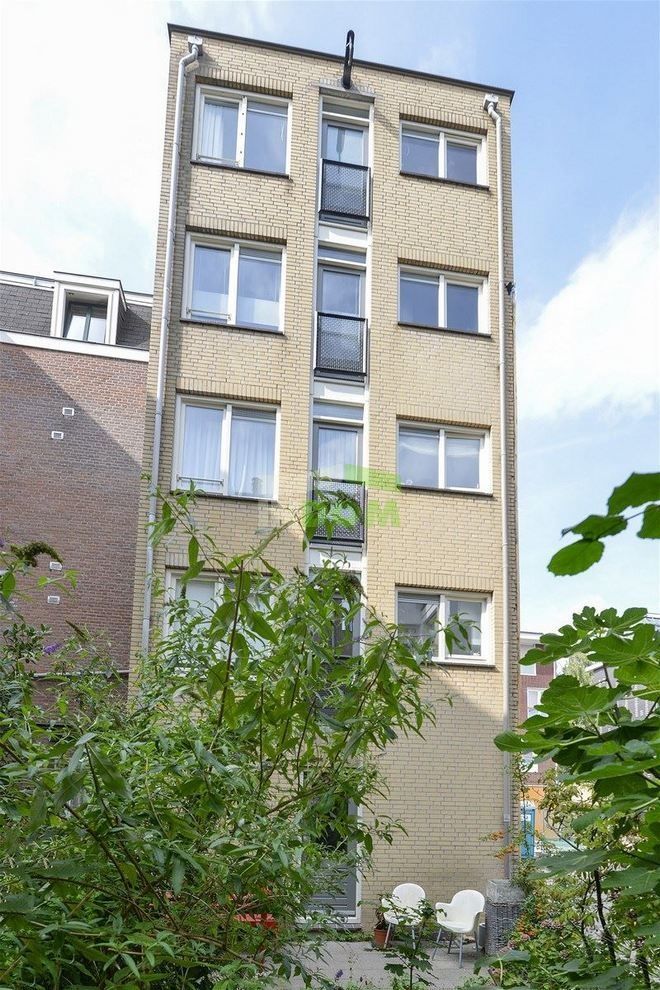
Bright apartment in the south of Amsterdam near the park, Netherlands
35 m2
On request
1
402 457 $
Compact apartment in the historic center of Amsterdam, the Netherlands
33 m2
On request
1
402 457 $
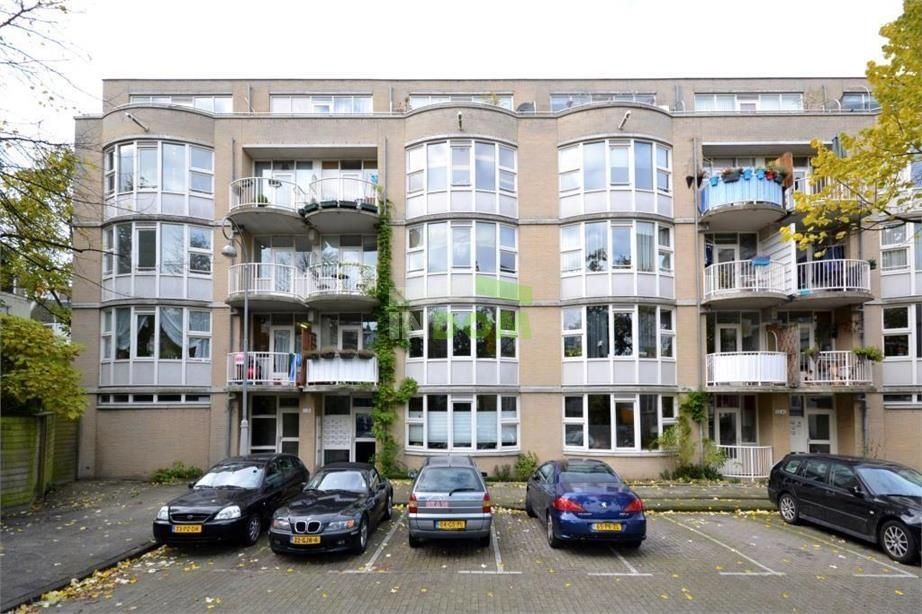
Bright corner apartment in the center of Amsterdam, Netherlands
39 m2
On request
1
407 862 $
Apartment in the west of Amsterdam in a modern house with a spacious balcony, the Netherlands
109 m2
On request
2
408 949 $
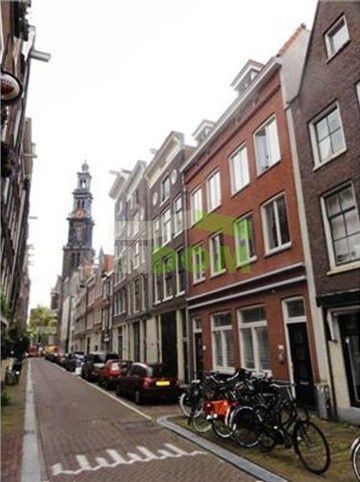
Apartment in the center of Amsterdam near the famous Dam Square, Netherlands
38 m2
On request
1
415 440 $
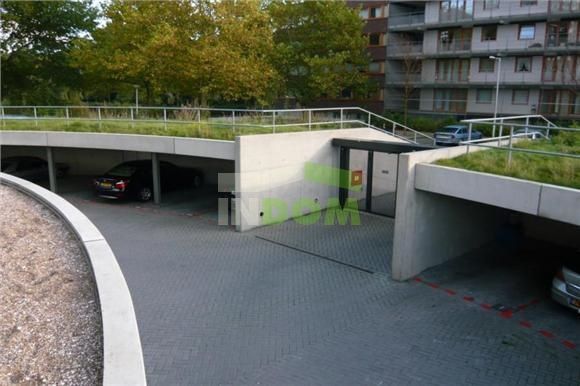
Apartment in a modern complex in the western part of Amsterdam, the Netherlands
85 m2
On request
2
415 440 $
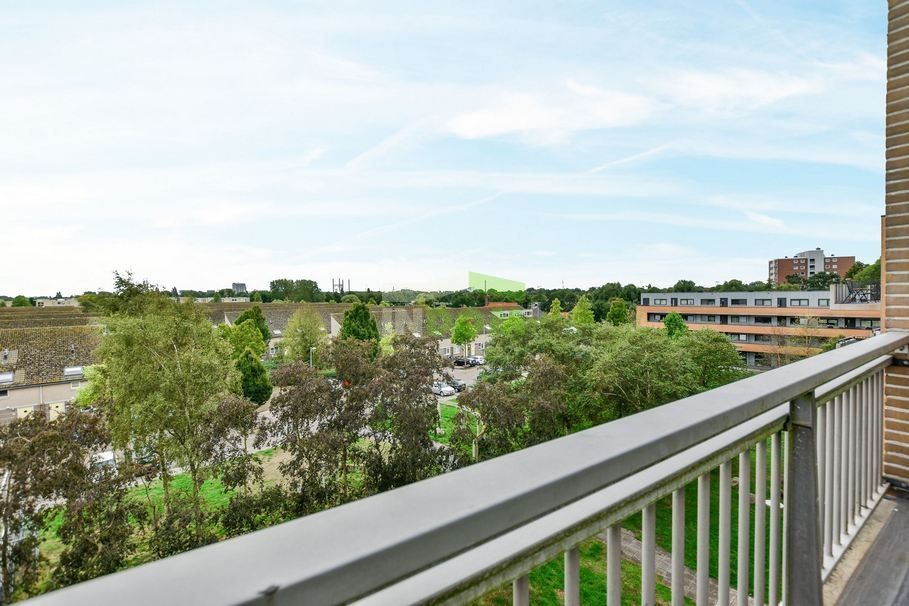
Bright apartment in the north of Amsterdam in the Molenwijk area, the Netherlands
50 m2
On request
1
415 440 $
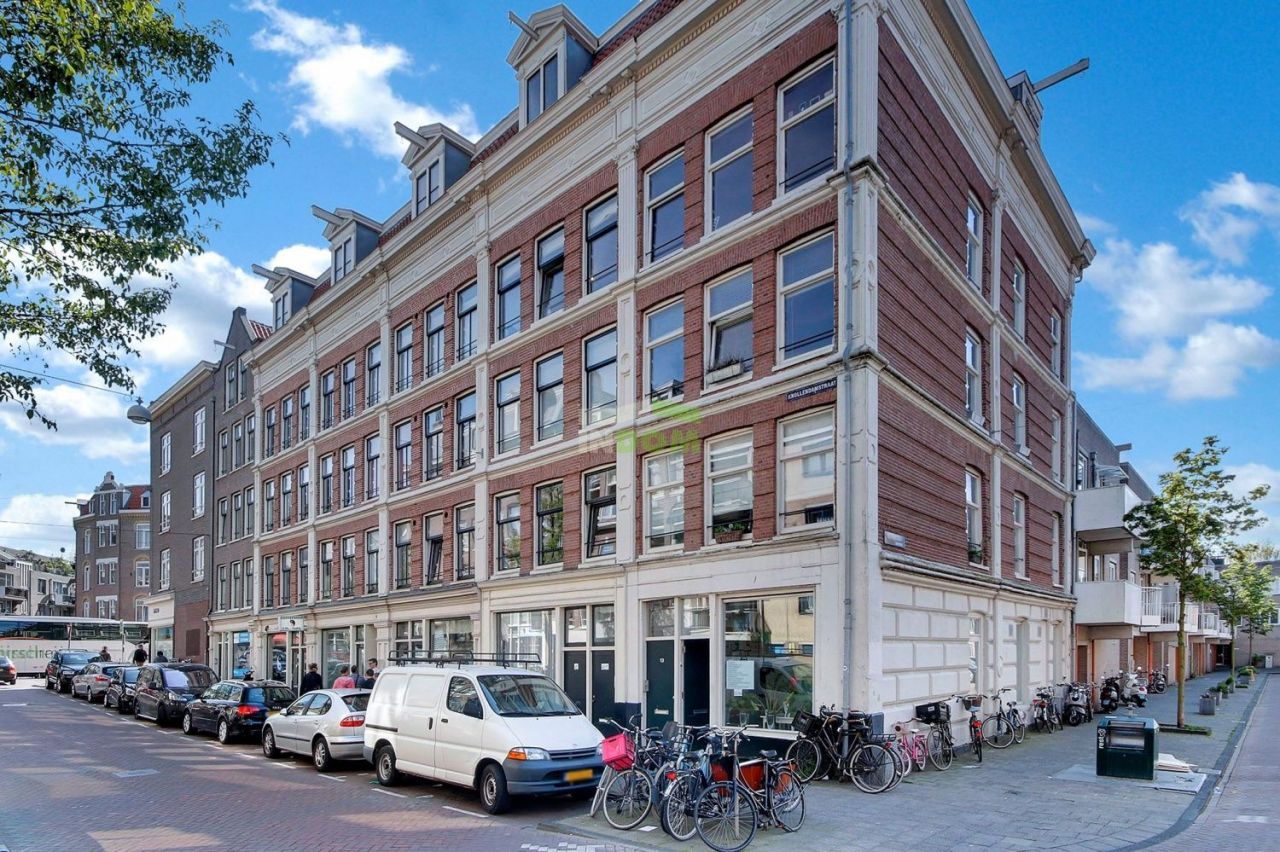
Two-bedroom apartment in a historic house in Amsterdam, the Netherlands
52 m2
On request
2
415 440 $
Two-bedroom apartment in a modern residential complex in Amsterdam, the Netherlands
106 m2
On request
2
421 931 $


Useful articles
and recommendations from experts
Owner listed housing structure and daily life in Rotterdam
Rotterdam is a city built around its river, port routes and modern center, with districts that each play a clear role in the housing map. The compact core around Coolsingel and Beurs has apartments and mixed use blocks, while older neighborhoods such as Delfshaven and Oude Noorden hold traditional streets with smaller buildings and busy local routes. Kralingen stretches east of the center with leafy avenues and streets near Kralingse Plas. South of the river, Kop van Zuid and Katendrecht stand beside large office towers and waterfront promenades, while wider residential zones in Rotterdam Zuid, IJsselmonde and Charlois support long term family life. To the north, Hillegersberg, Schiebroek, Blijdorp and Noord combine apartments and houses with access to parks and lakes. Farther out, Ommoord and Nesselande show newer high density and suburban style layouts. Anyone interested in buying homes here needs to read these differences before they decide where to focus.
In this section some homes appear as properties listed directly by owners with no buyer commission. These entries sit beside other real estate for sale in Rotterdam and give a direct view of how residents actually use their homes. Owners describe how they move between their building and Rotterdam Central Station, local tram or metro stops, the Maas riverfront, neighborhood shopping streets such as Nieuwe Binnenweg, and offices in the central business area. They explain how storage works for bikes, how they share courtyards, and how garages or private parking are used. When a buyer combines this level of description with professional advice, real estate turns from a list of numbers into a structured picture of daily life.
Why Rotterdam attracts buyers reviewing owner listings
Rotterdam attracts people who work in port related businesses, logistics, creative industries, finance, education and healthcare. Many jobs sit in and around the central business district, at Erasmus Medical Center, in universities near Kralingen and in offices on Kop van Zuid. Other roles lie in industrial zones to the west and along main road and rail corridors. Because work is spread across the city, buyers often look for real estate that links several routes rather than just one address.
Young professionals often focus on Centrum, Delfshaven, Oude Noorden, Blijdorp and Kop van Zuid. They want to find a property that lets them move easily between offices, co working spaces, Rotterdam Central Station and evening meeting points. For them, owner accounts that describe cycling routes, metro lines and late evening returns carry real weight. Families pay closer attention to Kralingen, Hillegersberg, Schiebroek, parts of Rotterdam Noord and areas of Rotterdam Zuid that sit near parks and schools. They need clear descriptions of school runs, storage for prams and bikes, and how children move between home, green spaces and sports clubs.
There is also a group of buyers who already live in the region and now want to find homes within Rotterdam itself. Some move from surrounding towns to shorten commutes to the center. Others have rented in Rotterdam for years and are now buying houses in the same district. When this group reads sale by owner homes, they use owner material to compare very specific streets. They already know the wider city; their questions are about staircases, courtyards, noise on certain corners and the way buildings are managed.
Types of owner listed properties in Rotterdam
Housing types change quickly from district to district. In the core around Coolsingel, Blaak and the streets near Beurs, many buildings hold apartments in mid rise towers or mixed use blocks. Residents who publish owner material from these addresses often describe lifts, shared entrances, bike rooms and how they use nearby supermarkets and metro stations. Buyers who want to find homes in this zone usually prefer compact interiors with strong connections to work and transport.
Delfshaven and surrounding streets along the canal system have older apartment blocks, smaller multifamily buildings and some houses with entrances directly onto narrow streets. Owner listings from Delfshaven often mention staircases, bike storage in internal courtyards, and the balance between active ground floors and quieter back streets. People who value historic street patterns but still want quick access to the center pay close attention to this area.
Kralingen sits east of the center with a mix of larger apartments, traditional houses and villas on structured grids around Kralingse Plas and the university area. Owners in Kralingen describe how they combine study or work routines with walks around the lake, how parking works on residential streets, and how long it takes to reach the central core by tram or bike. Buyers interested in more spacious layouts and a calm atmosphere close to universities and parks often search here first.
To the north, Hillegersberg and Schiebroek provide a different profile. Many streets hold detached or semi detached houses, townhouses and low rise apartment buildings near lakes and local centers. Residents selling directly from these districts write about school networks, sports clubs, local shopping streets and the feel of side roads during morning and evening hours. These notes help buyers see how buying houses here supports long term routines for families and professionals who still need access to central Rotterdam.
South of the river, Kop van Zuid and Katendrecht mix modern towers with renovated warehouses and mid rise blocks. Owners explain how they use promenades along the Maas, bridges into the center, and direct links to offices and cultural venues. Farther south, areas of Rotterdam Zuid and IJsselmonde hold many apartment blocks and houses in broad residential neighborhoods with local shopping squares and tram and bus lines. Owner descriptions from these districts often address commute patterns toward the center and to port related jobs, as well as the way residents use playgrounds, simple parks and community centers.
Further out, Ommoord and Nesselande show high density ensembles of apartment buildings combined with newer houses near water and green zones on the edge of the city. Owners there talk about metro connections into the center, routes to schools and how residents split time between local centers and trips toward the core. Buyers who use this section to find property across all these zones get a wide view of Rotterdam real estate for sale and can choose where to focus.
How private owner listings work in Rotterdam
Some entries in this section are homes offered directly by verified owners in this section. These sellers write their own descriptions, respond to questions and coordinate viewings, and there is no buyer commission. For the buyer this means conversations can focus on how the home fits their plans rather than on fee structures. They can ask when major upgrades were last carried out in general terms, how often regular maintenance is done, and how storage for bikes, tools and seasonal items is organised.
Rotterdam benefits strongly from this format because small differences between streets often change how a property works. An owner in a Blijdorp apartment can explain how residents manage shared gardens, laundry rooms and bike sheds. A seller in Delfshaven may describe how sound from busy streets fades as you move to rear rooms, and how they use local canal edges as walking routes. Someone in Hillegersberg can outline morning traffic patterns on key roads, boat and bike storage near lakes, and how children move between home, schools and sports fields. On Kop van Zuid an owner might describe how they split time between the tower they live in and office districts across the bridge.
By reading several listing fsbo entries across districts, buyers start to see which details matter most to them. Some discover that they care more about stair width than they expected. Others realise that access to a storage room or balcony is more important than a slightly larger living room. They can then ask professionals to check those topics in more depth. In this way, no agent property listings support, rather than replace, legal and technical checks.
Market patterns and pricing in Rotterdam
Market pricing in Rotterdam follows clear internal patterns linked to location, housing type and connection to work and amenities. Apartments in towers and modern blocks around the central business district and Kop van Zuid often sit at stronger price levels per unit of space. Buyers who choose these homes prioritise direct access to offices, high frequency transport and city services, and they accept compact layouts in exchange for that position.
Traditional apartments and houses in Delfshaven, Oude Westen, Oude Noorden and parts of Noord display a wide spread of values. Properties on calm side streets near canals and active local shopping routes can see consistent demand, especially when interiors are updated. At the same time, buildings that still need work may offer entry points for buyers with renovation plans. Many people who are buying homes here watch property for sale for several months to understand how asking prices relate to street position and interior condition.
Kralingen and Hillegersberg usually show higher levels for buying houses, especially for homes near Kralingse Plas and the lakes and parks in the north. Here, buyers often compare not only house size and layout but also access to schools, clubs and local centers. When owners explain how they use these facilities in daily life, buyers can judge whether the price ladder aligns with their priorities.
In Rotterdam Zuid, IJsselmonde and outer districts such as Ommoord, Nesselande and Hoogvliet, prices often reflect a balance between space, commute time and local infrastructure. Larger homes and newer developments may provide more interior area and storage at moderate prices compared with the central core, while apartments in established blocks can offer simple entry into the city market. People who use this section to find homes in these zones often focus on defined budgets and how far they are willing to travel each day.
Across the city, careful readers learn how real estate for sale fits onto several ladders rather than one. Some choose smaller apartments in the center so they can walk or cycle almost everywhere. Others select houses in Hillegersberg, Kralingen or parts of Rotterdam Zuid because they want room, storage and stable school routes. Owner asking prices linked to long form descriptions make those trade offs visible.
District and area overview for property search in Rotterdam
Breaking Rotterdam into a small set of search zones helps buyers compare districts according to their own routines.
- Centrum and Blaak form the business and shopping heart, with apartments in modern blocks, mixed use buildings and towers. Residents depend on walking, trams, metro and short bike rides to reach offices, education sites and cultural venues.
- Delfshaven and Oude Westen offer older streets, canal side apartments and compact multifamily buildings. Everyday life here revolves around local shops, cafes, Nieuwe Binnenweg, neighborhood squares and quick tram or metro trips into other parts of the city.
- Kralingen includes larger apartments and houses near Kralingse Plas and the university. Households here blend study or office work with time in parks and along the lake, and they value direct tram and cycle routes to the center.
- Blijdorp and Oude Noorden in Rotterdam Noord provide apartments and houses near smaller parks and strong bike and metro links to the core. Many residents here balance central jobs with quieter local streets and community focused facilities.
- Hillegersberg and Schiebroek sit further north with detached and semi detached houses, townhouses and low rise blocks near lakes, parks and local shopping streets. These districts suit households that want more space while keeping access to the city and the airport corridor.
- Kop van Zuid and Katendrecht on the south bank mix modern high rise towers and renovated waterfront blocks with active promenades and quick links across bridges. Residents here live close to offices, venues and river views while still reaching the center in minutes.
- Rotterdam Zuid, IJsselmonde, Ommoord and Nesselande contain broader residential areas with apartment blocks, townhomes and houses, local centers and metro lines, giving buyers many options to match budget and commute distance.
When buyers read how owners describe these zones, they can quickly reduce a wide map to a short list of areas that fit their work locations, school plans and travel habits.
Who typically buys in Rotterdam
Several buyer profiles appear again and again in Rotterdam. One group consists of young professionals and students who want to live close to offices, universities and cultural life. They often search in Centrum, Delfshaven, Oude Noorden, Blijdorp, Kop van Zuid and Katendrecht. This group looks for real estate that supports short journeys, strong public transport and flexible use of living spaces for both work and social time.
Families with children tend to focus on Kralingen, Hillegersberg, Schiebroek, parts of Rotterdam Noord and selected parts of Rotterdam Zuid. They want buying houses with enough rooms for children, home offices and guests, plus secure storage for bikes and sports equipment. Owner material that describes school routes, play areas, local sports clubs and weekend rhythms is especially valuable for them.
Another segment includes people working in port related and logistics roles who split time between different sides of the city. They may choose districts with easy access to main roads and rail corridors such as Rotterdam Zuid, IJsselmonde and some northern areas. For them, the key is not a single landmark but reliable links to several workplaces, and they read owner accounts to understand how commutes actually feel.
There are also long term regional residents who have lived near Rotterdam and now want to find homes within the city itself. Some move into smaller apartments in the center after children leave home. Others leave high rise living and look for houses in outer districts with more space. No agent property listings help them judge how streets they know in passing function when used as a permanent base.
Example scenarios of owner listed purchases in Rotterdam
One buyer worked in a creative agency near Blaak and had been commuting from a town outside the city. They wanted to shorten travel time and live close to both the office and cultural venues. Standard adverts for apartments in the center did not explain how bike storage, lift use and evening noise actually worked. By reading several sale by owner homes in Centrum and Delfshaven, they learned which buildings had secure bike rooms, how long it really took to reach the station and which streets felt calm after office hours. They chose a compact apartment near the inner harbor that matched this pattern and then asked professionals to review the property.
A second scenario involved a family moving from another country. One parent worked partly in offices on Kop van Zuid, the other at a site in Rotterdam Noord, and they had two school age children. They needed a house with a garden, enough bedrooms and clear links to schools. Their search focused on Kralingen and Hillegersberg. Owner accounts described school journeys, use of parks and lakes, and drive and tram times to both workplaces. A house in Hillegersberg stood out because the owner described a weekly routine that matched their expectations. After inspections and legal checks, the family felt confident to proceed.
A third example concerned a couple who had rented for years in Delfshaven and wanted to buy without leaving the area. They compared listing fsbo entries for apartments on different streets near the canals. Owners wrote about stair width, light levels in rear rooms, how they shared courtyards and where they stored bikes and tools. These details guided the couple toward a building where practical arrangements matched their needs. Professional advisors then confirmed the structural and legal side of the purchase.
Frequently asked questions for buyers in Rotterdam
Many buyers ask how to begin when they first look at Rotterdam real estate. A useful first step is to write down regular destinations. This list often includes workplaces, study sites, preferred train or metro stations, schools, parks and shopping streets. With that list in mind, they can read owner material from Centrum, Delfshaven, Kralingen, Rotterdam Noord, Hillegersberg, Kop van Zuid and Rotterdam Zuid and see which districts match their actual movements.
Another frequent question is how to choose between apartments and houses. Apartments in the center, Delfshaven, Kop van Zuid and many northern and southern districts suit buyers who want to stay close to public transport and city life with minimal exterior maintenance. Houses in Kralingen, Hillegersberg, parts of Rotterdam Zuid and outer districts give more interior space, gardens and storage, but usually involve longer journeys and more upkeep. People who want to find homes that will work for years often visit both formats before deciding.
Buyers also ask how much they can rely on owner written descriptions. Homes offered directly by verified owners give a detailed view of how spaces are used, how routines flow through the week and how neighbors interact. Serious buyers still use surveyors and legal advisors, but owner information helps them decide where to focus those expert checks. In this sense, sale by owner homes give context rather than replacing professional opinion.
Remote buyers and people relocating from other countries often wonder whether they can narrow options before visiting Rotterdam. Many of them study no agent property listings and other property for sale in several districts, note repeating themes about commutes, storage and community life, and then create a shortlist of addresses. By the time they arrive, they can spend their viewing time on homes that already seem aligned with their needs and budgets.
Conclusion: Why explore owner listings in Rotterdam
Rotterdam brings together a strong central business zone, historic districts along the water, spacious northern neighborhoods, modern waterfront quarters and wide residential areas to the south and east. Each district combines its own mix of apartments, townhomes and houses, local centers and transport links. For a buyer who wants to find property here, understanding this structure matters just as much as checking prices.
By using this section, which includes properties listed directly by owners with no buyer commission alongside other entries, buyers can see how individual addresses support real routes and obligations. They can compare several no agent property listings in the same area, read how owners describe their weeks and then bring in professional checks for the most promising homes. For anyone serious about finding homes or buying houses in Rotterdam, patient reading of owner accounts, careful comparison between districts and attention to long term routines turns a large and complex urban market into a clear set of options where each property for sale can be matched to the life it is meant to support.