
Houses for sale by private owner in AmsterdamPrivate owner houses with clear terms and photos
Best offers
in Netherlands
Real estate from owners in Amsterdam

Price gaps
Amsterdam has price gaps between canal belt apartments, inner west streets and newer districts, so direct deals with owners remove commission and create room to agree on realistic figures locally.
Condition stories
Direct conversations with Amsterdam owners give buyers plain stories about building condition, update history and long term upkeep, helping them compare older canal houses, postwar apartments and newer mixed use blocks without unnecessary uncertainty.
District rhythm
Owners in Amsterdam explain how each district works day to day, from canal belt streets to Noord or Zuid, helping buyers match commute routes, local services and daily rhythm with the neighborhood that feels right.
Price gaps
Amsterdam has price gaps between canal belt apartments, inner west streets and newer districts, so direct deals with owners remove commission and create room to agree on realistic figures locally.
Condition stories
Direct conversations with Amsterdam owners give buyers plain stories about building condition, update history and long term upkeep, helping them compare older canal houses, postwar apartments and newer mixed use blocks without unnecessary uncertainty.
District rhythm
Owners in Amsterdam explain how each district works day to day, from canal belt streets to Noord or Zuid, helping buyers match commute routes, local services and daily rhythm with the neighborhood that feels right.
Property highlights
in Netherlands, from our specialists
Found: 243
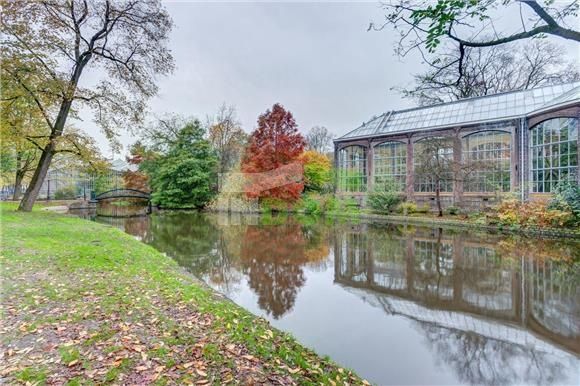
One bedroom apartment in the center of Amsterdam near Waterloo Square, Netherlands
40 m2

On request

2

402 457 $
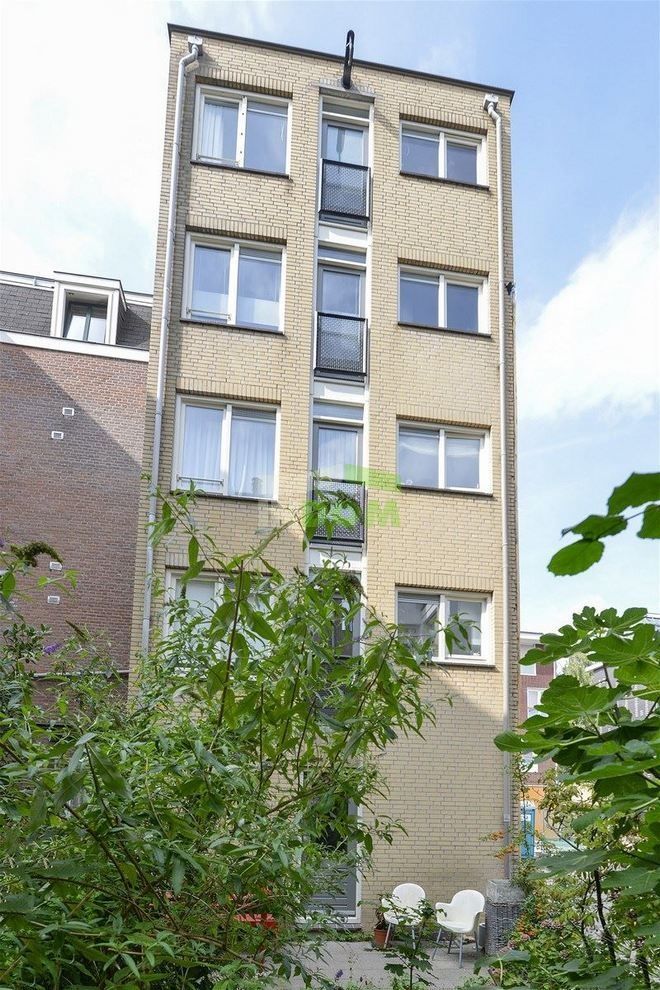
Bright apartment in the south of Amsterdam near the park, Netherlands
35 m2
On request
1
402 457 $
Compact apartment in the historic center of Amsterdam, the Netherlands
33 m2
On request
1
402 457 $
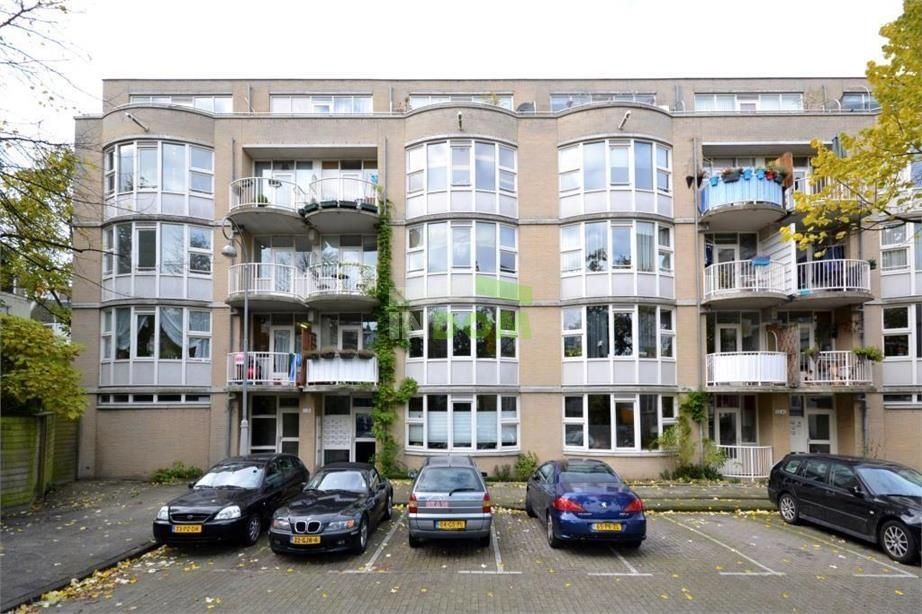
Bright corner apartment in the center of Amsterdam, Netherlands
39 m2
On request
1
407 862 $
Apartment in the west of Amsterdam in a modern house with a spacious balcony, the Netherlands
109 m2
On request
2
408 949 $
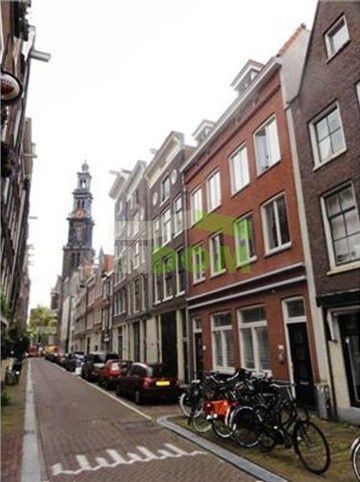
Apartment in the center of Amsterdam near the famous Dam Square, Netherlands
38 m2
On request
1
415 440 $
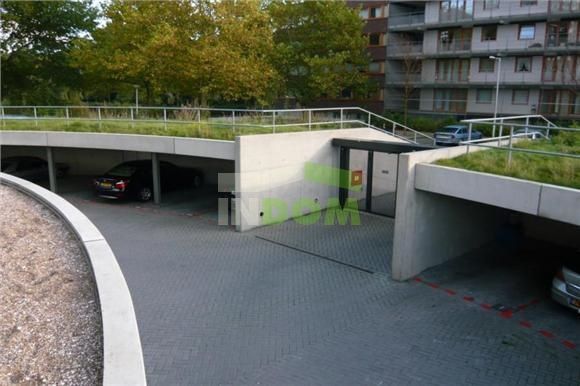
Apartment in a modern complex in the western part of Amsterdam, the Netherlands
85 m2
On request
2
415 440 $
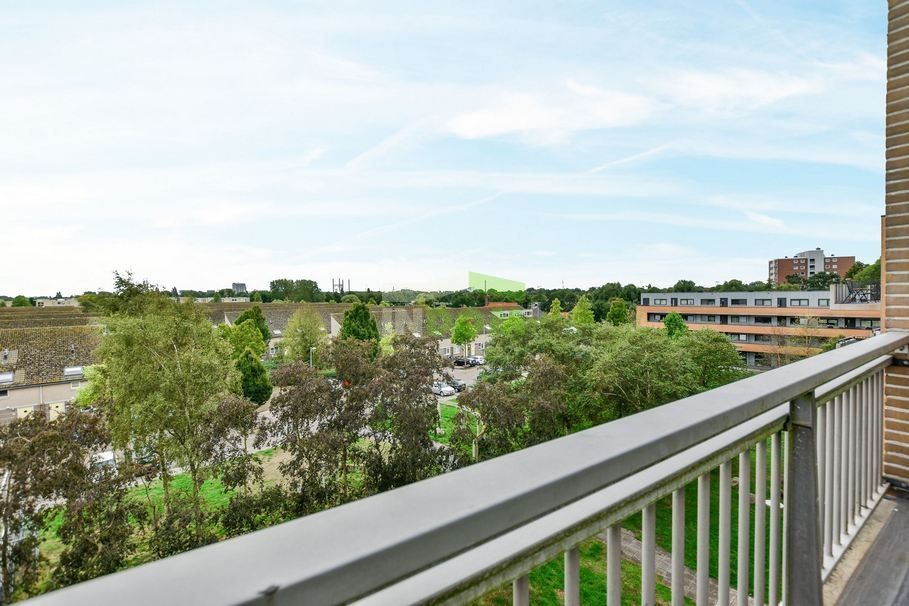
Bright apartment in the north of Amsterdam in the Molenwijk area, the Netherlands
50 m2
On request
1
415 440 $
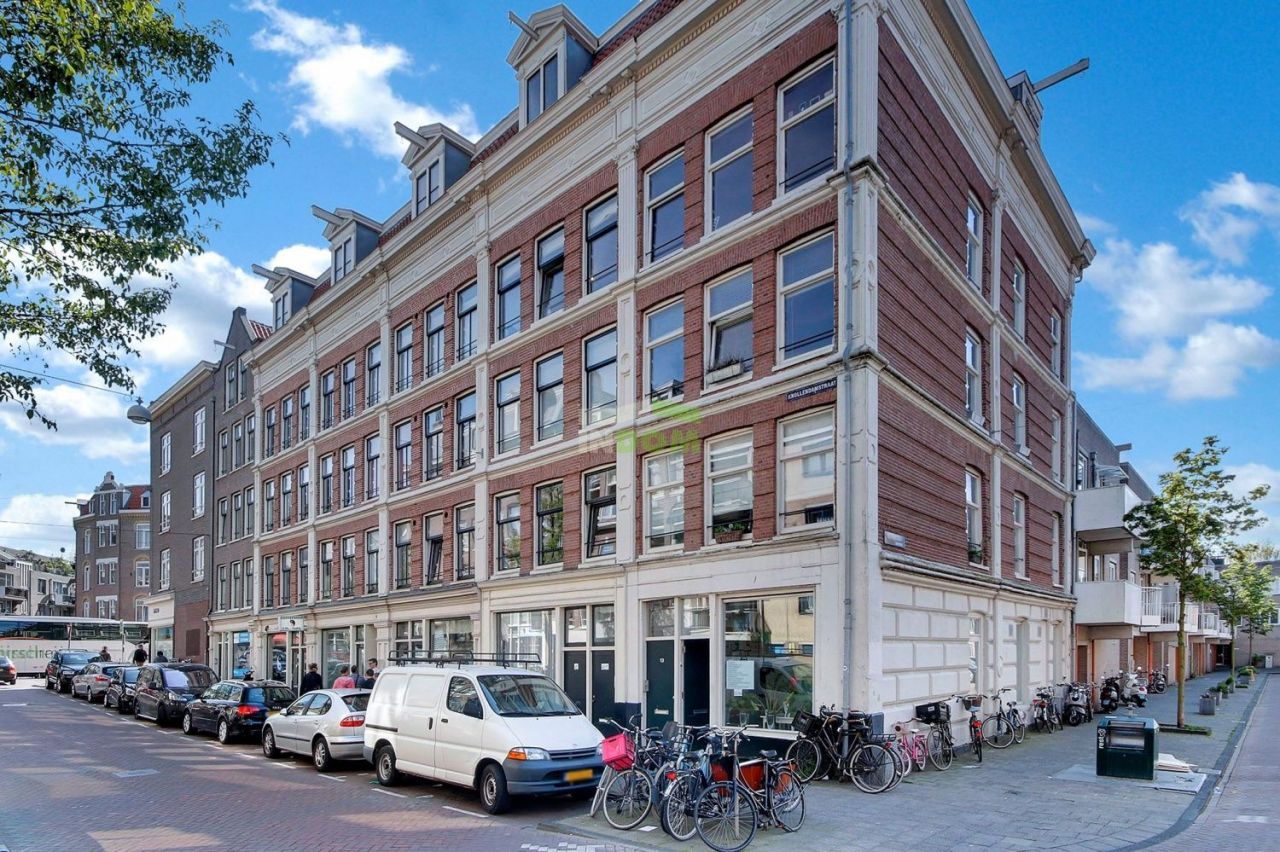
Two-bedroom apartment in a historic house in Amsterdam, the Netherlands
52 m2
On request
2
415 440 $
Two-bedroom apartment in a modern residential complex in Amsterdam, the Netherlands
106 m2
On request
2
421 931 $


Useful articles
and recommendations from experts
Direct owner insight across the housing streets of Amsterdam
Amsterdam is known for its canals and compact streets, but for buyers it is also a city of clear housing patterns and strong local habits. Behind each facade there is a household that understands how its building and block actually work. Many of these owners decide to handle the sale of their homes directly. They talk with buyers in person, explain the story of the property and agree on terms without several extra layers in the middle. For people who want to find property through simple, direct contact, Amsterdam offers a clear setting where owner led conversations fit naturally into everyday life.
The city brings together historic canal houses, narrow walk up apartments, postwar blocks and new developments in places such as IJburg, Noord and Zuidas. Real estate for sale appears across all these segments, and a part of it is offered by owners themselves. Buyers who focus on sale by owner homes hear plain language about building condition, update history and long term upkeep. They also hear how each address supports daily routines. This level of detail is hard to gain from a short advert and makes a real difference when buying homes in a compact and highly structured city like Amsterdam.
Why Amsterdam attracts direct property buyers
Amsterdam attracts direct property buyers because the city is built around clear daily movements. Many residents travel between jobs in the center or business districts and homes scattered through areas such as Jordaan, De Pijp, Oost, Noord and residential parts of West and Zuid. People who are buying houses want to know how a specific street supports this routine. They ask how long it really takes to walk or cycle to work, which routes feel calm, and where they will handle shopping and services along the way. Direct owners are the people best placed to answer these questions in simple terms.
Another reason is the character of local ownership. Many households stay in the same building for long periods. They know when major work was done, how neighbors organize shared spaces and how demand for the area has changed over the years. When they decide to sell, no agent property listings feel natural because owners are confident describing their own homes. Buyers who want to find homes without unclear language or generic phrases value this direct approach. They can ask for concrete examples instead of reading only broad claims about lifestyle.
What types of properties are sold directly in Amsterdam
The structure of Amsterdam housing is visible in the kinds of properties that owners sell directly. In and around the canal belt and central ring, many opportunities involve apartments in divided canal houses or compact upper floor units above street level. These homes appeal to buyers who want intense city life and short distances to work, culture and services. Owners in these areas explain how shared entrances work, how often common spaces are maintained and how they organize daily routines in narrow layouts.
- Canal belt and inner ring apartments in divided historic buildings
- Walk up flats and maisonette style homes in Jordaan, De Pijp and Oud West
- Postwar blocks with larger rooms in parts of Oost, Nieuw West and Zuidoost
- Newer apartments and houses in areas such as IJburg, Noord and Zuidas
Postwar districts and wider residential areas offer another set of homes. Here buyers find property for sale with more interior space, clearer separation between rooms and often better access to storage or shared courtyards. Owners in these locations can explain maintenance history of the building, how the owners group is organized and what long term upkeep has been planned. In newer areas, owners describe the layout of developments, how streets connect to main routes and how well services have kept up with recent growth.
Ownership and legal process for private sales
Private sales in Amsterdam follow a structured legal routine that sits underneath direct conversations. Once a buyer and owner reach agreement on price, main dates and basic conditions, they move to a formal stage run by a notary office. The notary team prepares documents, confirms recorded ownership, checks that all required information is present and manages the transfer of funds. This keeps the transaction safe and predictable while the buyer and owner continue to speak directly about the home itself.
Owners who choose listing fsbo routes understand that buyers take documentation seriously. They gather proof of ownership, service charge records where relevant and papers connected to important upgrades. Buyers share these documents with their own advisors, who compare the information with public registers. In this way the Amsterdam system combines open owner to buyer talk with clear external checks. It becomes possible to find a property through personal contact while still moving through a familiar and secure legal path.
Prices and market trends in Amsterdam
The Amsterdam real estate market shows distinct price bands tied to location, building type and demand. Central canal streets and the innermost ring often carry higher prices for smaller units, because buyers accept limited floor space in exchange for presence at the heart of the city. Areas such as Jordaan, De Pijp and popular parts of West mix historic buildings with a lively street pattern, and this combination is reflected in pricing. Further out, districts with postwar blocks and newer developments offer more interior space at different price levels, which appeals to households planning longer stays.
In a market like this, context for price is as important as the number itself. When buyers look at sale by owner homes, they can ask owners exactly how they arrived at their figure. A seller might explain that they compared recent transactions in the same block, considered the effect of a new kitchen or bathroom and took into account the general building condition. Buyers use these explanations to judge whether a price feels realistic. Because the discussion is based on actual examples and visible features, negotiation becomes a joint exercise in understanding value rather than a contest over a single number.
Popular districts for owner listings
Owner activity appears in many different parts of Amsterdam, and each set of streets has its own character. In the canal belt and immediate surroundings, direct sellers often offer upper floor apartments and compact homes that suit buyers who want to live close to work and culture. These owners describe how staircases feel in daily use, how they handle groceries or bicycles and how they manage sound between floors. Buyers who want to find a property in this zone gain honest insight into the real experience of central living.
- Canal belt and inner ring streets with compact apartments and shared entrances
- Jordaan, Oud West and De Pijp with mixed blocks and busy local services
- Oost and Nieuw West with larger apartments and postwar layouts
- IJburg, Noord and Zuidas with newer stock and clearly planned streets
In places such as Oost and Nieuw West, owners present mid size apartments and houses that often appeal to families and remote workers. They speak about room layout, local schools, green routes and shopping centers that form part of weekly routines. In IJburg and parts of Noord, owners of newer homes explain how the area has developed, how transport works now compared with earlier years and which local services residents use most. For buyers, these district level accounts make it much easier to link real estate for sale with concrete expectations for everyday life.
Who buys property directly in Amsterdam
People who buy directly from owners in Amsterdam come from many backgrounds but share a desire for precise, practical information. Some are young professionals moving from shared rentals into their first owned apartments. They search real estate for sale in inner districts where travel times stay short. Others are households with children who are ready to move from small central spaces into larger homes in Oost, Nieuw West, Noord or IJburg. There are also remote workers and self employed people who need one room that can serve as a consistent workspace without leaving the city.
Alongside these groups are long term residents who are changing districts within Amsterdam. They already know the difference between canal belt streets, inner ring neighborhoods and outer developments. For them, buying homes through direct contact builds on existing knowledge. They use conversations with owners to confirm that a specific building has been well cared for and that the local owners group or association works in a way that fits their preferences. Across all of these segments, buyers want the same thing: clear answers in simple words when they ask about building condition, service charges, update history and long term upkeep.
Examples of direct purchases in Amsterdam
One example involves a professional working near the central office zone who wants to cut travel time and move out of a shared flat. This buyer looks for property for sale in compact canal belt apartments and small units in Jordaan. Several owners offer no agent property listings and invite the buyer to view. During each visit, the owner explains how they organize storage, how often staircases and common halls are cleaned and what a normal weekday looks like. The buyer compares these details and chooses a home where daily movements feel efficient and costs match income.
A second example involves a family with a young child moving from a small inner ring apartment to a larger home further out. They search real estate for sale in Oost and Nieuw West, focusing on sale by owner homes in blocks with generous rooms. Owners describe how they have used the living room, how they set up childrens rooms and how they move between home, school and local services. The family listens closely to these stories and uses them to select a building where their next stage of life will feel manageable and structured.
A third example concerns a remote worker who wants a quiet space for work yet still wants to stay in Amsterdam rather than moving to another city. This buyer explores listing fsbo options in Noord and IJburg. Owners there explain which rooms stay quiet during the day, how they combine work and home life and how long it takes to reach inner districts when needed. They also talk about maintenance history and any recent upgrades in their own words. With this knowledge, the buyer can find homes that support focused work while keeping social and cultural options within reach.
Frequently asked questions
How do buyers usually find property listed directly by owners in Amsterdam
Many buyers combine online searches with local signals. They use filters that highlight no agent property listings, follow neighborhood notice boards and pay attention to signs on buildings while moving through streets. This mix helps them discover direct opportunities that might not stand out in general listings.
Is negotiation in Amsterdam direct sales very different from agent based deals
Negotiation in direct sales is often more focused on concrete points. Buyers and owners talk about price, small changes in timing and practical conditions such as what will remain in the home. Because they speak face to face, both sides can adjust quickly when new information appears.
Do buyers still use professionals during private sales in Amsterdam
Yes, buyers usually work with a notary office and often with an advisor. The notary team handles documents, verifies ownership and manages funds, while advisors help buyers read building papers, service charge records and other key data.
What extra costs should buyers expect beyond the purchase price in a direct Amsterdam transaction
Buyers should plan for costs such as notary fees, registration charges and any agreed share of service charges during the transfer period. These amounts appear in most Amsterdam transactions whether or not an agent is involved.
How can buyers check the condition of a home offered directly by an owner
Buyers can ask owners to describe maintenance history, visible upgrade work and general building condition in straightforward language. Many buyers also order an independent technical review so they can compare a third party view with the owners explanations before making a final decision.
Conclusion: Why choose Amsterdam for direct property purchases
Amsterdam offers a compact but diverse housing landscape where direct owner sales fit naturally into the way people make decisions. The mix of canal belt apartments, inner ring streets, postwar districts and newer developments gives buyers many chances to find a property that fits their budget and routine. Direct conversations with owners reveal how each home has been cared for, how shared spaces are organized and how daily life works at street level.
For buyers who want a clear route to real estate without several intermediaries, sale by owner homes across Amsterdam provide a strong answer. By exploring no agent property listings, asking direct questions and listening to detailed stories from owners, buyers can find homes that match their work patterns, family needs and long term plans. In this way, buying houses directly from owners becomes a practical, informed path into one of Europes most structured and recognizable city landscapes.