
Property for sale in HungaryDirect owner listings with verified photos
Best offers
in Hungary
Real estate from owners in Hungary

Central European gateway
Hungary's strategic position connects Western and Eastern European markets, enhancing property liquidity. Direct purchases from owners eliminate intermediary hurdles in this transitional economy. Secure assets in a stable EU member with growth potential.
Thermal bath destinations
Unique spa towns like Hevíz offer therapeutic tourism driving consistent property demand. Buying directly provides authentic insights into seasonal operations and maintenance. Invest in specialized real estate benefiting from Hungary's geothermal resources.
Vineyard estate potential
Traditional wine regions like Tokaj provide agricultural property with cultural heritage value. Direct owners share generations of knowledge about land cultivation and local regulations. Acquire producing vineyards through transparent private transactions.
Central European gateway
Hungary's strategic position connects Western and Eastern European markets, enhancing property liquidity. Direct purchases from owners eliminate intermediary hurdles in this transitional economy. Secure assets in a stable EU member with growth potential.
Thermal bath destinations
Unique spa towns like Hevíz offer therapeutic tourism driving consistent property demand. Buying directly provides authentic insights into seasonal operations and maintenance. Invest in specialized real estate benefiting from Hungary's geothermal resources.
Vineyard estate potential
Traditional wine regions like Tokaj provide agricultural property with cultural heritage value. Direct owners share generations of knowledge about land cultivation and local regulations. Acquire producing vineyards through transparent private transactions.
Property highlights
in Hungary, from our specialists
Found: 118
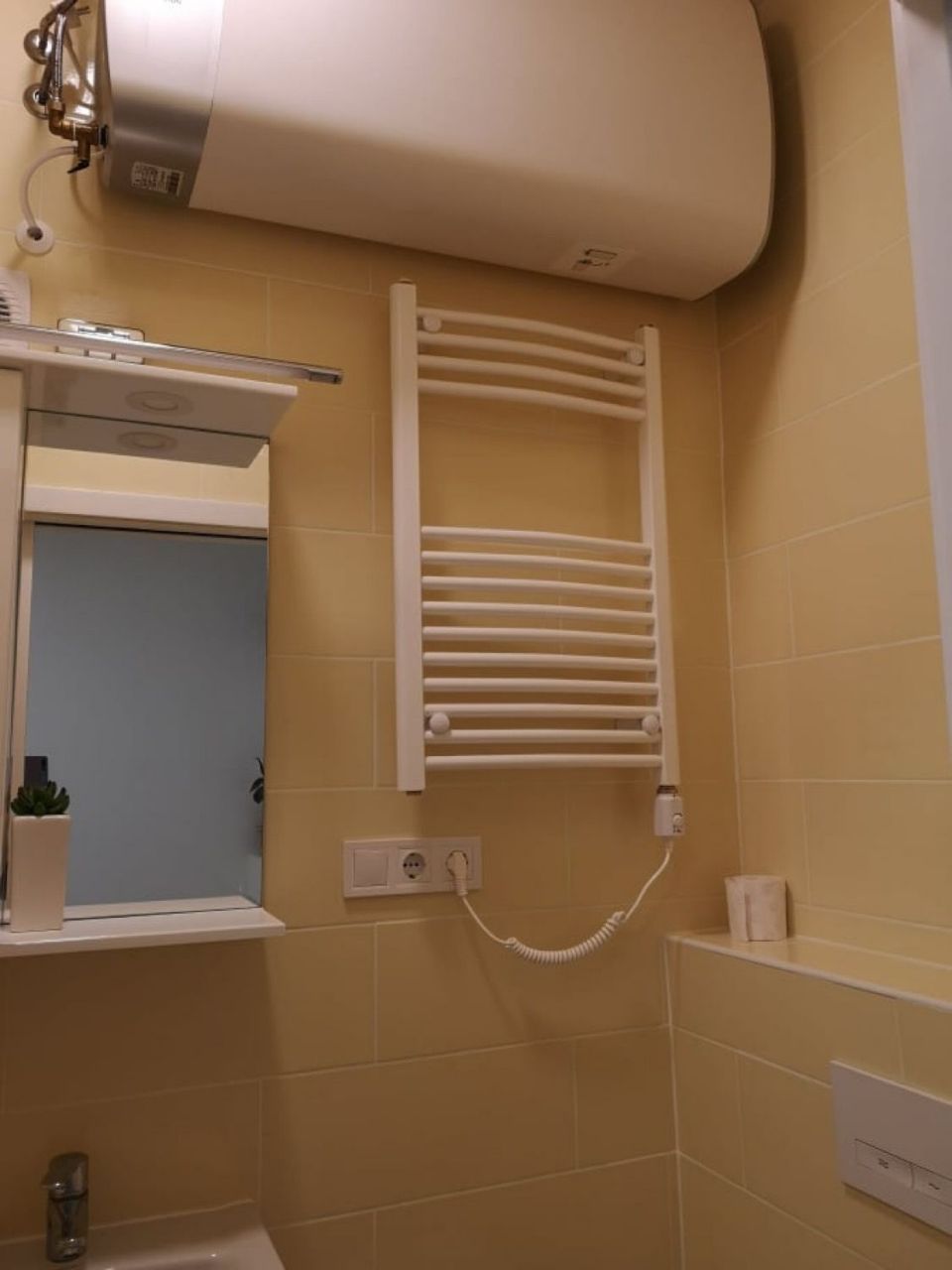
Cozy apartment 21 m2 in the center of Budapest
21 m2

On request

1

57 804 $
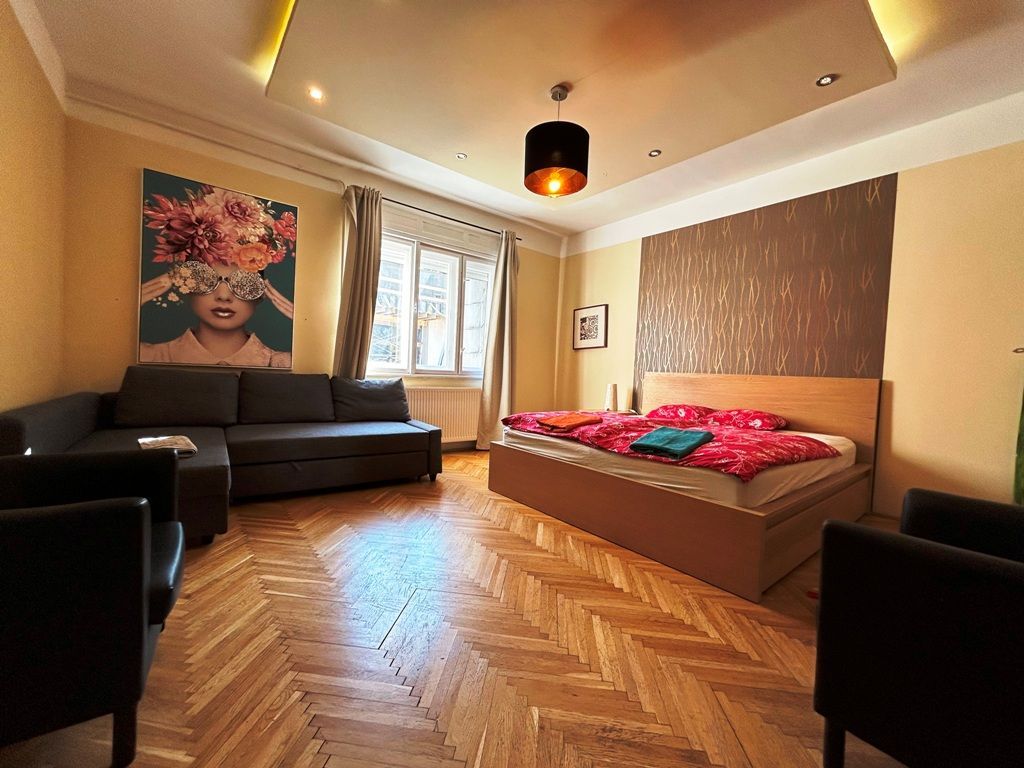
Apartment in Budapest, 42 m2
42 m2
On request
1
213 168 $
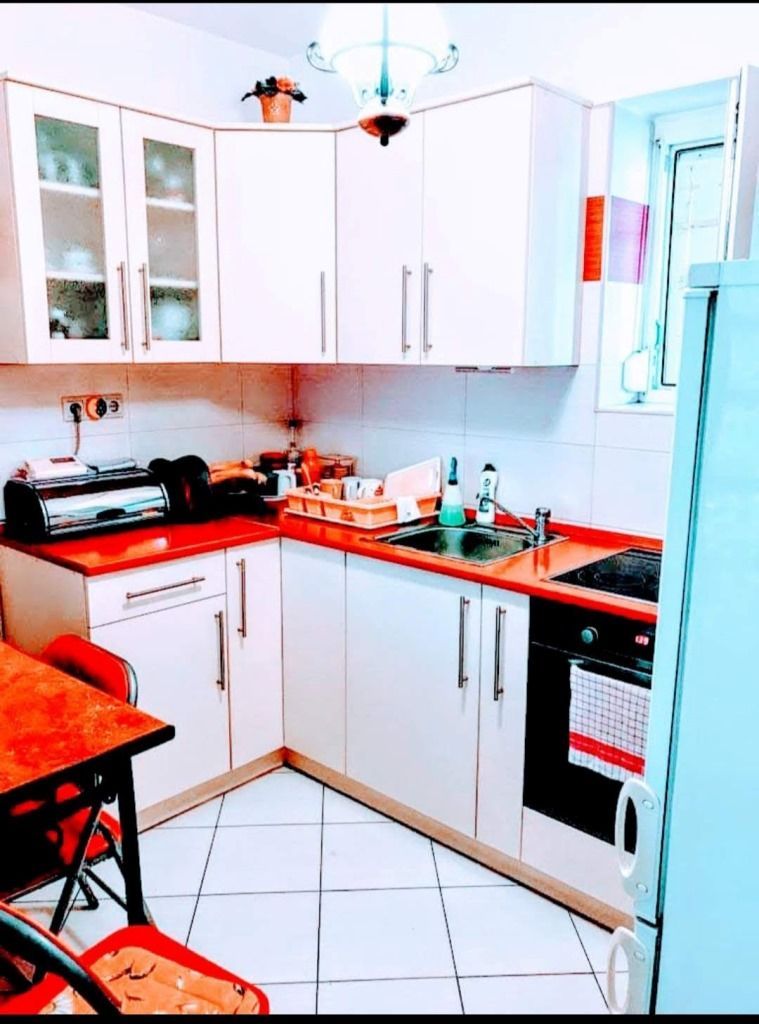
A cozy apartment with a good location, 48 m2
48 m2
On request
1
219 080 $
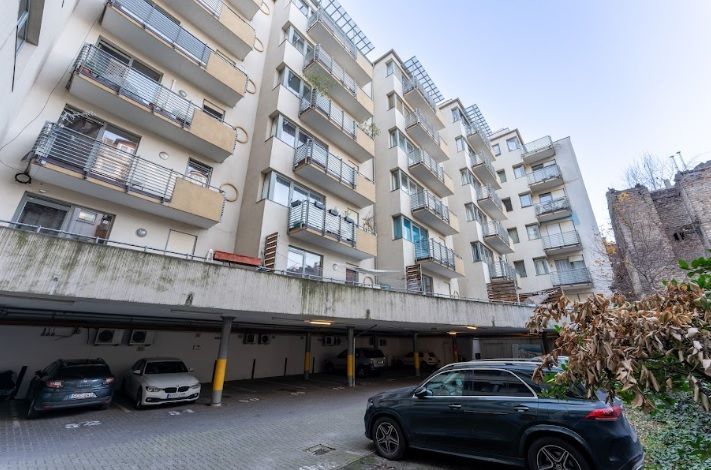
Bright apartment 62 m2 with balcony in Budapest
62 m2
On request
1
222 094 $
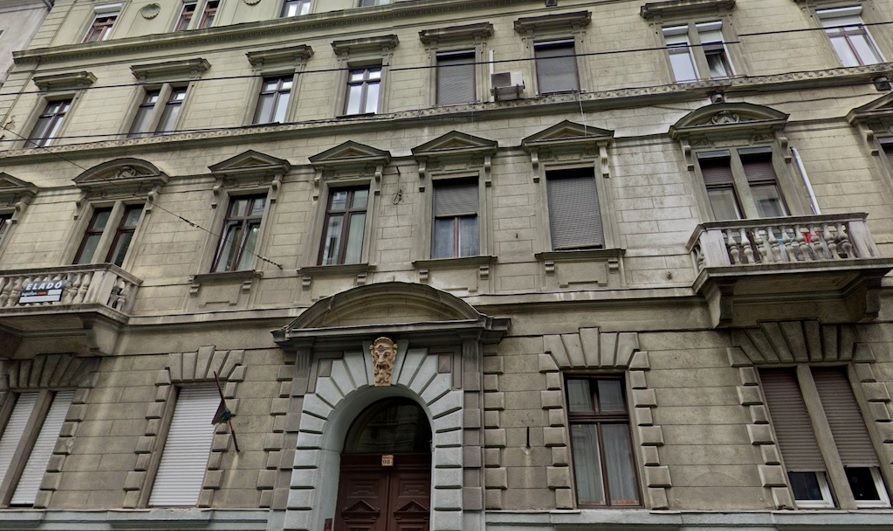
Apartment 66 m2 in Budapest
66 m2
On request
2
231 831 $
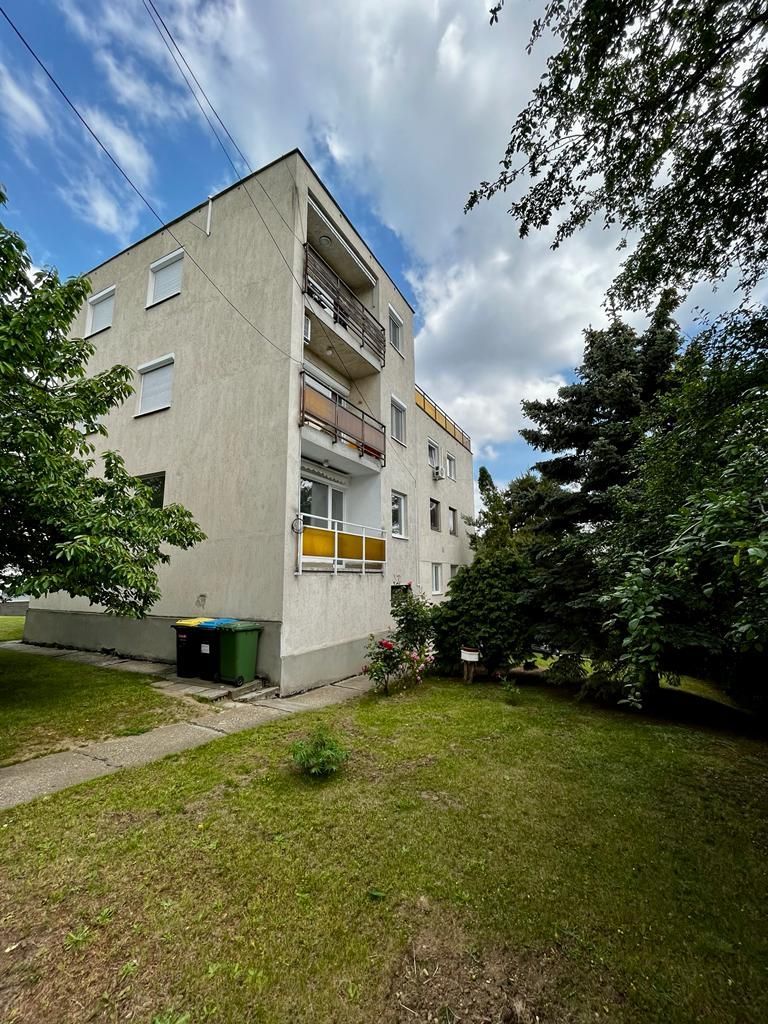
Apartment 53 m2 in a residential area of Budapest
53 m2
On request
1
260 809 $
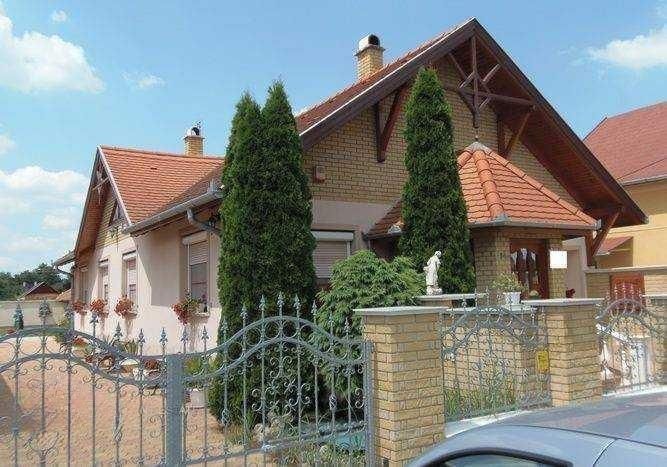
House 140 m2 North Alfeld
140 m2
On request
2
264 287 $
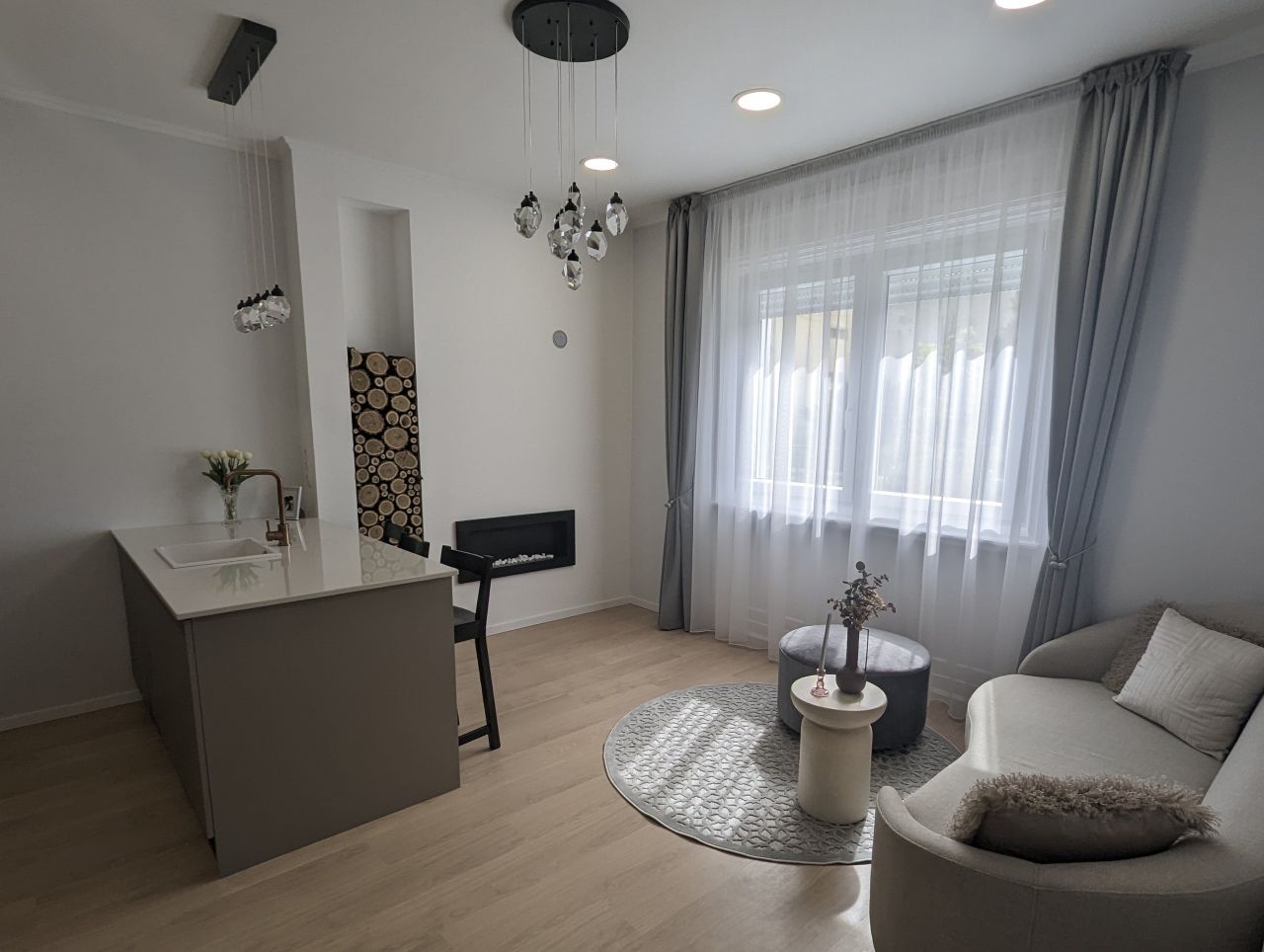
Apartments in Budapest 60 m2
60 m2
On request
2
266 605 $

Apartment 83 m2 for life in Budapest, Hungary
apartment
83 m2
1
2
266 605 $
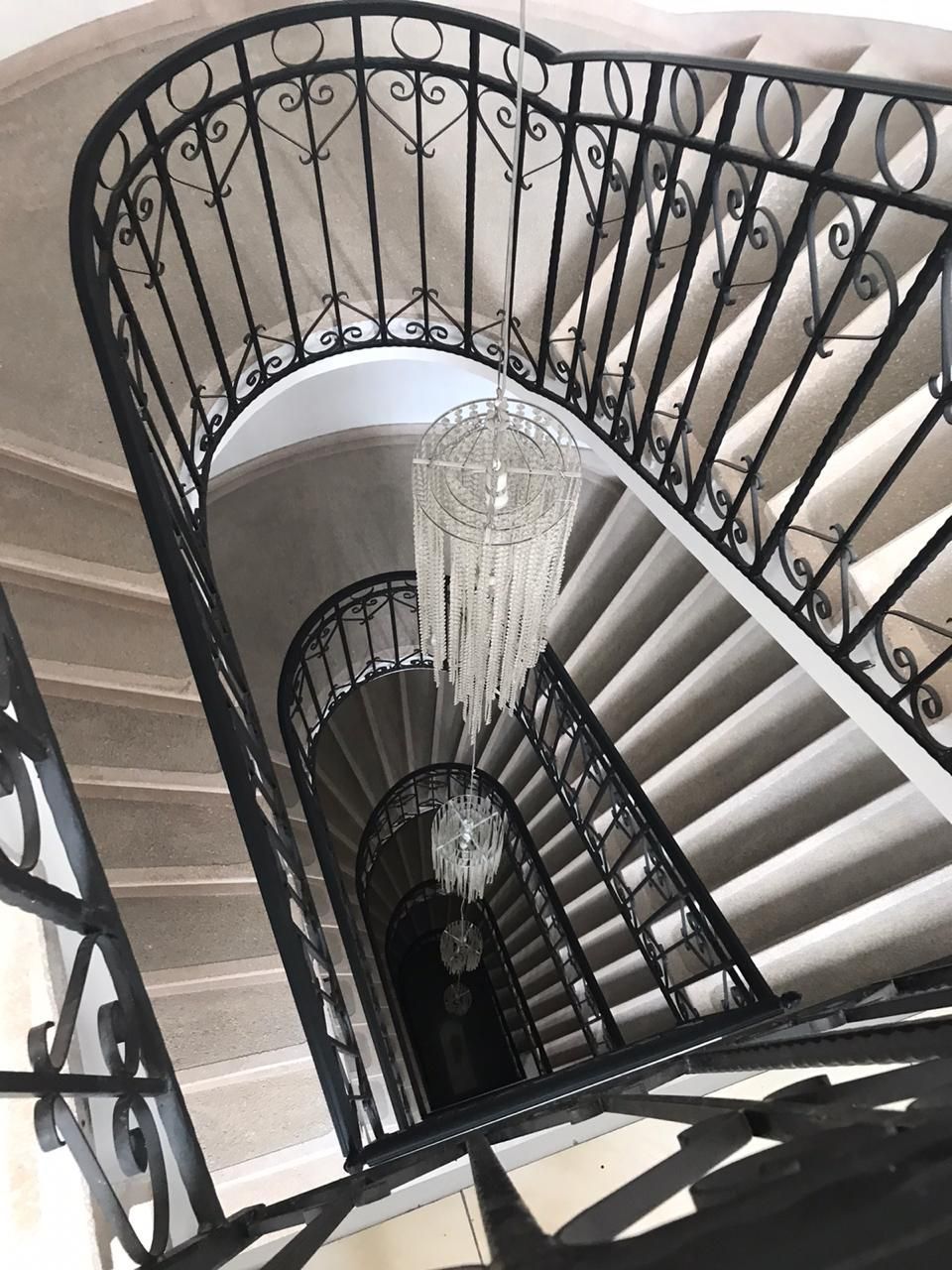
Cozy, furnished apartment 68 m2 in Budapest
68 m2
On request
2
272 401 $


Useful articles
and recommendations from experts
Hungary Property Acquisition: Direct Ownership in Central Europe
Navigating Hungary's property market through direct owner transactions reveals distinctive opportunities shaped by the nation's post-transition economic evolution and unique cultural assets. Unlike Western European markets, Hungary presents particular conditions where private sales often provide access to properties rarely listed through conventional channels, from Budapest's historic apartments to agricultural land in the Great Plain. The country's integration into European Union frameworks establishes legal protections while preserving localized transaction customs that informed sellers can elucidate with precision. For investors and lifestyle buyers alike, understanding Hungary's nuanced real estate landscape requires moving beyond standardized approaches to appreciate regional variations, regulatory specificities, and market dynamics best communicated through direct engagement with current owners.
Post-transition market characteristics
Hungary's property market operates within a distinctive framework shaped by three decades of economic transformation, resulting in layered ownership histories and evolving valuation methodologies. The nation's real estate sector demonstrates particular characteristics including significant regional price disparities, varying foreign ownership regulations across property types, and complex restitution histories affecting certain properties. Direct sellers frequently possess detailed knowledge about these market peculiarities, providing context about how specific assets have transitioned through different economic periods. This historical perspective proves invaluable when evaluating properties with complex backgrounds or assessing long-term value trajectories in neighborhoods undergoing gentrification or infrastructure modernization.
Architectural and functional diversity
Hungarian properties available through direct sales channels reflect the nation's architectural evolution from Austro-Hungarian elegance to socialist-era pragmatism and contemporary innovation. Budapest's distinctive floor-based apartment classifications (belmagasság) influence values in ways unfamiliar to international buyers, while countryside properties range from traditional farmsteads to modern vineyard estates. Thermal spa regions present specialized property types catering to therapeutic tourism, and Lake Balaton shorelines offer seasonal residences with particular usage patterns. Through direct communication, buyers access nuanced understanding of how architectural styles, construction periods, and functional adaptations affect livability, maintenance requirements, and investment potential across Hungary's diverse regions.
Legal framework and transaction customs
Hungary's property transaction system combines EU-standardized regulations with localized practices that direct participants navigate more efficiently than external observers. The country's land registry (Földhivatal) provides reliable title records, but understanding supplemental documentation requires familiarity with Hungarian administrative traditions. Private sellers often facilitate transactions by explaining utility transfer procedures, local tax calculation methods, and municipal permitting processes specific to their property type and location. Foreign buyers particularly benefit from direct explanations about residency-based ownership restrictions, agricultural land acquisition rules, and renovation permissions within historic districts or protected areas. This procedural knowledge significantly reduces administrative uncertainties in direct transactions.
Regional valuation determinants
Property values in Hungary respond to factors extending beyond conventional metrics to include thermal water access, EU development funding allocations, and cross-border economic influences. Budapest's district variations create micro-markets where adjacent neighborhoods demonstrate significantly different price trajectories based on infrastructure investments and demographic shifts. Countryside properties derive value from agricultural classifications, tourism development potential, and accessibility improvements. Direct owners provide contextual understanding about how regional development plans, transportation projects, and cultural initiatives might impact specific properties in ways not yet reflected in market statistics. This forward-looking perspective helps buyers identify opportunities ahead of broader market recognition.
Urban versus rural acquisition considerations
Hungary presents striking contrasts between Budapest's dynamic metropolitan market and provincial regions with distinct economic bases. The capital city operates with transaction rhythms and valuation approaches characteristic of Central European capitals, while smaller cities like Debrecen, Szeged, and Pécs follow different market logic tied to local universities, medical centers, or industrial hubs. Rural properties involve additional considerations including agricultural subsidy programs, land consolidation initiatives, and rural development funding. Direct sellers in each context provide authentic insights about local employment patterns, service accessibility, and community dynamics that fundamentally influence property functionality and long-term demand drivers.
Investment and lifestyle purchaser profiles
Hungary attracts diverse buyer segments including diaspora members reclaiming heritage properties, international investors targeting Budapest's rental market, EU citizens seeking affordable retirement options, and agricultural investors acquiring farmland. Each group approaches direct transactions with different priorities requiring tailored information. Heritage buyers value understanding property histories and neighborhood transformations. Investors seek accurate operational data about rental yields and occupancy patterns. Lifestyle purchasers prioritize insights about community integration and service accessibility. Direct communication allows sellers to address these varied priorities with specific details rather than generalized property descriptions, creating more productive negotiations and satisfactory outcomes.
Transaction case examples
Representative direct transactions illustrate Hungary's market specificities. One scenario involves purchasing a pre-war Budapest apartment directly from heirs who provide original architectural plans, historical photographs, and neighborhood change narratives unavailable elsewhere. Another case features acquiring a Tokaj vineyard through direct negotiation with winemakers who explain terroir characteristics, grape varietal performance, and regional climate patterns alongside conventional property details. Thermal region transactions often include operational records from therapeutic tourism businesses, providing data-driven insights about seasonal demand fluctuations. These examples demonstrate how Hungary's direct property market transfers not just physical assets but also contextual knowledge that significantly enhances ownership experiences.
Essential market-specific inquiries
Prospective direct buyers should investigate utility infrastructure modernization timelines in target regions, as Hungary's substantial EU-funded upgrades dramatically affect property functionality. Understanding municipal development plans reveals future neighborhood transformations, particularly in Budapest's expanding districts. Researching agricultural subsidy program eligibility affects income potential for rural properties. Assessing cross-border economic influences helps evaluate stability in regions near Austrian, Slovakian, or Serbian borders. These localized factors often prove more significant than national market trends when making acquisition decisions in Hungary's regionally diverse property landscape.
Strategic acquisition approaches
Successful direct property acquisition in Hungary requires appreciating the nation's economic dualities as both established EU member and evolving post-transition market. The most rewarding transactions typically involve properties where localized knowledge reveals value invisible through standardized analysis. This might include understanding how specific streets benefit from microclimate advantages, which buildings contain structurally superior socialist-era construction, or where municipal investments will next enhance accessibility. By engaging directly with sellers possessing these nuanced insights, buyers can identify opportunities aligning with both immediate requirements and long-term positioning within Central Europe's dynamic property landscape.