
Owner-listed properties in VersaillesFSBO listings with transparent communication
Best offers
in Ile-de-France
Real estate from owners in Versailles


Price logic clarity
Versailles' market is defined by stark contrasts between historic center premiums and modern quarter values. Owner listings provide direct, unfiltered views of pricing for comparable apartments in these legally distinct zones.
Architectural nuance access
A conversation with the owner is indispensable for understanding the specific renovation constraints, material history, and maintenance nuances of a property, given the city's strict architectural oversight and varied building periods.
Quarter identity insight
Direct dialogue reveals the true character differences between the regulated elegance of Notre Dame, the vibrant mix of Saint Louis, and the quiet residential fabric of Porchefontaine, guiding a precise lifestyle match.
Price logic clarity
Versailles' market is defined by stark contrasts between historic center premiums and modern quarter values. Owner listings provide direct, unfiltered views of pricing for comparable apartments in these legally distinct zones.
Architectural nuance access
A conversation with the owner is indispensable for understanding the specific renovation constraints, material history, and maintenance nuances of a property, given the city's strict architectural oversight and varied building periods.
Quarter identity insight
Direct dialogue reveals the true character differences between the regulated elegance of Notre Dame, the vibrant mix of Saint Louis, and the quiet residential fabric of Porchefontaine, guiding a precise lifestyle match.








Useful articles
and recommendations from experts
Understanding Versailles real estate through direct owner perspectives
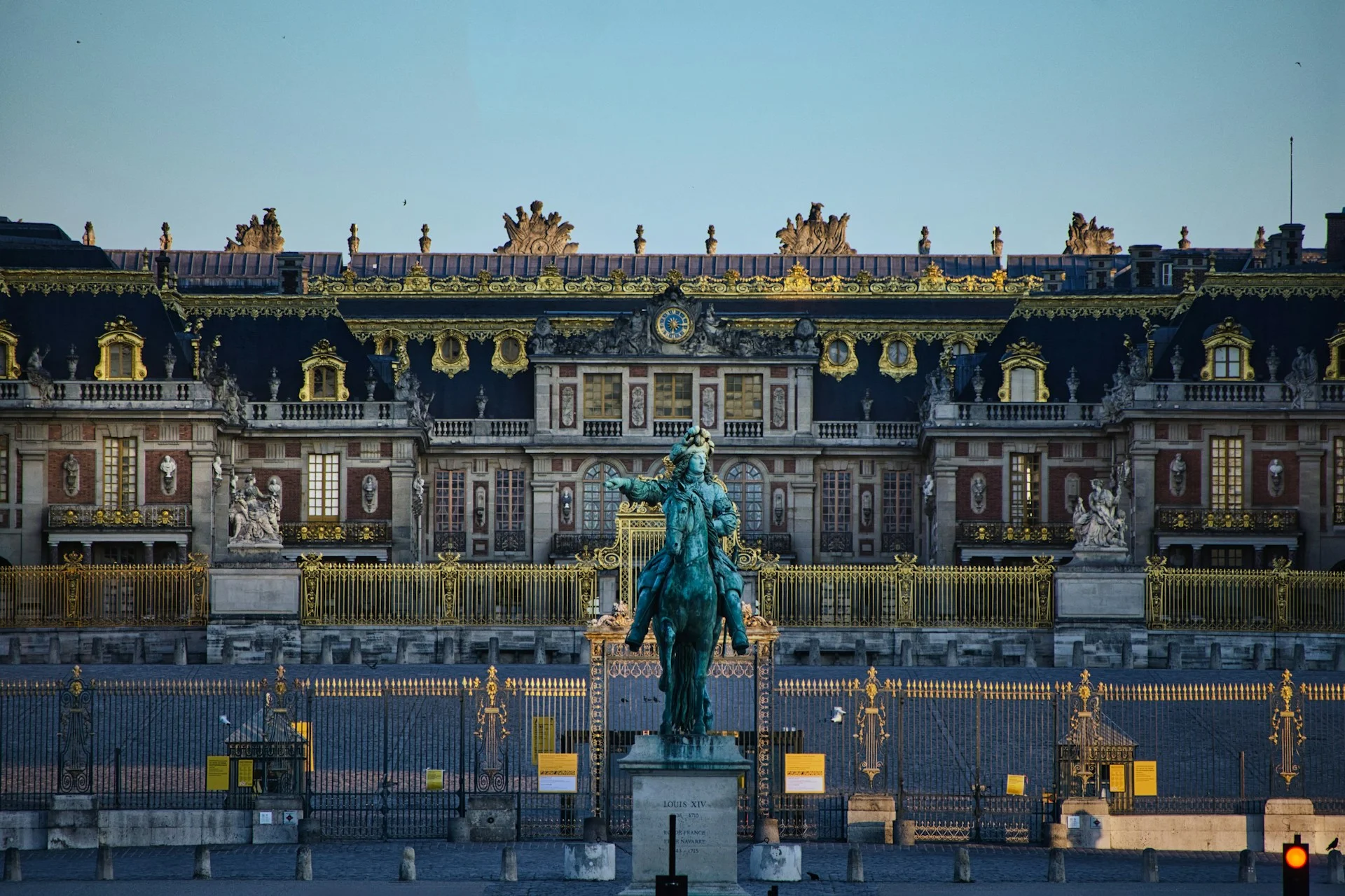
Those exploring property in Versailles engage with a market unlike any other in France, a realm where global historical prestige intersects with the practical realities of a thriving suburban city. The search here is not merely for square meters but for a position within a meticulously ordered urban tapestry, originally designed to reflect royal power. The city's famous grid, radiating from the chateau, establishes a clear hierarchy of value and character across its quartiers. This section presents sale by owner homes shown here from verified owners, offering a pathway to navigate this layered market without buyer commission. For a location where authenticity, legal status, and subtle neighborhood distinctions are paramount, gaining insight directly from the current occupant provides an invaluable layer of understanding that generic listings cannot convey.
The Versailles context for property seekers reviewing direct listings
Acquiring a home in Versailles signifies participation in a living historical entity, yet one that functions as a modern administrative center for the Yvelines department. This dual identity creates a unique demand profile. The gravitational pull is not industrial but cultural and aspirational, drawing diplomats, senior executives, academics, and families deeply invested in education and heritage. The presence of prestigious international schools and proximity to major business hubs like La Defense further solidify its appeal. When individuals look to find property here, they are often weighing the immutable prestige of an address against the practicalities of living in a heavily regulated urban monument. Reviewing owner published listings available for this location cuts through speculative marketing. An owner can explain the tangible reality of living steps from the Chateau's gates the Sunday morning tranquility when tourists are absent, the specific sunlight patterns in a courtyard governed by alignment rules, or the community within a particular Haussmannian building. This direct knowledge is critical for assessing the true value of a proposition that, on paper, might seem similar to another just a few blocks away.
Property typologies and architectural eras in Versailles
The built fabric of Versailles is a chronological record of French aristocracy, bourgeoisie, and 20th century expansion. The most coveted properties are the grands appartements within 17th and 18th century buildings in the Quartier Notre Dame and Saint Louis. These feature high ceilings, herringbone parquet, marble fireplaces, and often interior courtyards, subject to strict preservation codes. The 19th century brought Haussmannian style expansions, particularly in areas like the Rue de la Paroisse, introducing more standardized but elegant apartment blocks with wrought iron balconies and stone facades. The early to mid 20th century saw the development of garden city inspired quarters like Porchefontaine and Clagny-Glatigny, characterized by lower density, art deco influences, and houses with gardens, offering a different, more private version of Versailles life. The latter part of the century added modern residential complexes, primarily in the Satory district, providing contemporary amenities. Owner listings will meticulously detail the property's siècle, its classification if within a protected sector, and the scope of any modernizations, as updating a listed bathroom involves a fundamentally different process than in a 1960s build.
The dynamics of private sales in a regulated market
Conducting a private property transaction in Versailles demands heightened diligence due to the local planning regulations. Owners opting for a direct sale must be prepared with a comprehensive dossier: the diagnostic reports, the property title, and crucially, any documentation related to the building's classification in the Plan de Sauvegarde et de Mise en Valeur or as a Monument Historique, if applicable. For a buyer, engaging a notaire or lawyer familiar with Versailles' specific constraints is non negotiable. The viewing of a no agent property listing becomes a technical briefing. The owner can elucidate the exact permissions obtained for a recent kitchen renovation, the shared costs of maintaining a historic facade, the rules governing window paint colors, or the operation of an original elevator. Price negotiation often involves a deep discussion of these very factors the cost of compliance already invested versus future liabilities. The process from offer to signature before a notaire is formal, but the direct channel allows for transparent disclosure of all known constraints, reducing the risk of post sale disputes over unauthorized modifications or unexpected preservation assessments.
Market valuation and its geographic determinants
Value in Versailles is dictated by an unshakeable triarchy: proximity to the Chateau, architectural pedigree, and the specific quartier's cachet. The premium apex is occupied by fully restored apartments with direct views of the royal domain or situated on the grandest squares like Place du Marché Notre Dame. A steep price cliff exists between the hyper centre and the first ring of quartiers, though exceptional properties in Saint Louis can bridge this gap. The garden suburbs of Porchefontaine command high prices for their houses and greenery, creating a secondary premium pole distinct from the historic core. Modern apartments in Satory or near the Versailles-Chantiers station trade at a significant discount per square meter, representing the accessible entry point. The market also exhibits extreme sensitivity to condition within historic properties; a majestically restored 18th century apartment can be valued at multiples of a dilapidated one in the same building. Buyers analyzing owner published listings can trace this precise calculus, seeing how a budget might translate to a pristine studio in a premier location, a spacious family apartment needing work in a solid 19th century block, or a turn key modern duplex in a less iconic sector.
The quartier system as a guide for living and investment
Choosing a location in Versailles means understanding the immutable personality of its officially defined quarters.
Notre Dame is the historic commercial and civic heart, centered around the cathedral and market square. Its streets are lined with prestigious 17th-18th century buildings, top boutiques, and cafes. Living here is about centrality and splendor, with housing largely consisting of elegant, often smaller apartments in protected structures.
Saint Louis, situated behind the Chateau's gardens, is slightly more tranquil but equally historic, with a village like atmosphere within its grid. It boasts antique shops, art galleries, and famous restaurants. Property is a mix of grand residences and smaller, charming apartments, attracting a blend of old families and cultured newcomers.
Porchefontaine, to the east, is a verdant early 20th century garden city. It is characterized by detached and semi detached houses, small parks, and a quiet, residential feel. This quartier appeals to families and those seeking space and tranquility while retaining a Versailles address.
Clagny-Glatigny, adjacent to the Saint Louis hospital, is another leafy residential zone developed in the interwar period. It offers a mix of houses and lower rise apartment buildings in a serene setting, popular with professionals and academics.
Satory, located southwest of the Chateau park, is a more modern district with research centers, the prefecture, and contemporary housing complexes. It provides functional, often more affordable apartments and excellent access to transport, catering to a younger, pragmatic demographic.
Chantiers, centered on the major SNCF station, is a dynamic, mixed use area undergoing renewal. It offers a blend of older housing stock, new developments, and convenience for commuters to Paris, attracting a mobile, international population.
Profile of the typical Versailles property acquirer
The stream of buyers for Versailles real estate is self selecting for those who value legacy and stability. A dominant segment comprises successful professionals and C-level executives for whom the address confers a symbolic alignment with excellence and history, often seeking pied a terre or primary residences in Notre Dame or Saint Louis. The city is also a magnet for international diplomatic and corporate families, drawn by the security, the Lycee International, and the cultural environment. A significant contingent are French families with multi generational ties to the area, engaging in internal moves within the city's different quarters. Furthermore, there exists a niche of serious historians and conservationists who purchase properties specifically to steward them. Unlike markets driven by speculation, Versailles attracts buyers with a long term horizon. This makes the detailed narratives in owner listed properties especially critical. They provide the unvarnished truth about heating costs in a high ceilinged room, the interpersonal dynamics of a co ownership association in a landmark building, the real parking challenges on a given street, and the quality of life in a specific quartier beyond its famous name.
Illustrative pathways to purchase via owner listings
A cultural attach at an embassy, requiring a formal residence for hosting, focused on quartiers Notre Dame and Saint Louis. Through owner published listings, they discovered a first floor apartment with direct garden access in a listed hotel particulier. The owner, an art historian, provided exhaustive documentation on the restoration of the boiseries, the history of the building, and the approved modern climate control system discreetly installed. This level of detail, available only from the owner, was essential for both the diplomatic use case and securing necessary internal approvals.
A research scientist moving with a family to a lab at Versailles-Satory sought a house with a garden and bike access to work. They explored direct listings in Porchefontaine and Clagny-Glatigny. A listing for a 1930s house in Porchefontaine featured a description by the owner detailing the recent roof insulation, the child friendly cul de sac, the walking route to the Parc de Versailles via a lesser known gate, and the active neighborhood association. This practical, localized insight sold them on the specific community fit.
A retired couple from Paris, downsizing but wishing to remain near culture, looked for a manageable, elevator building apartment. They found a listing in a well maintained 1900s building near the Rue de la Paroisse. The owner provided clear records of the building's financial health, the schedule for facade cleaning, the demographics of the neighbors, and the precise walking time to the Chateau gardens for their daily promenade. This transparency regarding both the building's mechanics and the daily ritual it enabled sealed their decision.
Critical inquiries for the Versailles buyer
What exactly are the implications of the Plan de Sauvegarde et de Mise en Valeur for my intended property? This local preservation plan regulates all exterior modifications and many interior ones in the historic sectors. You must understand if the property is within its perimeter. The owner should disclose any past interactions with the Architecte des Btiments de France and provide copies of permissions for completed works.
How do the charges de copropriete compare, and what major works are anticipated? Monthly co ownership fees in historic buildings can be high, covering elevator maintenance for period cages, facade cleaning, and garden upkeep. A ten year maintenance forecast is legally required. Reviewing this with the owner reveals future financial liabilities.
What is the parking situation, and are there resident permits? Very few central properties have private parking. The municipal permit system is restrictive and often has a waiting list. An owner can clarify the current process, costs, and the actual nighttime parking pressure on their street.
How does the property perform across seasons? Versailles can be hot in summer and damp in winter. Owners can provide realistic accounts of the effectiveness of existing heating and cooling solutions, especially in rooms with high windows, and average utility costs.
What is the social composition and atmosphere of the building? Is it mostly primary residences, pied a terres, or seasonal lets? This significantly impacts security, noise, and community feel. A direct owner can give an honest assessment of neighbor relations and building culture.
The distinct advantage of the direct owner route in Versailles
Engaging with the real estate for sale in Versailles through the prism of direct owner listings is not merely a cost saving tactic it is a fundamental strategy for acquiring nuanced intelligence. In a market where value is so intimately tied to invisible factors like regulatory status, restoration quality, and quartier prestige, the owner is the ultimate repository of truth. This channel demystifies the process of buying homes in a museum city, transforming it from a daunting transaction into an informed dialogue. It allows the buyer to focus on the essential questions of architectural integrity, legal conformity, and lifestyle alignment, free from the gloss of intermediation. For those whose goal is to find a property that is not just an asset but a legitimate piece of the Versailles narrative, beginning with these transparent listings is the most rational and enlightening first step. It establishes a foundation of clarity and direct understanding, which is the only sensible basis for investing in one of the world's most symbolically charged addresses.