
Owner-sale properties in AlbaniaVerified FSBO listings with clear descriptions
Best offers
in Albania
Real estate from owners in Albania

Adriatic coastal frontier
Albania's previously isolated coastline now offers emerging investment opportunities with direct owner access. Purchasing eliminates intermediary premiums in this developing market. Secure beachfront properties before full market maturation.
Favorable tax regime
Albania's flat tax structure and low property taxes create advantageous holding conditions for foreign buyers. Direct transactions simplify cross-border ownership structuring. Invest with predictable fiscal outcomes in Southeast Europe.
Alpine tourism potential
The Accursed Mountains present undeveloped adventure tourism real estate opportunities. Buying directly from local owners provides authentic terrain knowledge and community connections. Acquire properties in Europe's last undiscovered alpine region.
Adriatic coastal frontier
Albania's previously isolated coastline now offers emerging investment opportunities with direct owner access. Purchasing eliminates intermediary premiums in this developing market. Secure beachfront properties before full market maturation.
Favorable tax regime
Albania's flat tax structure and low property taxes create advantageous holding conditions for foreign buyers. Direct transactions simplify cross-border ownership structuring. Invest with predictable fiscal outcomes in Southeast Europe.
Alpine tourism potential
The Accursed Mountains present undeveloped adventure tourism real estate opportunities. Buying directly from local owners provides authentic terrain knowledge and community connections. Acquire properties in Europe's last undiscovered alpine region.
Property highlights
in Albania, from our specialists
Found: 103
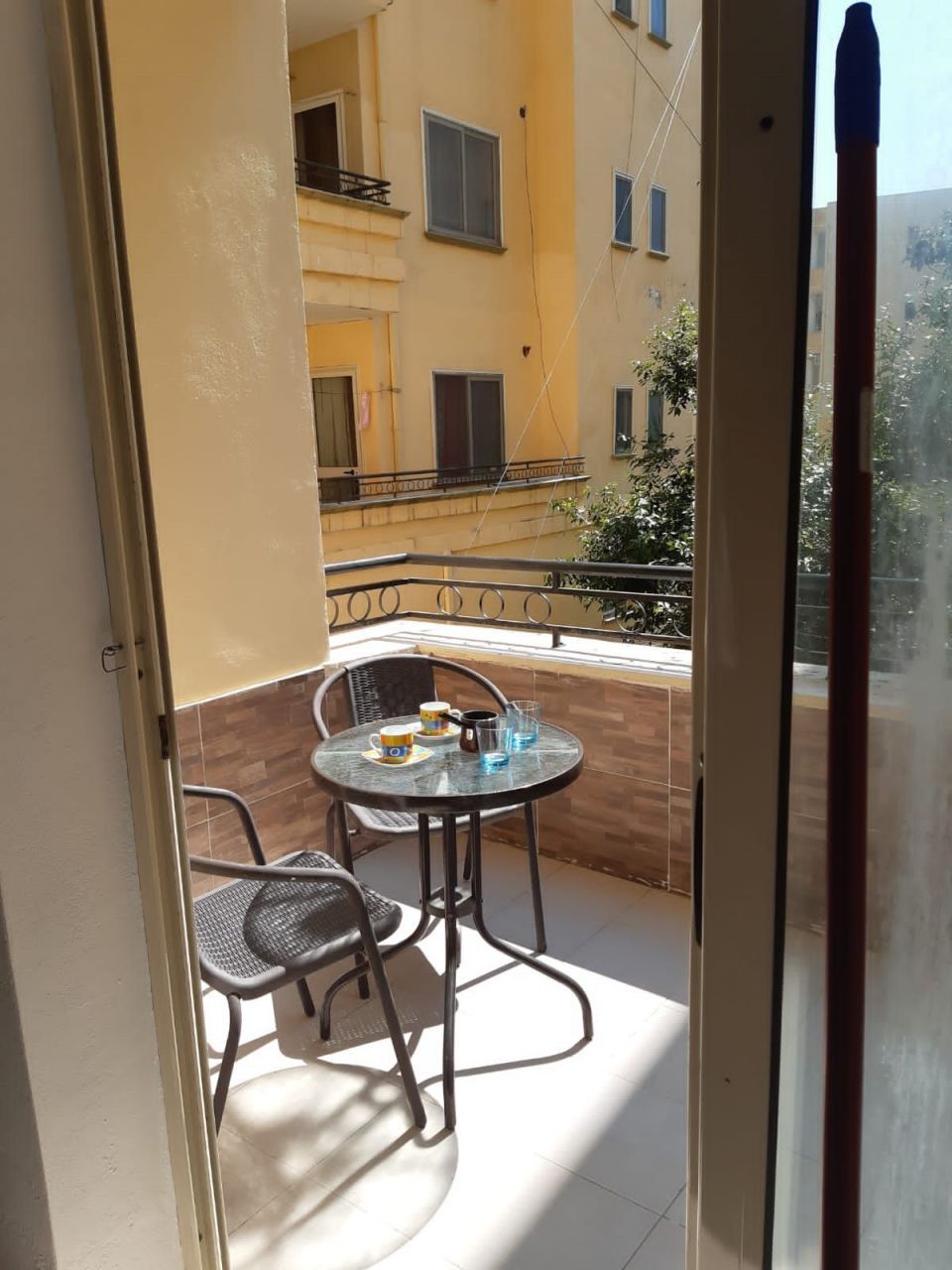
Charming studio 33.2 m² in Durres
33 m2

On request

1

41 730 $
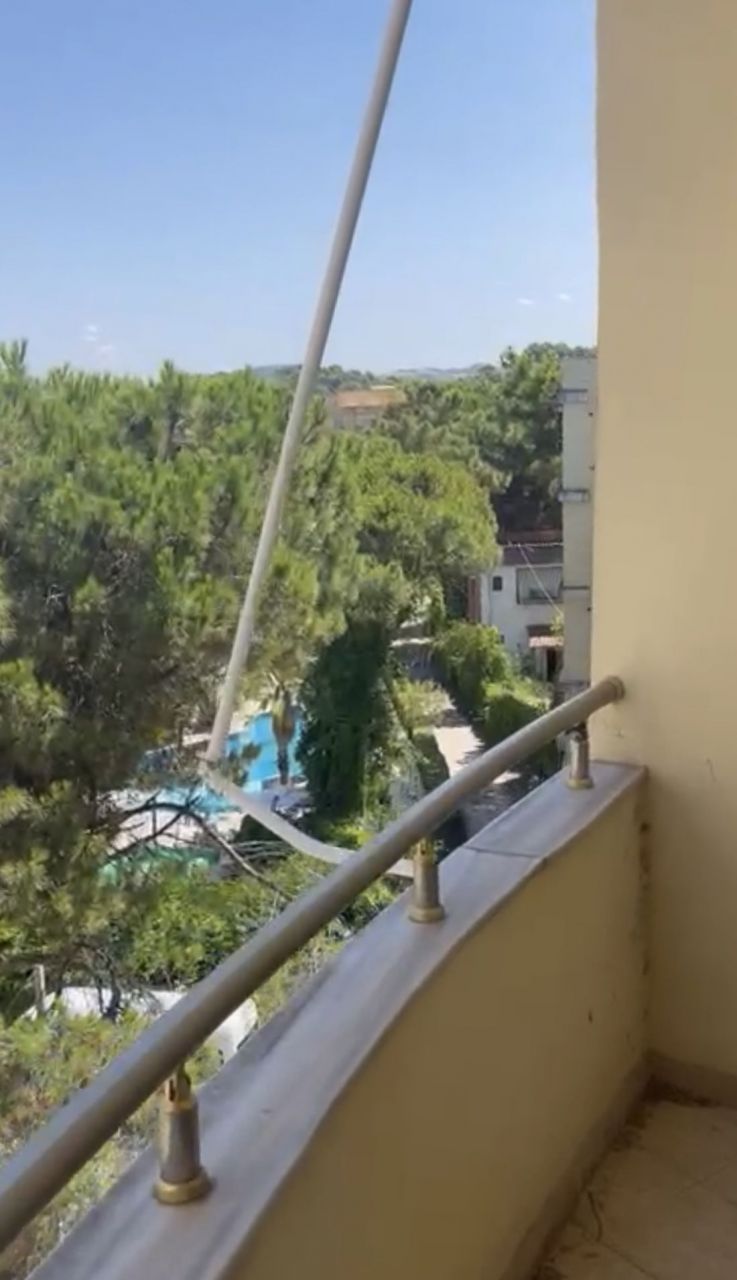
Charming apartments 37 m² in Durres
37 m2
On request
1
42 773 $
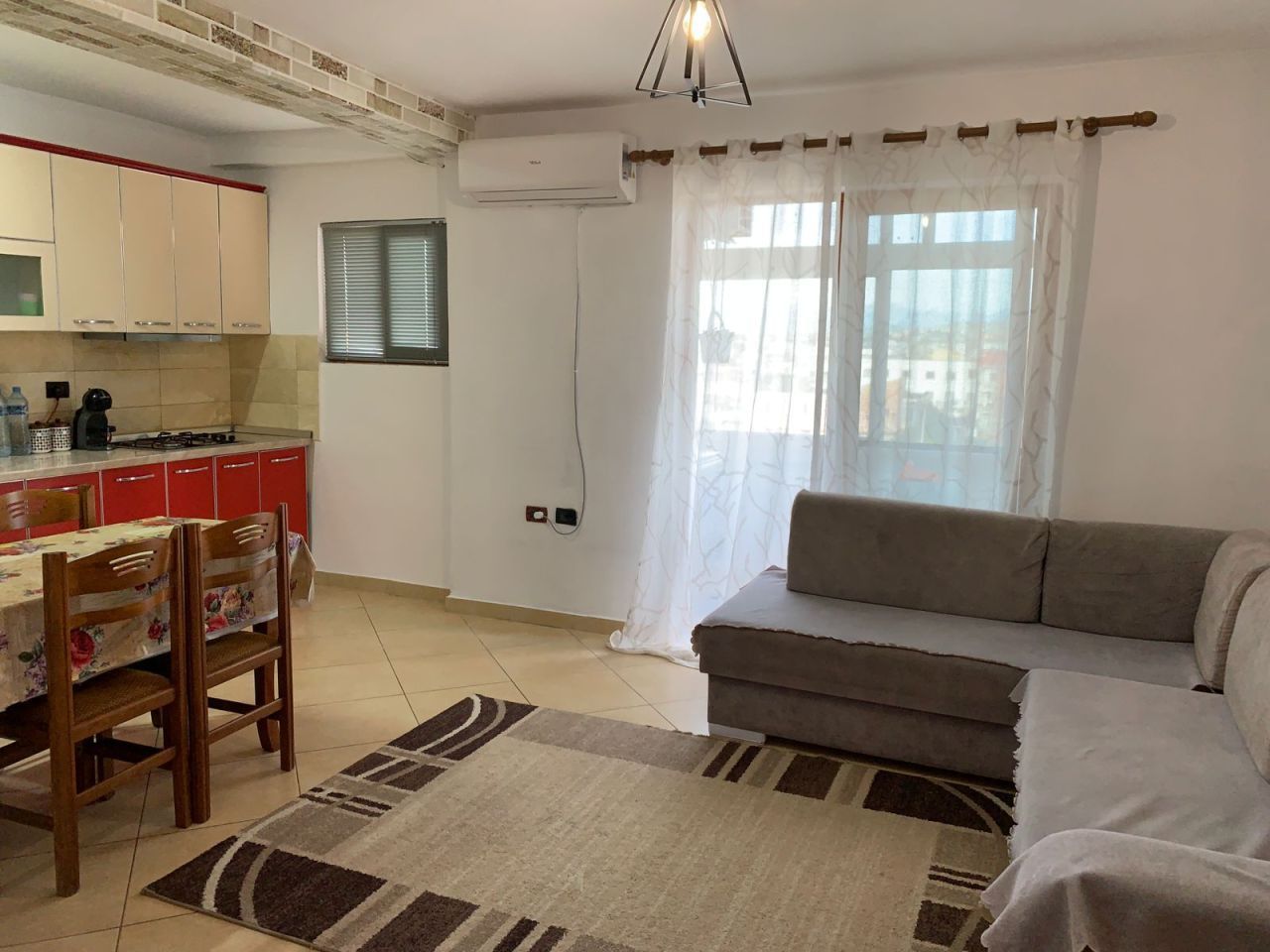
Modern apartment 62 m² in Durres
62 m2
On request
1
49 844 $
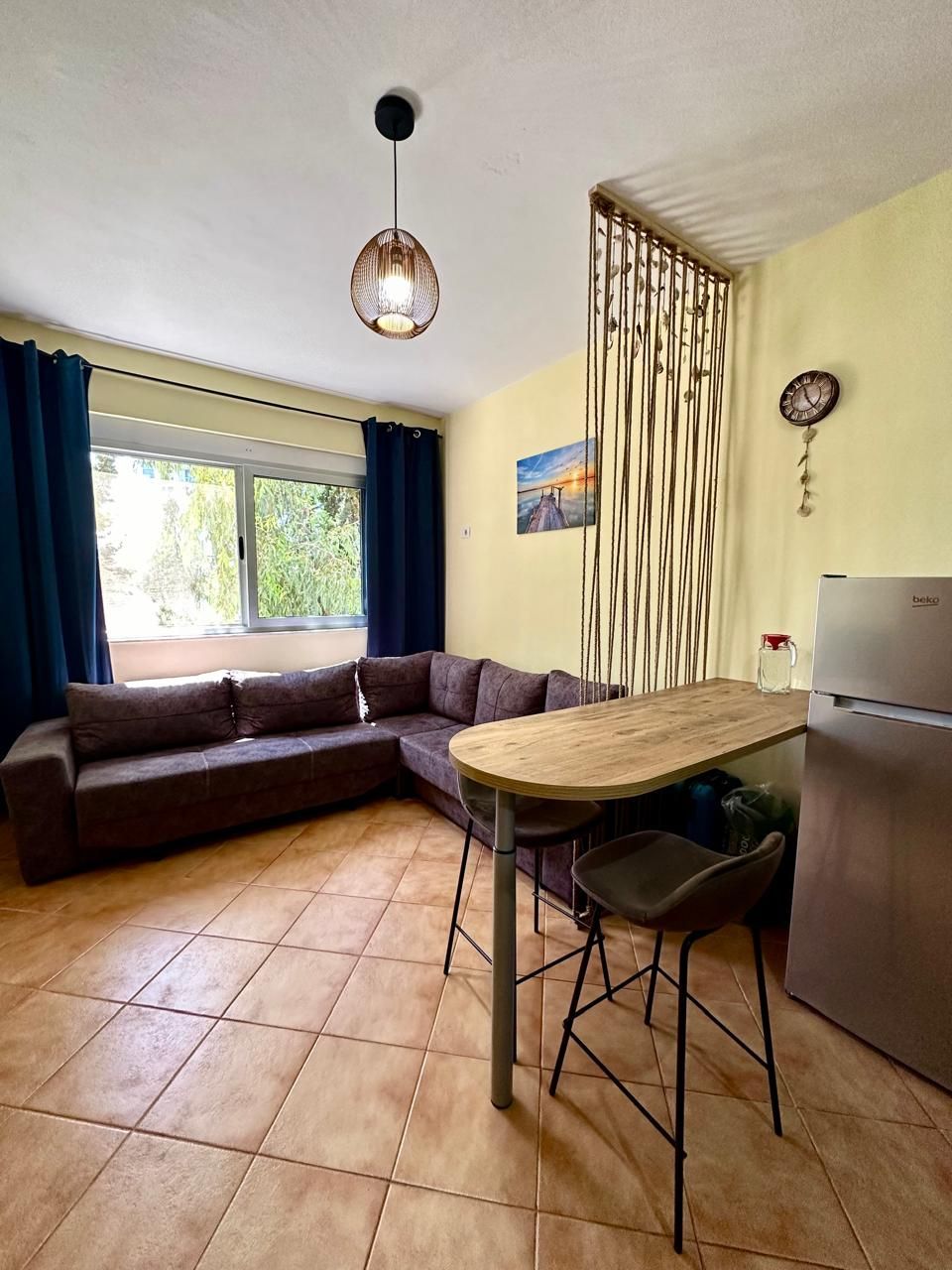
Compact apartment 29 m² in Durres
29 m2
On request
1
51 583 $

Modern studio 35 m² in Durres
35 m2
On request
1
52 162 $
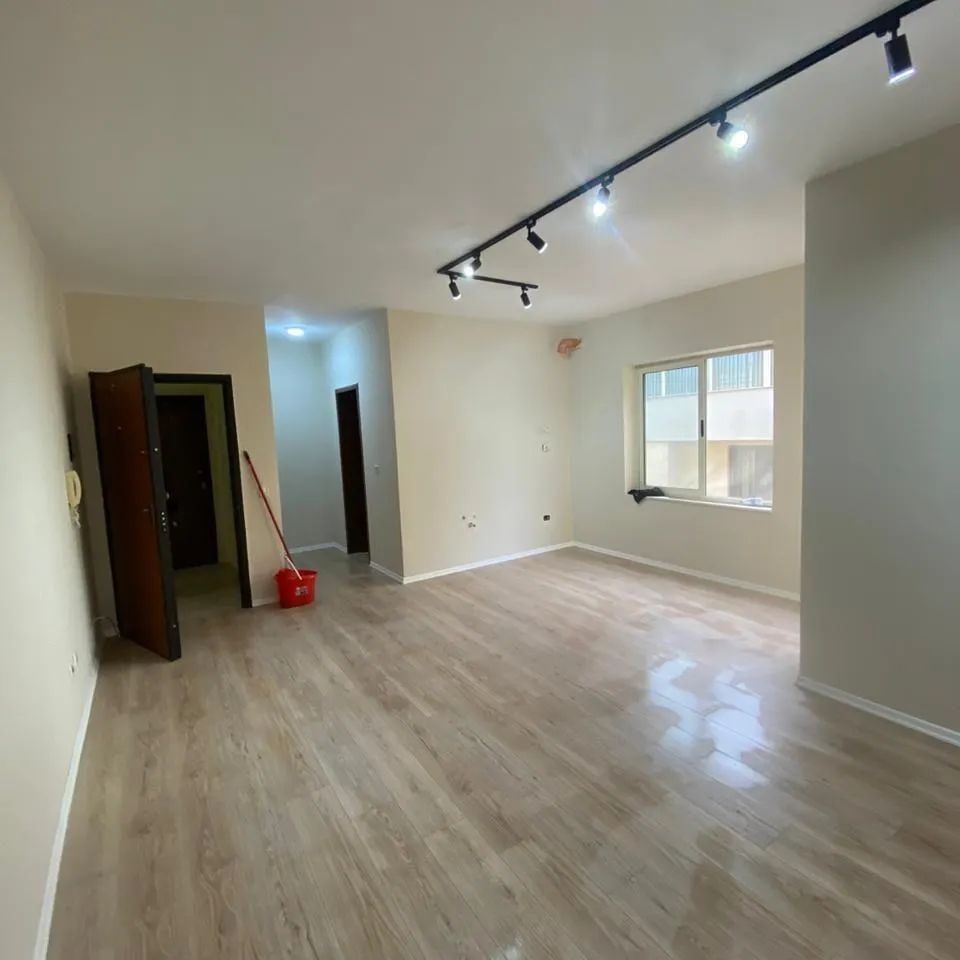
Bright apartment 44 m² in Durres
44 m2
On request
1
53 321 $
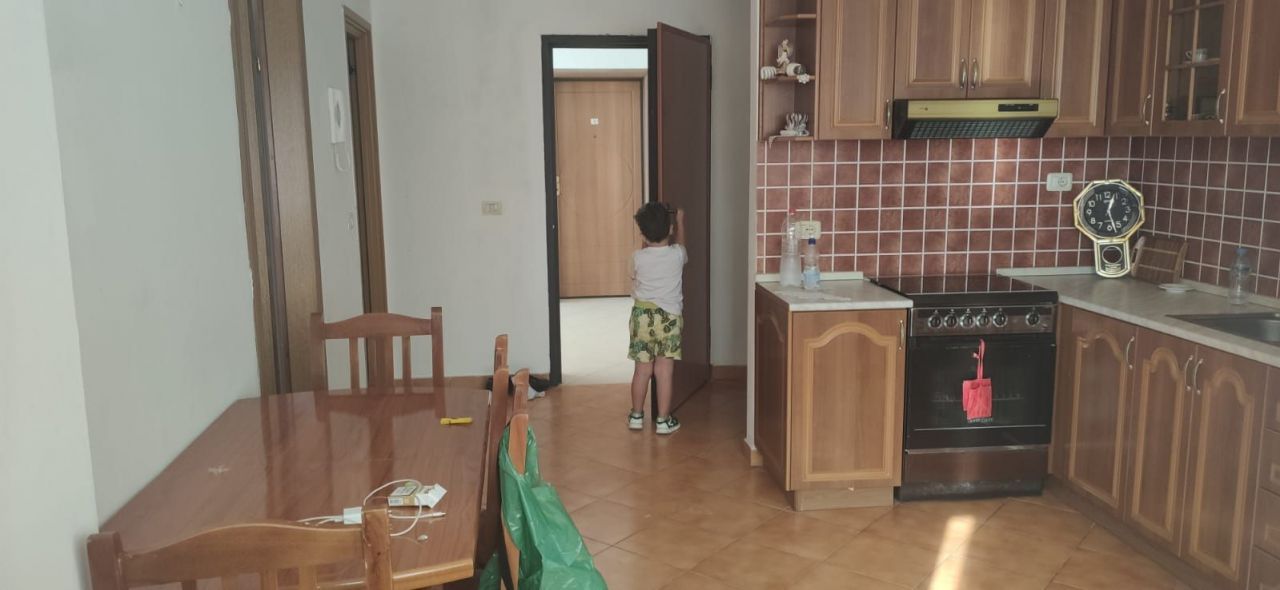
Attractive 60 m² apartment in Durres
60 m2
On request
1
56 799 $
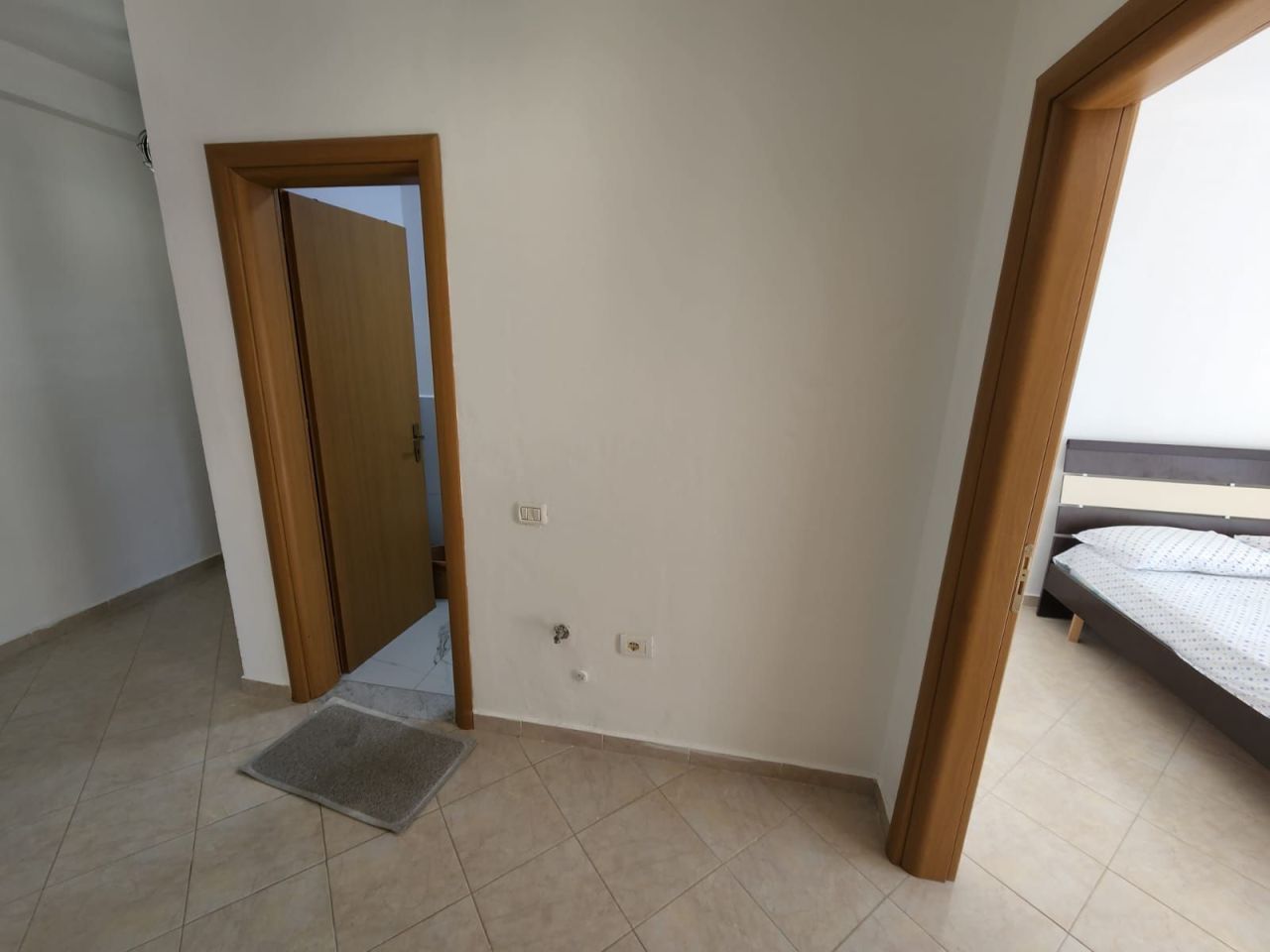
Attractive 65 m² apartment in Durres
65 m2
On request
1
60 276 $
Attractive 40 m² apartment in Durres
apartment
40 m2
On request
1
60 276 $
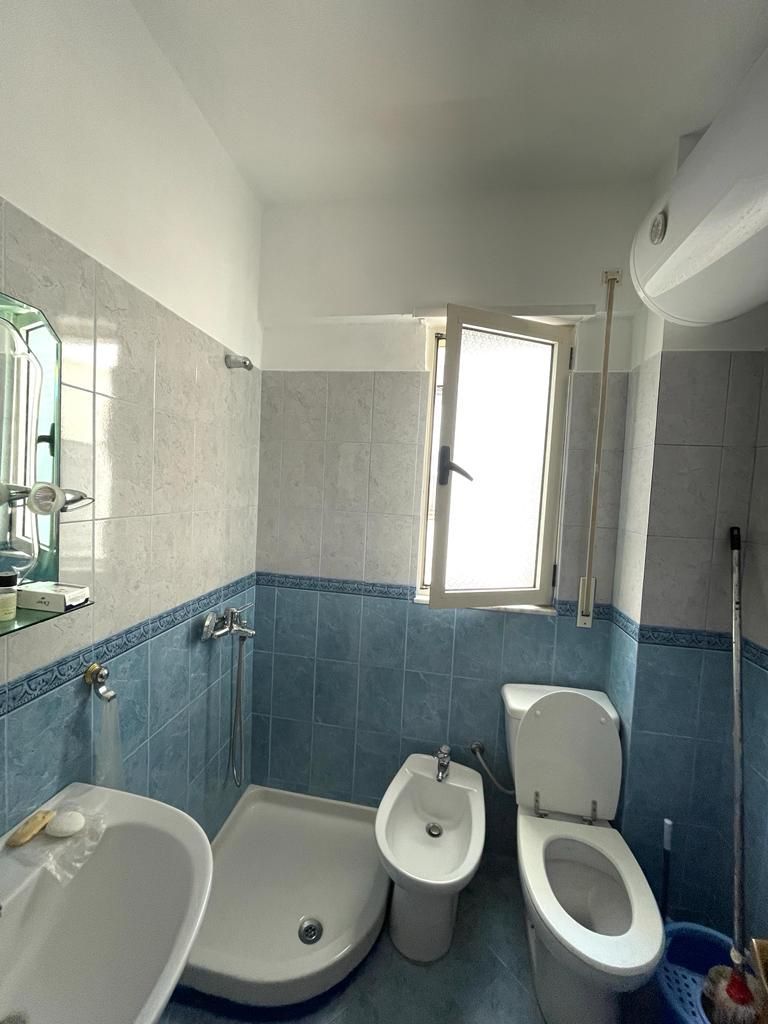
Attractive 60 m² apartment in Durres
60 m2
On request
1
62 595 $


Useful articles
and recommendations from experts
Navigating Albania's Nascent Direct Property Market
Albania's real estate landscape presents a distinctive convergence of Mediterranean accessibility and emerging market dynamics, creating unique conditions for direct buyer-seller transactions. The nation's property sector operates within a post-isolation context where traditional ownership patterns intersect with rapid modernization efforts and growing international interest. Unlike established European markets, Albania offers opportunities where direct engagement provides access to properties often unavailable through formal channels, from coastal parcels with development potential to restored stone homes in historic villages. This examination explores Albania's evolving transaction frameworks, regional variations, and strategic considerations for direct acquisitions in a market characterized by transformation and increasing transparency.
Post-transition ownership frameworks
Albania's property market continues evolving from complex post-communist restitution processes toward standardized transaction systems. The nation's distinctive history of land collectivization and subsequent privatization created layered ownership histories that direct sellers can clarify with personal knowledge unavailable in official records. While the Immovable Property Registration System provides improving transparency, many properties still involve traditional ownership understandings that benefit from direct negotiation between parties familiar with local contexts. This transitional environment creates both challenges requiring careful due diligence and opportunities for buyers capable of navigating Albania's unique property landscape through direct relationships with current owners.
Coastal transformation dynamics
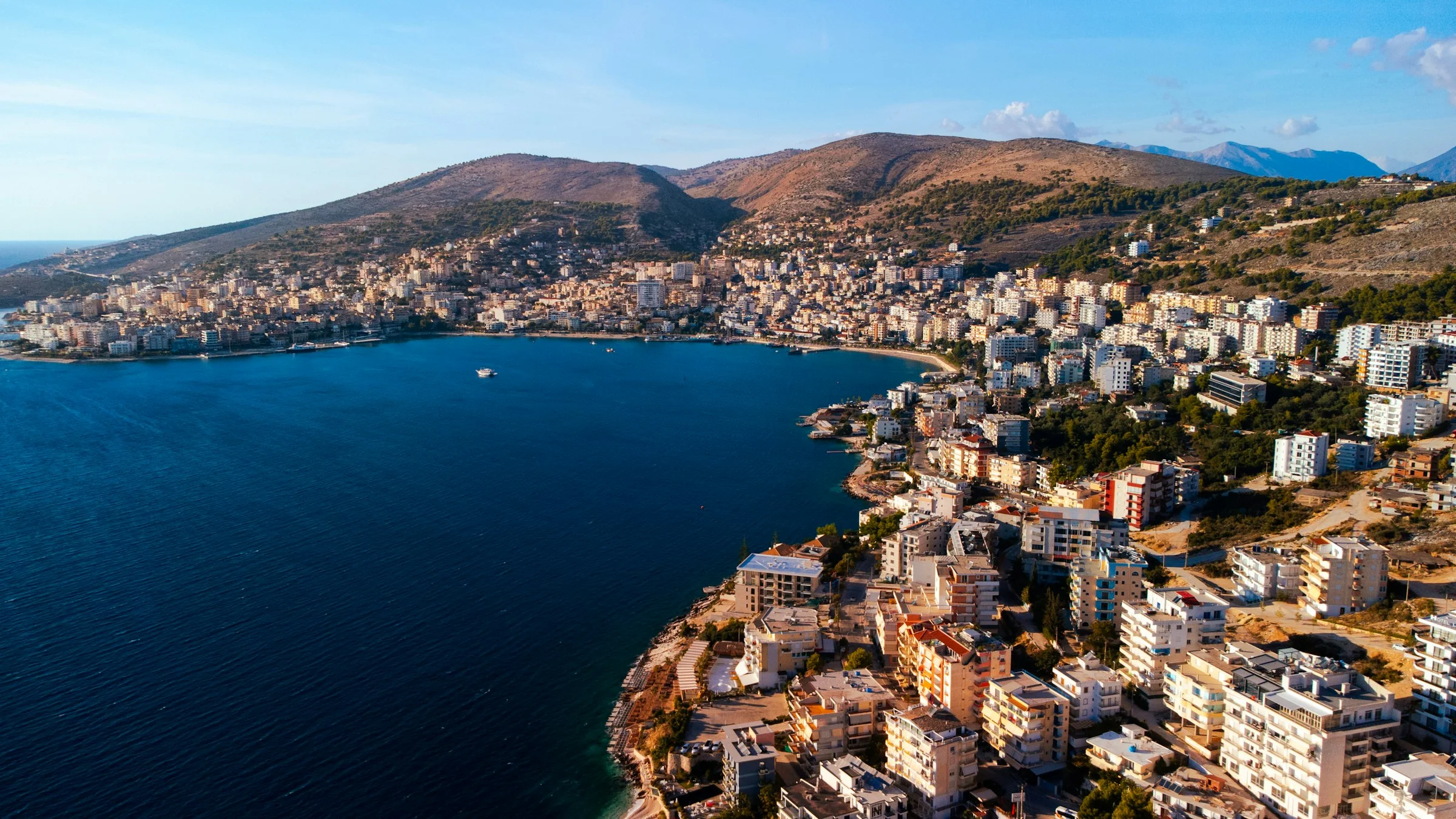
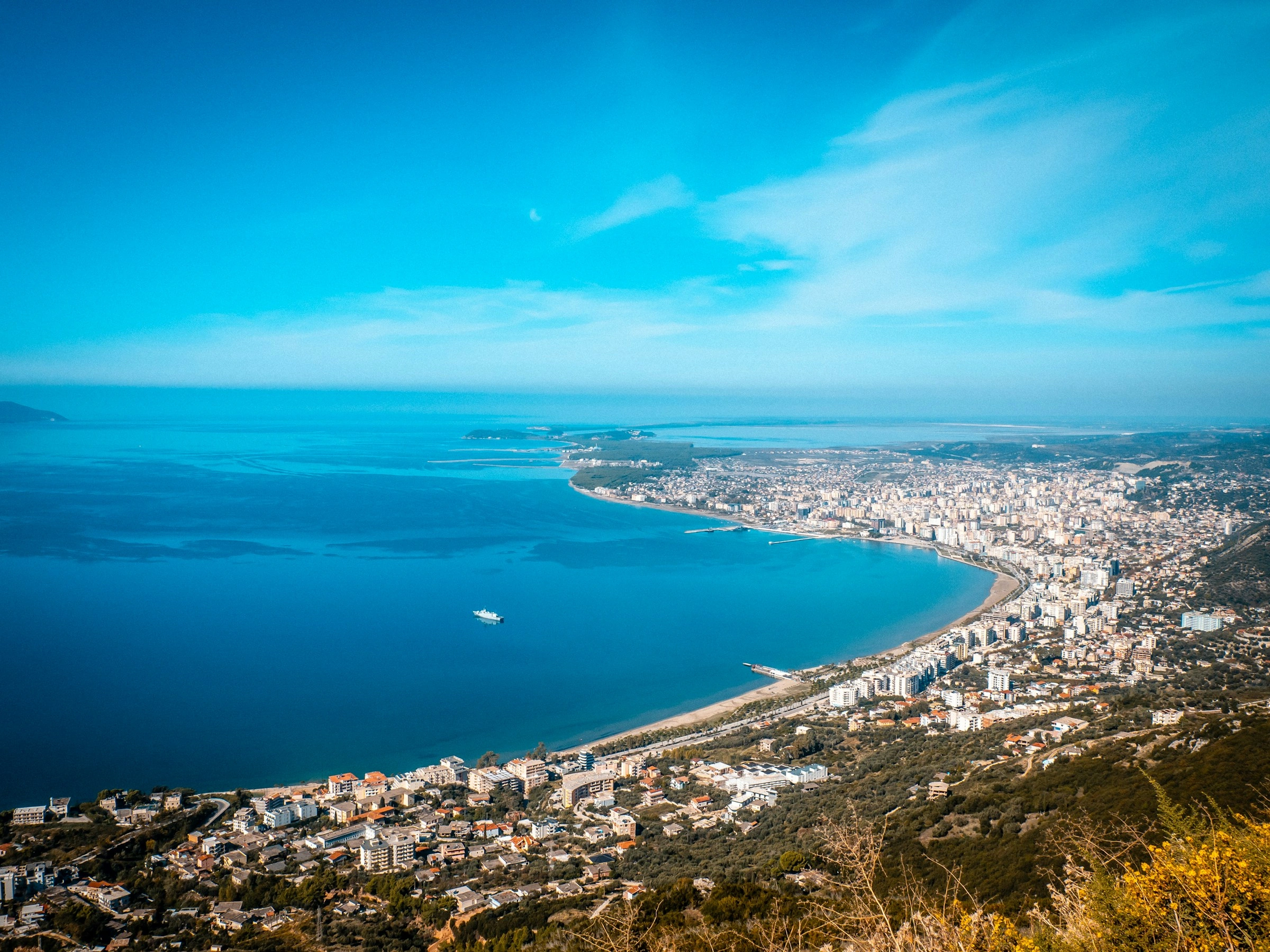
Albania's Adriatic and Ionian coastlines present rapidly evolving markets where direct purchases provide advantages in accessing emerging opportunities. The coastline's development trajectory differs significantly between established destinations like Durrës and Sarandë versus undiscovered areas between Vlorë and Himarë. Direct owners in coastal communities provide insights about infrastructure development timelines, zoning regulation changes, and tourism growth patterns that substantially affect property values. This localized knowledge proves particularly valuable when evaluating properties in areas where formal planning documentation may lag behind actual development pressures or where community dynamics influence permissible construction approaches.
Urban versus rural acquisition paradigms
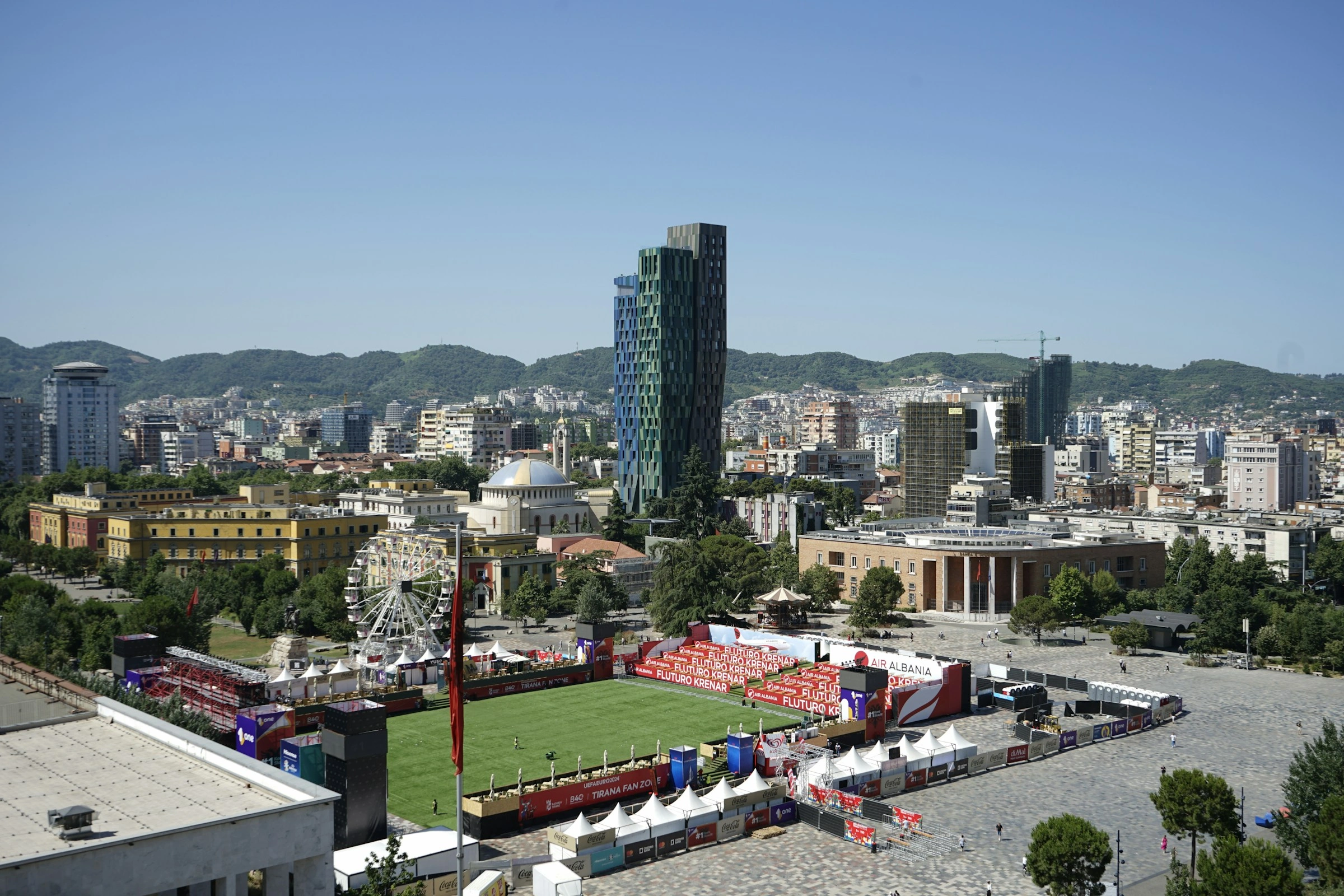
Tirana's dynamic urban market operates with different rhythms and regulations than Albania's rural regions, each presenting distinct direct purchase considerations. The capital city experiences concentrated development activity and price appreciation, with direct sales often involving renovated properties in transitioning neighborhoods. Rural acquisitions encompass everything from agricultural land in plains regions to mountainous properties with tourism potential. Each environment requires understanding specific ownership histories, development restrictions, and infrastructure limitations that local sellers can explain with authenticity. Direct communication helps bridge information gaps that might otherwise deter buyers unfamiliar with Albania's regional complexities.
Investment infrastructure development
Albania's ongoing infrastructure improvements—particularly road networks, energy reliability, and port facilities—create regional value trajectories that informed sellers understand intimately. The nation's strategic transportation corridors, including the north-south highway and east-west connections, dramatically affect property accessibility and development potential. Direct owners provide practical perspectives on how these infrastructure projects actually materialize in their specific locations, offering insights about timing, disruption periods, and ultimate accessibility improvements that affect property functionality and valuation. This ground-level understanding helps buyers assess properties in relation to Albania's modernization timeline rather than current conditions alone.
Cultural heritage property considerations
Albania's diverse architectural heritage—encompassing Ottoman-era structures, Venetian influences, and communist-period buildings—creates specialized property segments with particular preservation requirements and renovation challenges. Properties in historic centers like Berat, Gjirokastër, and Shkodër involve UNESCO considerations and restoration protocols. Direct sellers of such properties typically possess detailed knowledge about restoration techniques, material sourcing, and regulatory approvals gained through personal experience. This expertise proves invaluable for buyers considering heritage properties, providing realistic assessments of conservation requirements, timeline expectations, and appropriate renovation approaches that respect historical authenticity while ensuring modern functionality.
Agricultural and land acquisition frameworks
Rural property transactions in Albania involve understanding the nation's agricultural land privatization outcomes and current usage patterns. The conversion of former cooperative lands to private ownership created fragmentation challenges but also opportunities for consolidation. Direct sellers of agricultural properties provide insights about soil characteristics, water access rights, and local farming practices that determine land productivity and development potential. These practical considerations—combined with knowledge about European Union integration processes affecting agricultural subsidies and standards—help buyers evaluate rural properties within Albania's evolving agricultural economy rather than through simplistic per-hectare pricing metrics.
Due diligence in developing regulatory environment
Albania's property regulations continue evolving toward European standards, creating environments where direct sellers' knowledge of practical implementation proves valuable. Key considerations include verifying clean title through the Immovable Property Registration Office, confirming zoning designations, and understanding coastal zone restrictions. Direct sellers often facilitate processes by providing existing documentation and explaining local administrative practices that might differ from formal procedures. This guidance proves particularly helpful for navigating Albania's occasional discrepancies between formal regulations and practical implementation, reducing transaction uncertainties for direct buyers willing to engage with local realities.
Tourism growth trajectories and property implications
Albania's rapidly expanding tourism sector creates distinct property opportunities along coastal areas, cultural destinations, and emerging adventure tourism regions. Direct owners in tourism markets provide authentic data about seasonal demand patterns, operational experiences, and competitor activities that inform investment decisions. This operational intelligence proves more reliable than promotional tourism statistics when evaluating properties for hospitality use or vacation rental potential. Understanding Albania's tourism evolution—from backpacker destinations to developing luxury segments—helps buyers position properties appropriately within the nation's visitor economy rather than according to generic rental assumptions.
Strategic positioning in Southeast Europe's evolving market
Albania represents a distinctive position within Southeast Europe's property landscape, offering Mediterranean accessibility with emerging market dynamics. Direct acquisition approaches allow buyers to access opportunities often overlooked by conventional investment channels while establishing relationships within local communities. Successful transactions typically involve recognizing Albania's specific value propositions—whether coastal development potential, cultural heritage preservation, or strategic positioning relative to regional transportation corridors—and negotiating directly with owners who understand these assets' unique characteristics. This approach facilitates acquisitions aligned with Albania's development trajectory rather than imported property models, potentially yielding advantages as the nation's market matures and formalizes.