
Get permanent residence in LithuaniaVerified legal guidance for permanent residence
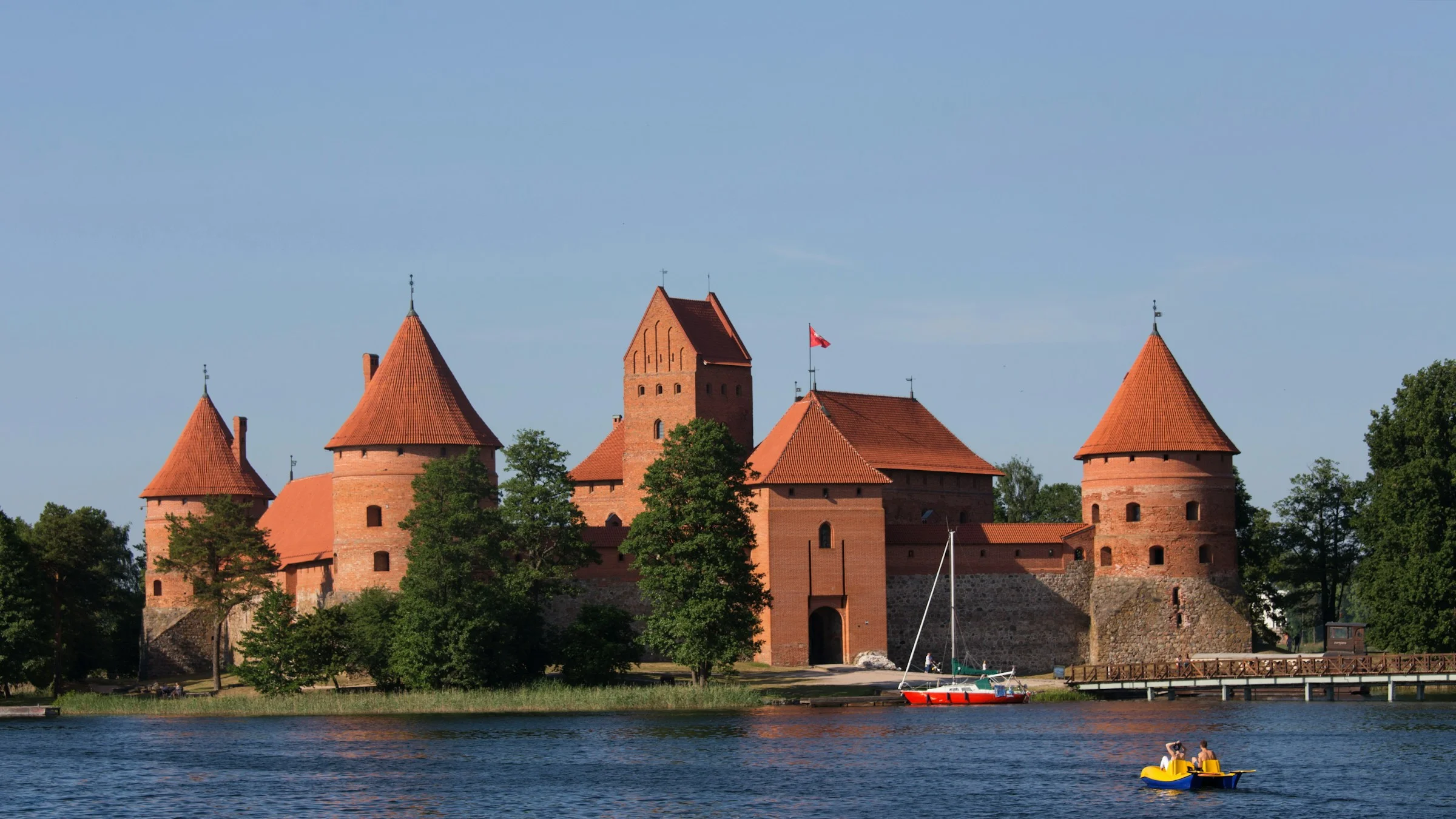
Benefits of a residence permit in Lithuania

Route fit
Lithuania usually works through temporary residence for employment, highly qualified work, studies, family reunification, or lawful activity such as self-employment, so the first task is choosing the exact ground and checking whether a mediation letter or sponsor file is required
Document chain
In Lithuania, passport identity, accommodation, health insurance, sufficient funds, and route-specific records must align, so applicants should verify translations, employer or school documents, mediation details where relevant, and exact name consistency before filing
Renewal pressure
Lithuanian cases often slow on wrong permit basis, weak employer preparation, or late renewal after facts change, so applicants should check permit expiry, employer or study changes, family-link continuity, and whether the original route still supports later permanent residence


Useful articles
and recommendations from experts
Residence permit in Lithuania - temporary residence routes and long-term stay planning
How legal residence is structured in Lithuania
Lithuania has a real residence permit framework for foreign nationals, but it does not work through one broad long-stay category for everyone who wants to move. In practical terms, lawful longer stay is built around a temporary residence permit and, later for some applicants, a permanent residence permit. This is the first practical point that matters in Lithuania. A person does not usually apply for residence in general terms. The person applies because a specific legal ground exists and can be documented clearly.
This route-based structure matters because Lithuania is highly category-sensitive. A person coming for employment, highly qualified work, studies, family reunification, lawful activity, or another recognized basis does not use the same filing logic. The strongest strategy is to identify the exact ground first and then build the document chain around that route from the beginning. If the wrong category is chosen at the start, the problem often appears later when the person tries to renew the permit, change employer, continue studies, or plan for permanent residence.
Another practical point is that Lithuania has tightened the employment-related residence system in recent years. For ordinary work-based permits, employers and mediation letters now matter more than before, and the legal route should fit the real employment structure from the start. This makes Lithuania especially process-oriented. The strongest files are the ones where the legal ground, the sponsor or institution, and the person’s actual life in Lithuania all support the same story from the beginning.
Which residence routes in Lithuania are actually relevant
The most practical residence routes in Lithuania are temporary residence for employment, temporary residence for highly qualified employment, studies, family reunification, and lawful activity such as self-employment or company-based activity. These are the categories that matter most for foreign nationals who want to remain in Lithuania lawfully for more than a short visit.
Employment is one of the strongest practical routes. Lithuania uses a work-based temporary residence system that is especially important for people whose real purpose is local employment. This route should not be treated as a broad relocation category for anyone who simply hopes to stay longer. If the real life in Lithuania will revolve around local work, the file should be structured honestly as a work case from the beginning.
Highly qualified employment is another major route. This is especially relevant for applicants whose role and salary structure fit the higher-skilled framework, including the EU Blue Card logic where that category is appropriate. This route is not interchangeable with ordinary work-based residence. It should be used only when the actual job and qualifications match it.
Study is also a major route. Lithuania offers temporary residence for foreign nationals admitted to Lithuanian research and study institutions. This is a genuine long-stay category, but it remains entirely education-based and should not be treated as a broad substitute for work or family migration.
Family reunification is another central route. It is especially important for spouses, children, and in some cases other close family members joining a person who is lawfully residing in Lithuania. This route is practical, but it is highly document-sensitive and should be built carefully from the start.
Lawful activity is also relevant in Lithuania. This route is useful for self-employed persons, company founders, or persons carrying out genuine lawful economic activity in the country. It is strongest when the commercial basis is real and documented, not simply planned in broad terms for the future.
How temporary residence permits work in Lithuania
The temporary residence permit is the practical foundation of lawful long-stay stay in Lithuania for many foreign nationals. It is not a generic title. It is granted because the person fits a specific legal ground and can show that ground clearly. That is why route choice comes before document gathering.
The practical center of gravity in a temporary residence case is the legal basis itself. A work file should look like a real work file. A highly qualified file should look like a highly qualified route. A student file should be built around real studies. A family file should be built around a genuine family link. If the route is vague or mixed, the file usually becomes weaker.
Another important practical point is that Lithuania treats renewal as a real review of whether the original basis still exists. If the person’s work, study, or family situation changes, the permit strategy should be reviewed early rather than left until the last moment. A temporary residence permit is not only about first approval. It is also about keeping the legal ground stable over time.
For long-term planning, the temporary residence permit matters because for many applicants it becomes the bridge to permanent residence later. The strongest strategy is to choose the first temporary category with enough care that it can be renewed cleanly and support the later long-term stage where that is the real objective.
How work-based residence works in Lithuania
Work-based residence in Lithuania usually begins with the correct temporary residence route and a real employer-side file. This is one of the most important practical realities in the system. A foreign national who is genuinely coming for local work should not rely on a broad private or family-style narrative and try to regularize employment later. The strongest strategy is to structure the file honestly as a work case from the start.
The practical center of gravity in a work case is not only the worker. The employer side matters heavily. Lithuania uses a mediation-letter system in many employment cases, and recent legal changes have made employer accountability much more important. A strong employee cannot fully repair a weak employer file through personal documents alone. If the company cannot support the residence route properly, the whole file becomes weaker.
Another important practical issue is continuity. Lithuania now limits how quickly some foreign workers can change employers after obtaining a temporary residence permit. That means the person should not assume that the first work approval creates fully open movement in the labor market immediately. The route remains tied to a real employment structure, and the strongest strategy is to build the first work case around a stable employer and role.
Work-based residence is also important because it can later support permanent residence planning if the person maintains lawful, continuous stay in Lithuania under the correct categories. That means work cases are strongest when they are built not only for first approval, but also for renewal and later stability.
How highly qualified employment works in Lithuania
Highly qualified employment is one of the most important routes in Lithuania for applicants whose professional profile fits the higher-skilled framework. In practical terms, this route is strongest when the applicant’s qualifications, job role, and salary structure clearly support the category. It should not be used loosely just because it sounds stronger than ordinary work-based residence.
The practical center of gravity in a highly qualified file is still the real job and the employer. A person should be able to show that the role genuinely fits the higher-skilled route. If the role is ordinary employment but the case is filed under a highly qualified route without the real supporting facts, the file weakens quickly.
Another practical point is that highly qualified residence in Lithuania can be especially useful for long-term planning because it often offers a more structured path to stable professional residence. But the strongest files are always the ones where the category matches the actual labor reality rather than a preferred label.
For continuity, this route should also be reviewed carefully if the position changes, the employer changes, or the salary and function no longer fit the original category. Lithuania rewards route honesty and precise documentation more than broad later explanations.
How study-based residence works in Lithuania
Study is a real and practical long-stay route in Lithuania, but it remains entirely education-based and should be treated that way from the first filing onward. The strongest student files are built around a genuine educational institution, a real academic plan, and a realistic support structure for living in Lithuania during the study period.
The practical center of gravity in a student file is the institution itself. The route is strongest when the person can show admission to a recognized Lithuanian research or study institution and when the educational basis remains genuine over time. A person whose actual life in Lithuania will revolve around local employment should not use the student route simply because it looks easier to explain.
Another important practical point is financial and health support. Lithuania expects a clean support structure, including sufficient means and health cover. This means a student file should be built around realistic daily life in the country rather than only around the admission document itself.
For long-term planning, a student should also think ahead about what happens after the studies end. The student route remains valid only while the academic basis remains real. Any later move into work or another residence route should be planned before the current student basis becomes fragile.
How family reunification works in Lithuania
Family reunification is one of the strongest long-stay pathways in Lithuania, but it should be handled carefully because it depends on the exact relationship and on the status of the sponsor. The practical question is not only whether a family relationship exists. The real question is whether it falls into the recognized category and whether the sponsor has the right legal position to support the application.
The strongest family cases begin with sponsor analysis. Who is the person already living in Lithuania. What temporary or permanent status do they hold. Does their category support family reunification under the law. These questions should be answered before the file is assembled. A person who starts with the marriage certificate or birth certificate alone often discovers too late that the sponsor-side records mattered just as much.
Family files are also highly document-sensitive. Marriage records, birth records, passports, proof of accommodation, and financial support records should align exactly. A genuine relationship can still become a weak immigration file if the names, dates, or legal status details do not match. This is especially important for foreign documents that may need translation and formal preparation before they become fully usable in Lithuania.
The strongest Lithuanian family files are the ones where the sponsor’s legal position is already stable and the family document chain is already clean before the application begins.
How lawful activity and self-employment work in Lithuania
Lawful activity is a real route in Lithuania for applicants whose long-term stay is based on genuine economic activity, self-employment, or a real company structure. This route is useful, but it should not be treated casually. The strongest files are the ones where the business or professional activity is already real and well documented rather than only described in future-oriented terms.
The practical center of gravity in this route is not general wealth. It is the lawful activity itself. A person who wants to use this category should be able to show what the activity is, how it will be carried out in Lithuania, and how the person will support themselves lawfully through that activity. A vague business idea is much weaker than a real and documented commercial model.
Another practical point is that lawful activity should not be used as a substitute for salaried employment. A person who is really entering Lithuania to work for an employer should use the correct work-based route rather than try to frame the stay as self-employment. Lithuania is highly route-sensitive, and category mismatch often causes more long-term difficulty than applicants expect.
For long-term planning, this category can be especially useful where the person genuinely intends to build stable activity in Lithuania. But the strongest files are always the ones where the route matches the real daily life of the applicant.
How permanent residence works in Lithuania
Permanent residence is the longer-term status that many applicants eventually want, but it is not simply a longer temporary card. In practical terms, Lithuania issues a permanent residence permit as the permit of a long-term resident of the Republic of Lithuania to reside in the European Union. This is a separate legal stage and should be planned deliberately.
The practical importance of permanent residence is that it offers much more stable long-term status than an ordinary temporary residence permit. But it is not automatic. The person should maintain lawful, continuous stay in Lithuania under qualifying categories and should preserve the real basis of residence over time. This means the first temporary category matters a great deal.
Another practical point is that not every route is equally useful for long-term planning. A person who hopes to settle in Lithuania should know from the beginning whether the first category is strong enough to support later permanent residence. The strongest long-term Lithuanian files are the ones where the first residence permit was chosen with the permanent stage already in mind.
Permanent residence also remains an administrative process with formal requirements. It should not be treated as a passive result of simply spending time in the country. The strongest permanent residence strategy is built on continuity, route honesty, and stable documentation from the beginning.
What applicants outside Lithuania should prepare before travel
People planning to move to Lithuania while living abroad should prepare in four layers. First comes route diagnosis. Second comes sponsor, employer, or institution readiness. Third comes document architecture. Fourth comes renewal and long-term planning. This order matters because many weak Lithuania files are not weak because no route exists. They are weak because the wrong category was selected or because the supporting side of the application was not ready before filing.
For work, that means checking the employer side early and confirming whether the case depends on a mediation letter or another employment support structure. For study, it means making sure the institution and financial support plan are already clear. For family routes, it means checking the sponsor’s legal status and cleaning up the civil records before submission. For lawful activity, it means ensuring that the economic activity is already real enough to support the route.
Applicants should also prepare the basic records that often appear across categories, including passport identity, accommodation proof, health insurance, and evidence of sufficient means. Identity consistency matters greatly. Passports, marriage records, diplomas, sponsor documents, and financial records should all support the same legal story. Small mismatches often create bigger delays than applicants expect.
The strongest Lithuanian files are usually built before travel rather than repaired after arrival. A move to Lithuania should be planned around the correct legal category first, with renewal and permanent residence already in view where relevant, not treated as a general arrival followed by later legal sorting.
What usually causes delay or refusal in Lithuania
The first major mistake is choosing the wrong route. A person whose real purpose is local employment uses a family or private narrative, or a student route is used for a plan that is really employment-led, or a business route is chosen without a real lawful activity structure. In Lithuania, category mismatch often creates more long-term difficulty than a missing document at the first stage.
The second major mistake is weak sponsor preparation. This is especially important in work and family files. A strong worker cannot fully repair a weak employer file, and a genuine family relationship cannot fully compensate for incomplete sponsor, accommodation, or support records. Sponsor readiness remains one of the strongest practical filters in the Lithuanian system.
The third major mistake is poor continuity planning. Applicants often focus only on first approval and forget that the legal basis should remain real throughout the permit period. A job can change, a study route can end, a family situation can weaken, or the business basis can become unclear. The strongest strategy is always to review whether the original permit ground still matches the real facts before the next filing stage begins.
Another recurring issue is weak long-term strategy. Applicants sometimes think only about the first temporary residence permit and not about whether the chosen category supports later permanent residence. In Lithuania, the strongest long-term cases are the ones where the first permit and the permanent stage were already connected in the planning phase.
How VelesClub Int. helps with residence permits in Lithuania
VelesClub Int. supports Lithuania residence planning by focusing on route selection, sponsor readiness, document consistency, and long-term continuity. The first step is to identify whether the strongest legal basis is employment, highly qualified work, studies, family reunification, or lawful activity. That early review matters because many weak Lithuania cases begin with the wrong legal framing rather than with missing paperwork.
After route selection, support can focus on checklist building, review of employer-side, institution-side, or sponsor-side records, planning for translations and route-specific formalities, analysis of whether the first category should support a later permanent residence strategy, and continuity review when work, study, family, or activity facts later change. This is especially useful in Lithuania because the strongest files are the ones where the first filing and the longer-term objective are built as one coherent legal path.
FAQ on residence permits in Lithuania
Does Lithuania have one general residence permit for all long-term stays?
No. Lithuania uses specific temporary residence grounds such as work, highly qualified work, studies, family reunification, and lawful activity, plus a separate permanent residence stage rather than one universal residence permit.
Can I work in Lithuania just because I have a long-stay residence permit?
Not safely unless the route actually supports local work. If your real purpose is employment, the stronger strategy is the correct work-based or highly qualified category from the beginning.
What is one of the biggest practical mistakes in Lithuania cases?
A common mistake is choosing a category that does not match the real purpose of stay. Another is weak employer preparation in work-based cases or weak sponsor preparation in family files.
Why is employer readiness so important in Lithuania?
Because many employment-based permits depend on employer-side compliance and mediation logic. A strong employee cannot fully repair a weak sponsor file through personal records alone.
Can a temporary residence permit in Lithuania lead to permanent residence later?
Yes. For many applicants, temporary residence is the first practical stage before permanent residence, but the chosen category should support a stable and continuous long-term route.
When is professional support especially useful in a Lithuania case?
It is especially useful when the correct category is unclear, the case depends on an employer or family sponsor, or the applicant wants the first residence route to support a later permanent residence strategy.
Residence permit in Lithuania - practical conclusion
Lithuania offers real and workable long-stay residence pathways, but the system depends on choosing the correct legal category, preparing the sponsor and applicant file carefully, and planning both renewal and long-term continuity from the beginning. Employment, highly qualified work, studies, family reunification, lawful activity, and permanent residence each solve different situations and should not be treated as interchangeable. For applicants who want to live in Lithuania lawfully and keep future options open, the strongest strategy is to identify the exact route before filing, build the file around one coherent legal basis, and plan from the start for renewal and the possible move into permanent residence later. For a structured review of your route and a free consultation on residence permits in Lithuania, contact VelesClub Int.