
Luxury Investment Real Estate in Lazio regionProperty with eternal demandnear ruins and fountains
Best offers
in Lazio
Benefits of investment in
Italy real estate


Historic Stability and Cultural Value
Italian real estate is seen as a secure asset — especially in historic centers and regions with architectural heritage.
Tax Incentives for New Residents
Italy offers favorable tax regimes, including flat-tax programs for foreign residents and real estate buyers.
Strong Rental Market in Cities and Coastal Areas
Consistent demand from tourists and students supports both short- and long-term rental income across urban and resort zones.
Historic Stability and Cultural Value
Italian real estate is seen as a secure asset — especially in historic centers and regions with architectural heritage.
Tax Incentives for New Residents
Italy offers favorable tax regimes, including flat-tax programs for foreign residents and real estate buyers.
Strong Rental Market in Cities and Coastal Areas
Consistent demand from tourists and students supports both short- and long-term rental income across urban and resort zones.








Useful articles
and recommendations from experts
Real estate in Lazio region of Italy: timeless capital with global investment appeal
Why invest in property in Lazio and Rome
As the region that hosts Italy’s capital, Lazio — and particularly the city of Rome — stands at the crossroads of history, politics, tourism, and economic influence. Rome is one of the most iconic cities in the world, offering a unique blend of ancient architecture, global institutions, and contemporary lifestyle. From an investor’s perspective, the real estate market in Rome offers long-term capital preservation, stable rental demand, and international recognition. With over 10 million annual visitors, a diverse residential base, and expanding international schools and embassies, demand for housing remains robust year-round.
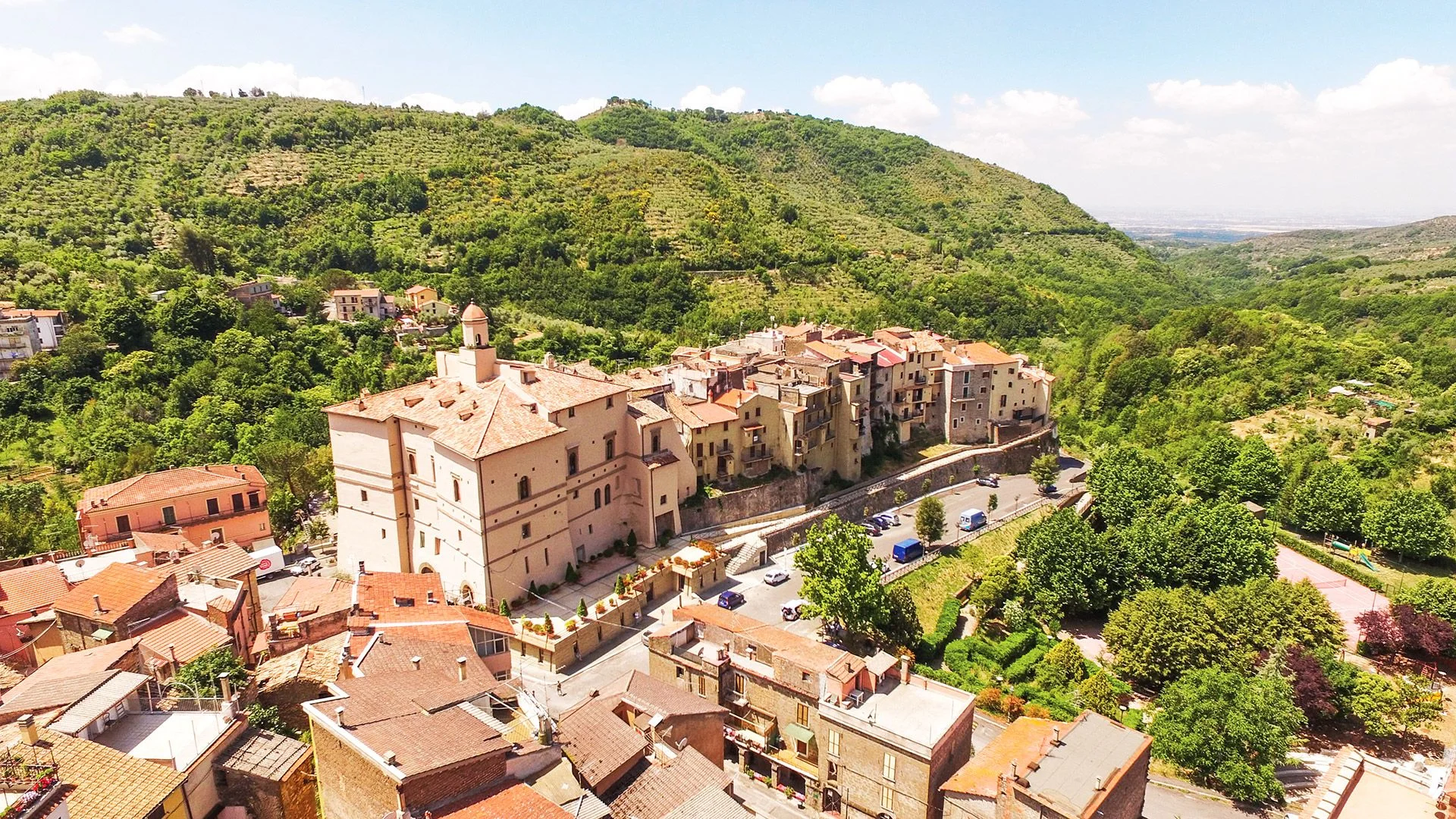
Beyond the capital, the Lazio region includes charming towns like Viterbo, Tivoli, and Frascati, offering countryside and commuter-lifestyle options. Investors can explore a wide spectrum of opportunities — from luxury apartments in the historic center of Rome to renovation projects in outer districts and villas in the scenic Alban Hills or near the Tyrrhenian coast.
Types of real estate available
The Lazio property market is highly segmented. In central Rome, buyers find centuries-old palazzos, penthouses with panoramic terraces, and apartments in classical buildings with frescoed ceilings and marble floors. Areas like Campo de’ Fiori, Trastevere, and Piazza Navona are particularly sought after for short-term rentals and lifestyle purchases. More modern options can be found in Parioli, Prati, and Monteverde — districts popular with families, diplomats, and professionals.
Outside the capital, the towns of Viterbo, Frosinone, and Latina offer smaller cities with local economies, universities, and more accessible price points. The Castelli Romani area (Frascati, Grottaferrata, Albano) provides villas, vineyards, and historic homes for those seeking tranquility close to Rome. Coastal towns like Anzio and Santa Marinella offer beachfront apartments and second-home opportunities within commuting distance of the city. Agricultural land and farmhouses (casali) are also available for those interested in agritourism or organic farming ventures.
Foreign ownership and legal aspects
There are no restrictions on foreign nationals buying real estate in Lazio or Rome. The transaction process includes obtaining a tax code (codice fiscale), drafting a preliminary agreement, and completing the sale through a notary. In historical or protected areas of Rome, extra permits may be needed for renovations or commercial use.
VelesClub Int. provides full legal and technical assistance — from title verification to notarial representation and tax optimization. We also handle due diligence for properties in Rome’s centro storico, where many buildings are under heritage protection. For short-term rental use, we assist in licensing, verifying zoning regulations, and assessing tourist permit availability, as local laws vary by district and building type.
Property prices and rental yields
Property prices in central Rome vary by neighborhood. Prestigious districts like Campo Marzio, Piazza di Spagna, and Trastevere average €7,000–€12,000/m², with premium listings reaching over €15,000/m². In Parioli, Prati, and Aventino, prices range from €4,500 to €7,000/m². Peripheral and emerging areas like San Lorenzo, Pigneto, and Garbatella offer apartments from €2,500 to €4,000/m² — often ideal for renovation or rental strategies targeting students and professionals.
Gross rental yields depend on the strategy. Short-term tourist rentals in central areas can produce 5%–9% annually, especially near landmarks and metro lines. Rome’s regulations require registration and adherence to zone limits, but legal listings perform strongly during holiday seasons and academic months. Long-term rentals for locals or expats offer 3%–5% gross return, with high stability in family-friendly districts and near embassies, universities, and international companies.
Neighborhoods and lifestyle
Rome is divided into multiple rioni (historic districts) and modern quartieri, each offering a distinct ambiance and lifestyle:
- Centro Storico (Pantheon, Piazza Navona, Campo de’ Fiori): Ideal for short-term rentals and buyers seeking historical charm.
- Trastevere: Artistic, bohemian, and very tourist-friendly — popular with creatives and international students.
- Parioli and Flaminio: Residential, elegant, and quiet — home to embassies and parks, with modern amenities.
- Prati: Walkable and sophisticated, near the Vatican and popular with professionals.
- San Lorenzo and Pigneto: Up-and-coming zones with young energy, great for student rentals and redevelopment.
Beyond Rome, the countryside offers volcanic lakes (Castel Gandolfo, Lake Bracciano), wine estates, and historic villas. Lazio’s combination of coast, forest, and hills makes it attractive for lifestyle-oriented buyers. The region benefits from two international airports, high-speed trains, and an excellent healthcare system — making it a natural choice for retirees, families, and digital nomads seeking long-term relocation.
Who buys real estate in Rome and Lazio
Rome attracts a global buyer base — from American and British second-home seekers to Middle Eastern investors, French retirees, and Italian families relocating for career or education. The city is also a major destination for diplomatic and institutional buyers due to the presence of embassies, the Vatican, the FAO, and dozens of international organizations. Many purchase property to house staff or for strategic investment in long-term stable assets.
In suburban and rural Lazio, buyers include Roman residents looking for weekend retreats, retirees from northern Europe, and agritourism investors. The affordability of Lazio compared to Tuscany or Umbria makes it a compelling alternative for buyers seeking space, greenery, and historic charm — without sacrificing access to a capital city.
How VelesClub Int. helps you
VelesClub Int. supports investors, families, and lifestyle buyers throughout their journey in Rome and Lazio. We begin with strategic consultation and location analysis, offering curated listings based on your objectives — income generation, relocation, heritage, or value-add projects. Our legal team manages title review, zoning checks, fiscal structuring, and residency planning where relevant.
For investors, we assess licensing potential, model cash flow for short- or long-term rentals, and assist in securing renovation permits or restoration tax incentives. Our team handles contractor coordination, architectural planning, and post-acquisition property management — including seasonal leasing and tenant placement.
Whether you're buying an apartment in Trastevere, a villa near Lake Bracciano, or a building for redevelopment in San Lorenzo, VelesClub Int. ensures that your investment in Lazio is strategic, transparent, and fully supported from start to finish.