
Vacation Rental Investments in La PazHousing wrapped in hillsplazas, and cableways
Best offers
in La Paz
Benefits of investment in
Bolivia real estate


Urban momentum in Santa Cruz and La Paz
These fast-growing cities combine rising local demand with some of the lowest entry prices in Latin America — ideal for residential buyers and small developers.
Open access and full ownership for foreigners
Bolivia offers one of the most accessible legal frameworks in the region: no restrictions, low bureaucracy, and clear property rights for international investors.
Nature-backed opportunities outside the spotlight
From the shores of Lake Titicaca to fertile valleys and scenic highlands, undeveloped lands offer space for eco-living, tourism, or long-view land banking.
Urban momentum in Santa Cruz and La Paz
These fast-growing cities combine rising local demand with some of the lowest entry prices in Latin America — ideal for residential buyers and small developers.
Open access and full ownership for foreigners
Bolivia offers one of the most accessible legal frameworks in the region: no restrictions, low bureaucracy, and clear property rights for international investors.
Nature-backed opportunities outside the spotlight
From the shores of Lake Titicaca to fertile valleys and scenic highlands, undeveloped lands offer space for eco-living, tourism, or long-view land banking.








Useful articles
and recommendations from experts
Real Estate in La Paz, Bolivia
Why Invest in Property in La Paz
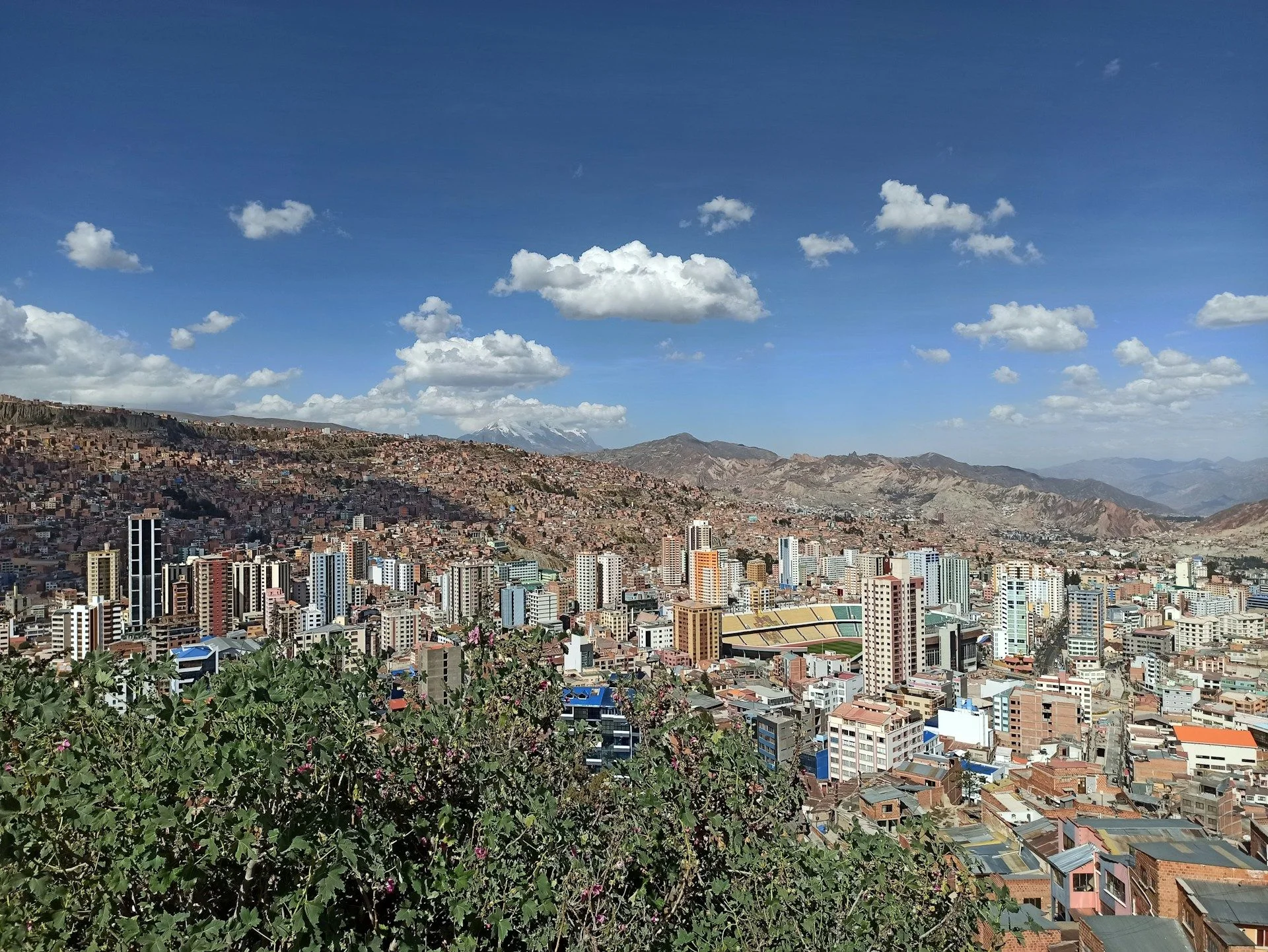
La Paz, Bolivia’s administrative capital and cultural heart, sits high in the Andes at over 3,600 meters above sea level. With a unique topography, growing international interest, and strong domestic demand, La Paz offers real estate investors an affordable yet dynamic market. From historic neighborhoods and commercial zones to suburban growth corridors, the city blends heritage with opportunity for both residential and business investments.
Types of Properties in La Paz
The city offers a variety of real estate types suited to different investment profiles:
- Apartments in the central zone — Especially in Sopocachi, Miraflores, and San Pedro, popular with professionals and students.
- Detached homes in Zona Sur — Including residential areas like Calacoto, Achumani, and Obrajes, preferred by families and diplomats.
- Commercial units — Offices and retail spaces in El Prado, downtown, and Avenida Arce.
- Land plots for development — Available on the city’s expanding southern and hillside edges.
- Colonial and historic buildings — Often repurposed into boutique hotels or institutional spaces.
Legal Ownership and Foreign Investment
Bolivian real estate law grants foreigners the same property rights as locals, with few limitations:
- Full private ownership of land and buildings is allowed for foreigners.
- Restrictions only apply to properties within 50 km of international borders (La Paz is not affected).
- Properties must be registered with Derechos Reales (Office of Property Rights) to ensure legal title.
- Buyers should verify title, zoning, and taxes with the help of a notary or real estate attorney.
Prices and Property Trends
La Paz offers affordable property prices compared to other Latin American capitals:
- 1-bedroom apartment (Sopocachi): $40,000 – $70,000
- 3-bedroom house in Zona Sur: $90,000 – $180,000
- Luxury apartment (Calacoto): $150,000 – $300,000
- Commercial space (El Prado): $1,000 – $2,500 per m²
- Land plots (Mallasa or outskirts): $30 – $100 per m²
Rental Market and Yields
La Paz has a consistent rental demand from:
- University students and young professionals — Renting apartments in central and mid-range districts.
- Diplomats and NGO workers — Favoring upscale areas like San Miguel and Achumani.
- Small businesses — Requiring commercial space in central zones.
- 1-bedroom apartment: $200 – $400/month
- 3-bedroom home in Zona Sur: $600 – $1,200/month
- Retail unit (El Prado): $700 – $2,000/month
Best Areas for Property Investment
Key zones in La Paz for real estate purchases include:
- Sopocachi — A lively central area near universities, embassies, and cultural institutions.
- Calacoto and Achumani — Affluent southern neighborhoods with secure housing and modern amenities.
- Miraflores — A dense, urban zone with hospitals, schools, and mixed-use buildings.
- El Prado and Central La Paz — Commercial districts with demand for offices, shops, and services.
- Mallasa and Aranjuez — Growing suburban areas offering green space and land for development.
Buying Property in La Paz: Steps and Fees
The property acquisition process includes:
- Search and negotiation — Through agents, classified platforms, or local contacts.
- Due diligence — Verification of title, taxes, and legal zoning status.
- Contract signing (minuta) — Executed before a notary with proof of payment.
- Title registration — With Derechos Reales to formalize ownership.
- Legal fees and notary: 2% – 4%
- Property transfer tax: ~3%
- Municipal fees and stamp duties: $300 – $700 depending on value
Taxes and Ownership Costs
Property investors in La Paz must consider:
- Annual property tax — Usually 0.5% – 1% of cadastral value
- Rental income tax — 13%, but reduced through deductible expenses
- Capital gains tax — Generally low and often informal in resale transactions
Who Should Invest in La Paz
La Paz is ideal for:
- Long-term investors — Seeking affordable real estate in a stable legal system with gradual growth.
- Landlords — Targeting university students, NGOs, and middle-class renters.
- Commercial property buyers — Opening offices or retail in government and tourism zones.
- Developers — Building apartments or services in southern expansion districts.
Conclusion
La Paz offers a unique real estate opportunity in South America — a capital city with deep culture, growing infrastructure, and legal access for foreigners at a relatively low price. Whether you're seeking rental yields, business space, or family housing, La Paz’s neighborhoods offer diversity, demand, and long-term potential for appreciation in Bolivia’s complex yet rewarding urban landscape.