
Bangladesh Real Estate for Investment – Opportunities for BuyersDensely populated countrywith growing urban zones
Popular
cities and regions in Bangladesh
Best offers
in Bangladesh
Benefits of investment in
Bangladesh real estate

Urban expansion driving residential demand
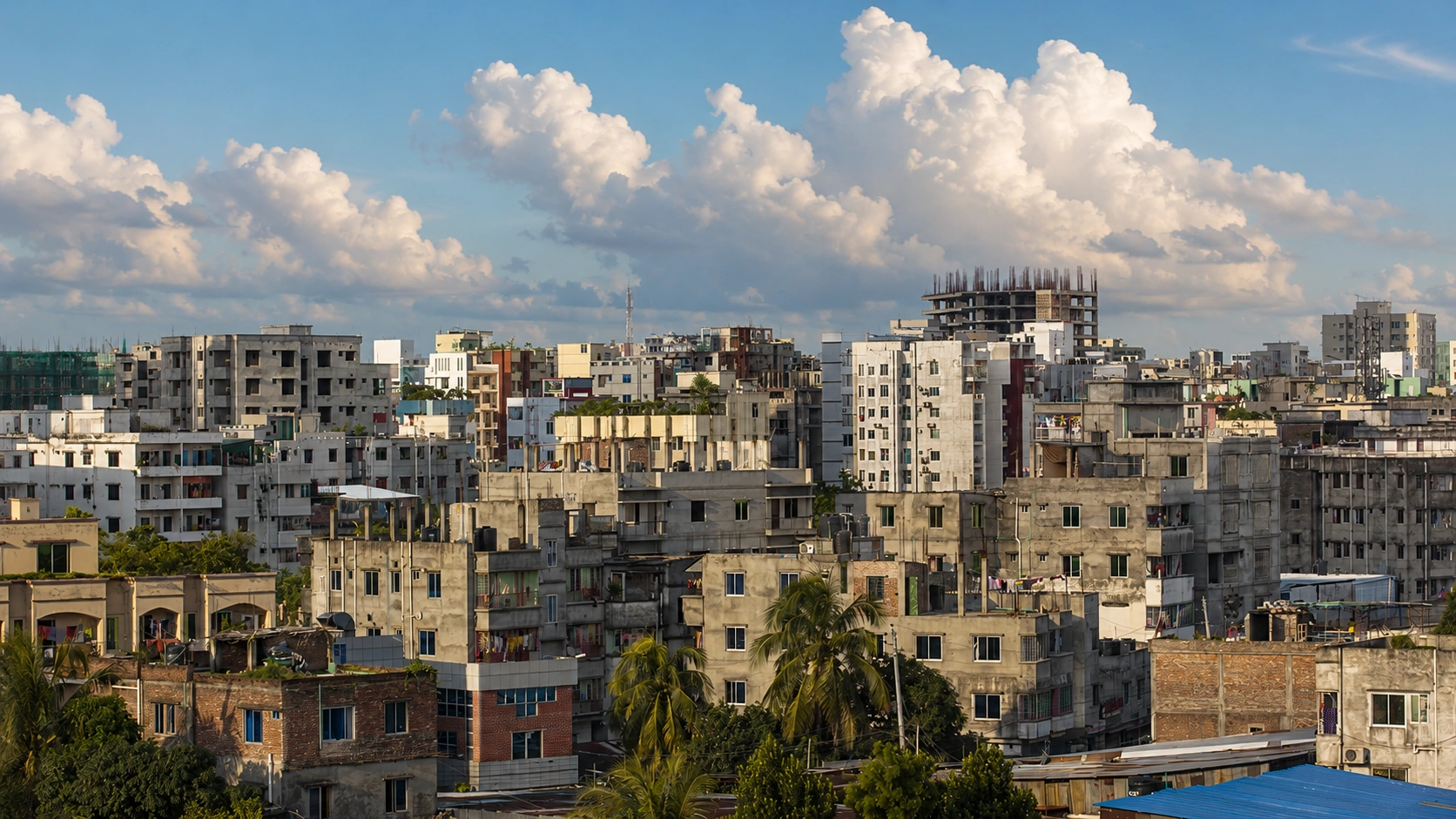
Dhaka continues to expand with infrastructure growth and middle-class housing needs.
Affordable entry into a growing market
Local pricing remains accessible while construction quality and amenities steadily improve.
Strong domestic demand in key cities
Rental demand is driven by a young, growing population seeking housing in urban zones.
Urban expansion driving residential demand
Dhaka continues to expand with infrastructure growth and middle-class housing needs.
Affordable entry into a growing market
Local pricing remains accessible while construction quality and amenities steadily improve.
Strong domestic demand in key cities
Rental demand is driven by a young, growing population seeking housing in urban zones.


Useful articles
and recommendations from experts
Real Estate in Bangladesh: Growing Urban Demand in a Densely Populated Market
Why Invest in Property in Bangladesh
Bangladesh, one of the fastest-growing economies in South Asia, presents a unique real estate investment environment marked by rapid urbanization, strong demand for housing, and expanding infrastructure. As Dhaka and Chittagong continue to grow into major urban and industrial hubs, the country’s property market is becoming increasingly attractive to local developers and institutional investors. While foreign direct investment in real estate is restricted, opportunities exist through partnerships, REITs, and strategic corporate structures. High population density and a growing middle class support demand for residential and commercial developments, particularly in major cities.
Types of Real Estate and Permitted Uses
The Bangladesh real estate market offers a variety of asset types, particularly in urban regions:
- Residential Apartments: Most prevalent in Dhaka, these range from mid-range flats in suburban areas to upscale units in Gulshan and Banani.
- Detached Houses: Less common in central Dhaka but available in suburban zones and smaller cities.
- Commercial Properties: Office spaces, retail units, and business centers are in demand in major business districts like Motijheel (Dhaka) and Agrabad (Chittagong).
- Industrial Land: Factories and warehouses are expanding near Export Processing Zones (EPZs) and along key transport corridors.
- Mixed-Use Developments: Large-scale gated communities and commercial-residential complexes are gaining popularity among developers.
Ownership Rules and Foreign Investment
The legal framework for property ownership in Bangladesh is complex, especially for foreign individuals and entities:
- Citizens: Bangladeshi nationals can own property without restriction.
- Foreign Individuals: Direct ownership of land or real estate is restricted. However, foreign entities can lease property for commercial or industrial use under certain conditions.
- Joint Ventures: Foreigners can invest in real estate projects through partnerships with local developers, subject to government approval.
- Long-Term Leases: Leasehold arrangements up to 99 years are available for industrial and commercial property under the Bangladesh Investment Development Authority (BIDA).
- Title System: Ownership documents must be verified carefully, as disputes and unclear titles are common. Legal due diligence is essential.
Property Prices and Market Trends
Prices in Bangladesh vary widely depending on city, neighborhood, and property type. Urban centers like Dhaka and Chittagong are the most expensive:
| Location | Average Apartment Price per m² (USD) | Rental Yield Estimate |
|---|---|---|
| Dhaka – Gulshan / Banani | $1,100 – $1,600 | 5%–6% |
| Dhaka – Mirpur / Uttara | $600 – $900 | 6%–8% |
| Chittagong – Agrabad | $700 – $1,000 | 5%–7% |
| Khulna / Rajshahi | $300 – $600 | 4%–6% |
Price growth has been relatively steady over the past decade due to high demand and a shortage of urban land. However, challenges in registration, finance access, and legal transparency continue to affect liquidity and confidence.
Rental Market and Yields
Rental yields are moderate and often tied to local income levels and tenant reliability:
- Mid-Range Apartments: In neighborhoods like Dhanmondi and Bashundhara, long-term rental yields range from 5% to 7% gross annually.
- Luxury Units: Premium apartments in Gulshan or Banani may yield slightly lower (4%–5%) due to higher capital costs.
- Commercial Units: Office buildings in central business districts yield 6%–8% depending on tenancy.
- Student and Worker Housing: Units near universities or industrial zones have stable demand and returns.
Rental contracts are typically for 11 months to 1 year and must be registered with the local authority. Rents are usually paid monthly in advance.
Key Investment Locations
Bangladesh's urban growth is concentrated in a few core locations:
- Dhaka: The capital city and real estate hub. Gulshan, Banani, Baridhara, and Bashundhara are prime residential zones. Mirpur and Uttara offer more affordable housing and rapid development.
- Chittagong (Chattogram): The country's key port city. Residential and commercial expansion is active in Nasirabad and Halishahar.
- Khulna: A regional city with industrial development and emerging residential demand.
- Savar and Gazipur: Industrial growth areas around Dhaka, known for garment factories and logistics operations.
- Cox’s Bazar: Tourism-oriented development along the world’s longest natural beach, including hotels and resorts.
Taxes and Transaction Costs
Property transactions in Bangladesh involve several taxes and fees:
- Stamp Duty: 3% to 4% of the property value, depending on region.
- Registration Fee: 1% to 2% of the deed value.
- Value Added Tax (VAT): 1.5% to 5% may apply on developer sales.
- Gain Tax: Capital gains are taxed if the property is sold within 5 years of purchase.
- Holding Tax: Annual municipal property tax, usually 7%–10% of rental value.
Most payments are made in Bangladeshi Taka (BDT), and legal fees for due diligence and registration are typically 1%–2% of the property value.
Infrastructure and Urban Development
Bangladesh is investing heavily in transport, power, and housing infrastructure:
- MRT Project (Dhaka Metro): Mass rapid transit lines under construction are set to ease congestion and increase property values along key corridors.
- Smart Cities: Initiatives in Purbachal and other satellite towns aim to create planned urban environments with modern amenities.
- Special Economic Zones (SEZs): Designed to attract industrial development and logistics investment, SEZs around Dhaka, Chittagong, and Mirsarai are boosting demand for real estate nearby.
- Airport and Port Expansion: Upgrades to Shahjalal International Airport and the port of Chittagong improve logistics and business connectivity.
Risks and Legal Considerations
Despite strong demand, investors should be aware of certain risks:
- Land Ownership Complexity: Multiple claims, inheritance issues, and unclear titles are common. Legal verification is essential.
- Restrictions on Foreigners: Direct ownership is prohibited; only indirect investment through partnerships is possible.
- Political and Regulatory Volatility: Changes in government policy or local enforcement can delay projects or affect valuations.
- Natural Disasters: Flooding, cyclones, and poor drainage systems can impact lower-lying properties.
Alternatives for Foreign Investors
While direct property ownership is restricted, alternative pathways include:
- Joint Ventures: Partnering with a local developer or entity to co-develop residential or commercial projects.
- Industrial Leasing: Foreign firms can lease industrial land or factory premises in BIDA-approved zones.
- REITs (Proposed): The Bangladesh Securities and Exchange Commission is exploring the introduction of Real Estate Investment Trusts for institutional participation.
Conclusion: A Dynamic but Regulated Market
Bangladesh’s real estate sector offers significant growth potential driven by demographics, industrialization, and urban development. However, regulatory limitations and legal complexity require caution, especially for foreign investors. For locals and institutional entities, Dhaka and Chittagong present strong returns and long-term capital appreciation. Foreign participation is possible through structured investments, making Bangladesh a viable — albeit challenging — frontier market for real estate.