
Greenfield Investment Real Estate in LagosHomes between global rhythmand local culture
Best offers
in Lagos
Benefits of investment in
Nigeria real estate


Africa’s business capital with property momentum
Lagos and Abuja lead West Africa in commercial growth, and their residential markets show rising demand from both locals and returnee investors.
Expanding middle class drives housing upgrades
As incomes grow, demand shifts toward modern gated communities and well-serviced apartments in secure neighborhoods.
Strong local ownership culture
Real estate is a key wealth-preservation tool in Nigeria, with high priority given to property investment across income groups.
Africa’s business capital with property momentum
Lagos and Abuja lead West Africa in commercial growth, and their residential markets show rising demand from both locals and returnee investors.
Expanding middle class drives housing upgrades
As incomes grow, demand shifts toward modern gated communities and well-serviced apartments in secure neighborhoods.
Strong local ownership culture
Real estate is a key wealth-preservation tool in Nigeria, with high priority given to property investment across income groups.








Useful articles
and recommendations from experts
Real Estate in Lagos, Nigeria
Why Invest in Property in Lagos
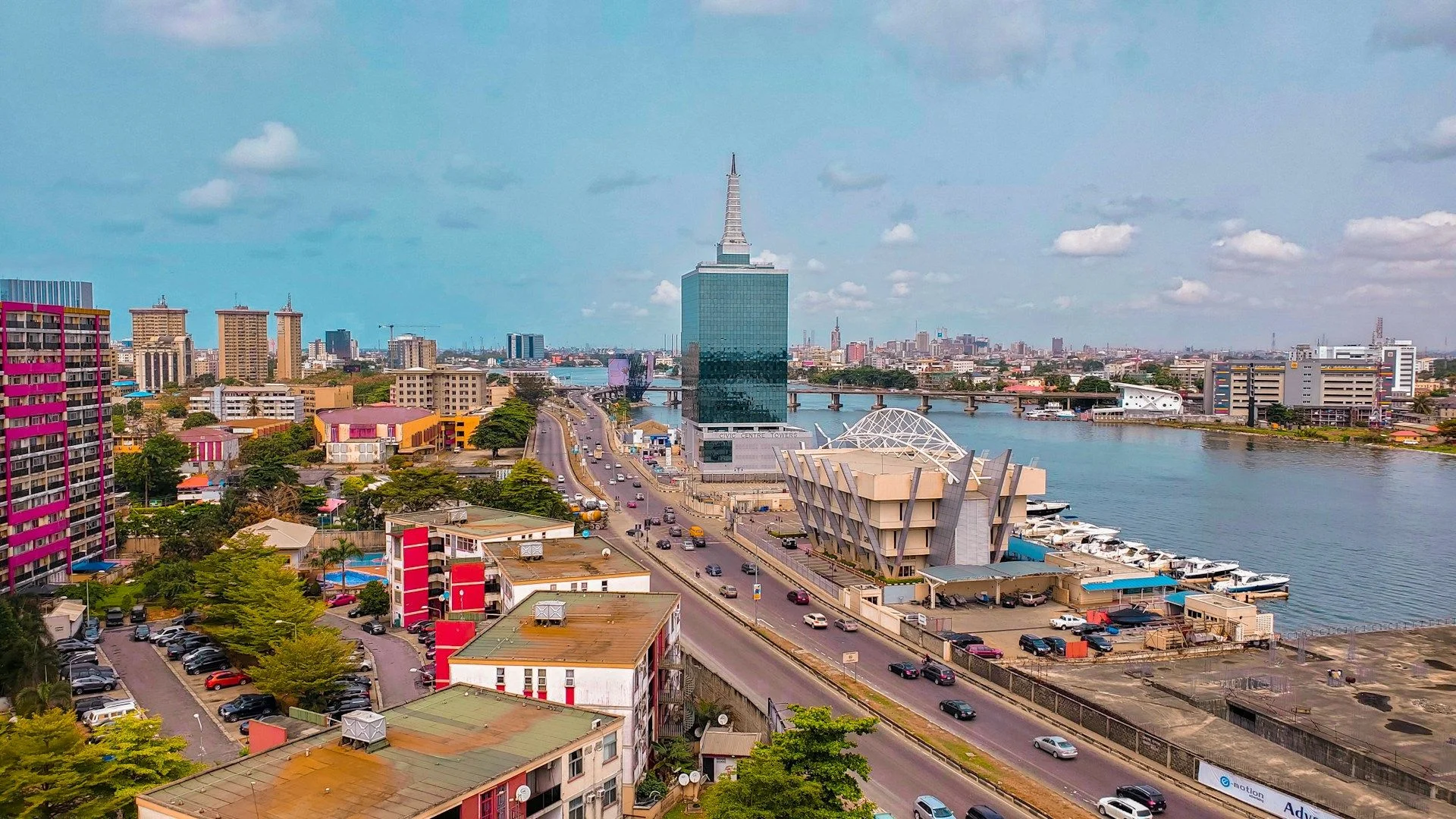
Lagos is the economic powerhouse of Nigeria and one of Africa’s most dynamic megacities. As the largest city in Nigeria and a key financial, commercial, and cultural hub for West Africa, Lagos offers unparalleled real estate opportunities. With over 20 million residents, rapid urbanization, and constant demand for housing, office space, and retail properties, the Lagos property market is one of the most active on the continent. Despite infrastructure challenges, Lagos remains a magnet for local and international investors due to its size, income potential, and long-term appreciation prospects.
Property Types Available in Lagos
The Lagos real estate market is highly segmented and caters to various demographics:
- Luxury apartments and penthouses — Found in neighborhoods like Victoria Island, Ikoyi, and Lekki Phase 1, catering to high-net-worth individuals and expatriates.
- Middle-income flats and townhouses — In areas such as Yaba, Surulere, and Gbagada, often part of gated communities with moderate amenities.
- Affordable housing — Located in suburbs like Ikorodu, Badagry, and Epe, targeting lower-income groups.
- Commercial properties — Office towers, shopping complexes, and co-working spaces in Lagos Island, Ikeja, and Lekki.
- Industrial real estate — Warehouses and logistics hubs in Apapa, Agbara, and along the Lagos-Ibadan Expressway.
- Land for development — Plots available across Lagos mainland and emerging suburbs.
Ownership Laws and Foreign Investment
Foreigners can invest in Nigerian real estate, including Lagos, with full rights under the Land Use Act of 1978:
- Land is held under leasehold — Usually 99 years for individuals and businesses.
- Certificate of Occupancy (C of O) — Essential for proving ownership and securing bank loans.
- Foreigners can buy property — Either as individuals or through locally registered companies.
- Due diligence is critical — To avoid title disputes, especially in informal or unregistered areas.
- Government consent — Required for transferring leasehold land to a new buyer, including foreigners.
Prices and Market Trends
Lagos real estate prices vary significantly based on location and property type:
- Victoria Island / Ikoyi: $200,000 – $2 million for apartments and villas
- Lekki Phase 1: $100,000 – $700,000 for houses or duplexes
- Ikeja / Yaba / Surulere: $50,000 – $250,000 for townhouses or flats
- Ikorodu / Badagry: $20,000 – $80,000 for smaller homes or land
- Commercial property: $500 – $1,500 per m² in key business areas
Rental Demand and Yield Potential
With one of the highest urban populations in Africa, Lagos offers robust rental returns:
- Luxury rentals: $2,000 – $10,000/month in high-end areas
- Mid-range apartments: $400 – $1,200/month in Yaba, Surulere, Gbagada
- Affordable units: $150 – $300/month in outskirts and working-class districts
- Retail space: $50 – $120/m²/month in malls or business districts
- Office space: $300 – $700/m²/year depending on location and amenities
Best Areas for Property Investment in Lagos
Investor hotspots include:
- Ikoyi — Prestigious enclave with embassies, luxury villas, and expat-focused rental demand.
- Victoria Island (VI) — Commercial and residential zone with high-value properties and strong corporate leasing.
- Lekki Phase 1–4 — Rapidly developing with high-rise apartments, gated estates, and demand from young professionals.
- Ikeja — Lagos state capital with offices, malls, and airport access; good for middle-income rentals.
- Yaba — Nigeria’s tech hub with co-working spaces, student housing, and rising demand.
- Ajah and Sangotedo — More affordable than Lekki, attracting first-time buyers and developers.
Infrastructure and Development Initiatives
Lagos continues to benefit from major infrastructure upgrades:
- Lekki Deep Sea Port — A massive logistics project increasing demand for industrial and port-related real estate.
- Lagos Rail Mass Transit (Blue & Red Lines) — Boosting accessibility and prices along corridors like Mile 2 and Marina.
- Eko Atlantic City — A reclaimed coastal smart city targeting luxury real estate investors.
- Road improvements — Expansions along Lekki-Epe Expressway and Third Mainland Bridge.
- Digitization of land records — Ongoing reforms to improve land registration and reduce title disputes.
Buying Process and Transaction Costs
The process of acquiring property in Lagos involves several steps:
- Conduct due diligence — Check title, zoning, and encumbrances with a lawyer and land registry.
- Sign sale agreement — Often accompanied by 10% deposit.
- Obtain Governor’s Consent — Required for land transfer in Lagos State.
- Pay fees — Including:
- Legal fees: 5% of purchase price
- Agency commission: 5% – 10%
- Stamp duty: 0.75% – 1.5%
- Registration fees and taxes: Variable by local council
- Secure C of O — If not already available; essential for resale and mortgage options.
Who Should Invest in Lagos
Lagos is suitable for a wide range of investors:
- Buy-to-let landlords — Seeking high rental yield in both low and high-end segments.
- Property developers — Building residential estates, malls, or office complexes in emerging zones.
- Diaspora Nigerians — Acquiring family homes or investment properties back home.
- Short-let operators — Targeting business travelers and tourists in Lekki, Ikoyi, and VI.
- Commercial investors — Focusing on retail, warehousing, and logistics assets.
Conclusion
Lagos is Africa’s city of opportunity — a complex, fast-growing metropolis offering real estate investment potential across all budget levels. From luxury homes on the Atlantic to affordable housing in growing suburbs, and from tech-enabled co-working spaces to mega-port logistics facilities, Lagos offers something for every investor. With due diligence, local expertise, and a long-term perspective, real estate in Lagos can yield substantial returns in one of the continent’s most influential cities.