
Global Investor Opportunities in SavannakhetResidential land in historicMekong river town
Best offers
in Savannakhet
Benefits of investment in
Laos real estate


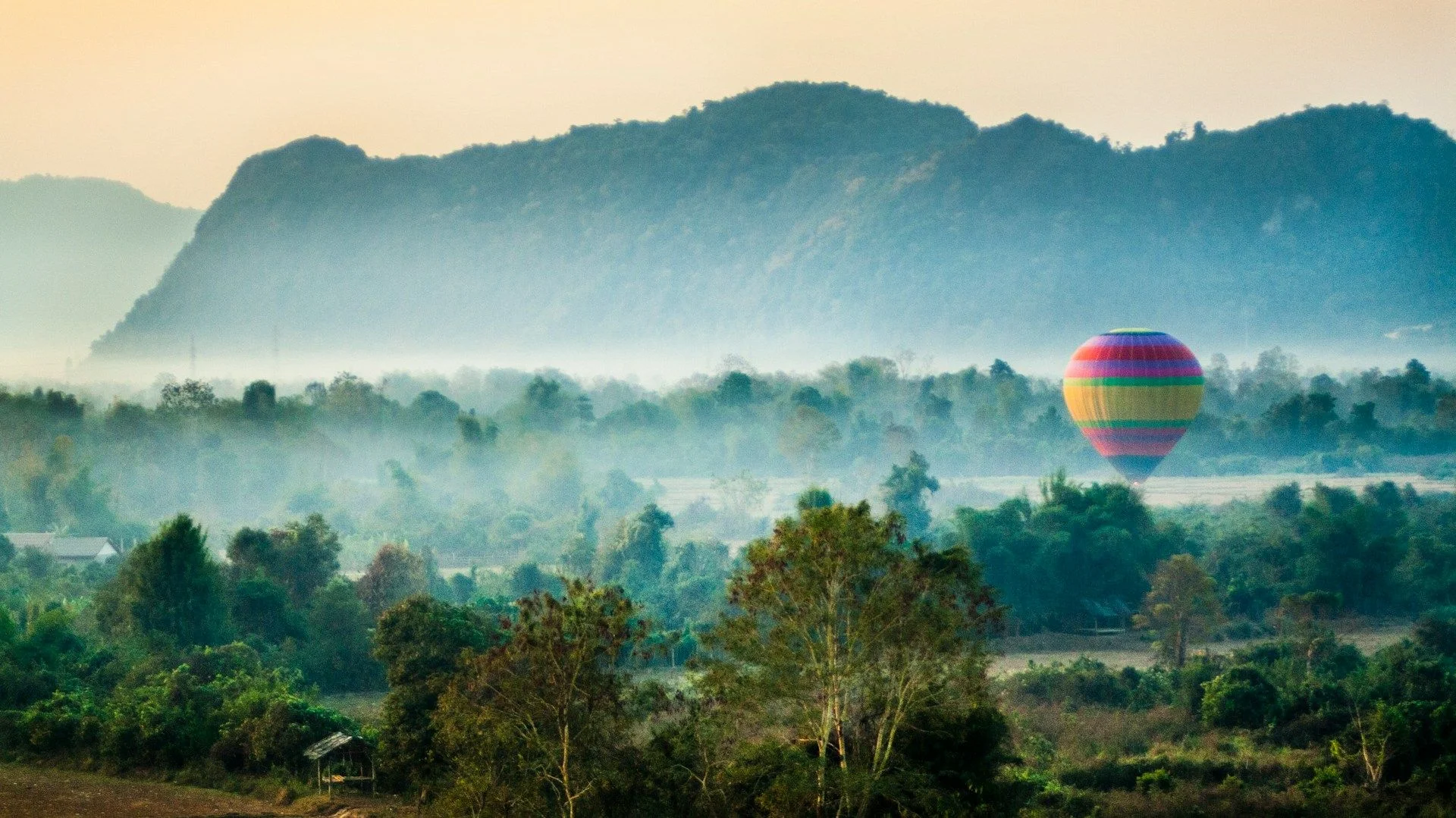
Peaceful living near rivers, temples, and nature
Laos offers affordable homes and guesthouse potential in serene settings like Luang Prabang and Vang Vieng.
Leasehold structure allows foreign home use
Foreigners can’t own land but can secure long-term leases, particularly in tourism zones and urban areas.
Low living costs and quiet pace of life
With gentle climate, friendly locals, and low pricing, Laos appeals to retirees and remote workers alike.
Peaceful living near rivers, temples, and nature
Laos offers affordable homes and guesthouse potential in serene settings like Luang Prabang and Vang Vieng.
Leasehold structure allows foreign home use
Foreigners can’t own land but can secure long-term leases, particularly in tourism zones and urban areas.
Low living costs and quiet pace of life
With gentle climate, friendly locals, and low pricing, Laos appeals to retirees and remote workers alike.
Useful articles
and recommendations from experts








Real Estate in Savannakhet, Laos
Why Invest in Real Estate in Savannakhet
Savannakhet, the second-largest city in Laos, sits along the Mekong River and plays a key role in regional trade and cross-border commerce. It is strategically located across from Mukdahan, Thailand, with a direct connection via the Second Thai–Lao Friendship Bridge. As part of the East–West Economic Corridor, Savannakhet links Vietnam, Thailand, and Myanmar, enhancing its relevance for logistics, industry, and regional integration.
Unlike Vientiane, Savannakhet remains underdeveloped, offering low land prices and early investment opportunities. With steady urbanization, growth in manufacturing (notably in the Savan-Seno Special Economic Zone), and increasing demand for cross-border services, the city’s real estate market is becoming more appealing to investors seeking long-term gains.
Types of Properties Available
Savannakhet's real estate offerings are varied and increasingly attractive for both locals and foreign investors targeting regional logistics and tourism. Key property types include:
- Residential houses and villas: Found in central areas like Kaysone Phomvihane District, often on large plots with garden potential.
- Apartments and low-rise condos: Limited in number but emerging in areas near hospitals, schools, and government buildings.
- Commercial properties: Shop-houses, offices, and warehouses along Route 9 and near the border bridge.
- Hospitality properties: Guesthouses, riverside hotels, and boutique accommodations serving business travelers and tourists.
- Land plots: Both urban and peri-urban, suited for logistics centers, retail, housing, or agricultural use.
Due to low construction costs and abundant space, many investors pursue build-to-rent or long-term development projects with relatively low capital requirements.
Property Prices and Market Trends
Property prices in Savannakhet are significantly lower than in Vientiane or Luang Prabang, with great potential for appreciation as infrastructure and cross-border commerce expand. Price increases are most notable near the Thai border and within the Special Economic Zone.
Estimated property prices in 2025:
- 3-bedroom house in central Savannakhet: $45,000–$90,000 USD
- 1–2 bedroom apartment: $25,000–$60,000 USD
- Commercial shop-house near market or bridge: $70,000–$150,000 USD
- Land plots (urban, 500–1000 m²): $20–$60 USD/m²
- Land in peri-urban districts: $5–$15 USD/m²
Prices are gradually increasing in areas near the airport, industrial zones, and tourism hotspots, especially for well-titled land with road access and utilities.
Rental Market and Yield Potential
The rental market in Savannakhet is modest but expanding, driven by business visitors, cross-border traders, NGO workers, and professionals involved in SEZ activities. Residential demand is highest for houses and villas with access to paved roads and amenities, while retail and warehouse rentals are in demand along transport corridors.
Typical rental rates:
- 3-bedroom house (furnished): $300–$700 USD/month
- 1-bedroom apartment: $150–$350 USD/month
- Guesthouse room (nightly): $15–$45 USD/night
- Shop-house or retail front: $300–$800 USD/month depending on foot traffic
- Warehouse or logistics depot: $1–$3 USD/m²/month
Gross rental yields range from 6% to 10%, with higher returns possible for commercial properties and border-trade-related rentals. Demand is rising in sync with trade flows and economic activity in the corridor.
Top Neighborhoods for Investment
Savannakhet is composed of several districts, with investment potential concentrated in urban and border-accessible areas:
- Kaysone Phomvihane District: The urban core, home to government buildings, banks, schools, and the city’s main commercial and hospitality venues.
- Savan-Seno SEZ area: Logistics and industrial hub attracting foreign investors, especially from Thailand, Vietnam, and Japan.
- Road 9 corridor: Connects Thailand to Vietnam — ideal for retail, fuel stations, and warehousing.
- Riverside areas: Emerging hospitality zones offering views, proximity to the night market, and tourism appeal.
- Dong Natad and Dong Phosy: Suburban districts with affordable land for residential projects or agricultural ventures.
Investors seeking capital growth should target areas along new infrastructure projects, while those seeking cash flow may focus on zones near the SEZ or the Friendship Bridge.
Legal Framework and Foreign Ownership
As in the rest of Laos, foreigners cannot directly own land in Savannakhet. However, legal options exist to enable secure real estate investment through structures such as:
- Long-term land leases: Available for up to 30 years (renewable), widely used for residential and commercial projects.
- Lao-registered companies: Foreigners can hold shares (up to 99% in certain sectors) and acquire land through a locally registered business with proper licenses.
- Condominium ownership: While rare in Savannakhet, future projects may allow foreign ownership above ground level.
- Concession agreements: For tourism and industrial projects, the government may grant usage rights over longer periods.
All transactions should be handled through local lawyers, with thorough title verification and lease registration. Land titles in Laos may be “soft” or “hard,” with the latter preferred for long-term security.
Infrastructure and Development Projects
Savannakhet’s infrastructure has improved significantly due to trade corridor investment and economic zone development. Key infrastructure elements include:
- Second Thai–Lao Friendship Bridge: Enables cross-border trade and logistics with Thailand, fueling commerce and industrial growth.
- Savan-Seno SEZ: Special zone offering tax incentives, industrial land, and streamlined procedures for foreign companies.
- Savannakhet Airport: Handles regional flights; future upgrades may support greater tourist and investor traffic.
- Road 9 and Route 13 improvements: Enhanced road links from Thailand to Vietnam and north to Vientiane.
- Electricity and water networks: Expanding coverage in urban and peri-urban zones.
These developments contribute to rising land values and better feasibility for mid-sized residential or commercial projects, particularly in underserved suburbs.
Economic Outlook and Investment Climate
Savannakhet is a cornerstone of Laos’s regional development strategy. Its strategic location and participation in ASEAN transport corridors make it a gateway for trade and industry. The SEZ continues to attract foreign capital, boosting local incomes and rental demand.
Advantages of investing in Savannakhet include:
- Strategic location with access to Thailand and Vietnam
- Low land and property prices
- Industrial and logistics growth within the SEZ
- Favorable investment policies and low competition
The city is also fostering tourism through riverside revitalization, cultural preservation, and improved hospitality standards. These dynamics support the emergence of new real estate segments beyond pure logistics.
Challenges and Risk Considerations
Despite its potential, Savannakhet presents some challenges:
- Limited liquidity: The real estate market is still small and relatively illiquid; exit strategies may take time.
- Title reliability: Land title systems are still evolving; hard titles are preferable for foreign investors.
- Language and legal hurdles: All documentation is in Lao; legal assistance is essential for foreign parties.
- Infrastructure gaps: While improving, some areas still lack reliable water, electricity, or paved access.
Mitigating these risks involves choosing well-located properties, securing professional legal guidance, and focusing on long-term value rather than short-term speculation.
Conclusion
Savannakhet offers one of the most accessible and undervalued real estate markets in Southeast Asia. With its growing role in regional trade, expanding industrial activity, and low-cost development environment, the city is an ideal frontier for investors seeking long-term appreciation and modest but stable rental returns.
Whether you're targeting residential expansion, cross-border logistics infrastructure, or hospitality tied to cultural tourism, Savannakhet stands out as a promising city with room to grow. For early adopters with a strategic mindset and patience, the real estate opportunities here may prove exceptionally rewarding.