
Value-Add Real Estate Investments in DhakaCapital of density, noiseand nonstop motion
Best offers
in Dhaka
Benefits of investment in
Bangladesh real estate

Urban expansion driving residential demand
Dhaka continues to expand with infrastructure growth and middle-class housing needs.
Affordable entry into a growing market
Local pricing remains accessible while construction quality and amenities steadily improve.
Strong domestic demand in key cities
Rental demand is driven by a young, growing population seeking housing in urban zones.
Urban expansion driving residential demand
Dhaka continues to expand with infrastructure growth and middle-class housing needs.
Affordable entry into a growing market
Local pricing remains accessible while construction quality and amenities steadily improve.
Strong domestic demand in key cities
Rental demand is driven by a young, growing population seeking housing in urban zones.


Useful articles
and recommendations from experts
Real Estate in Dhaka, Bangladesh
Why Invest in Property in Dhaka
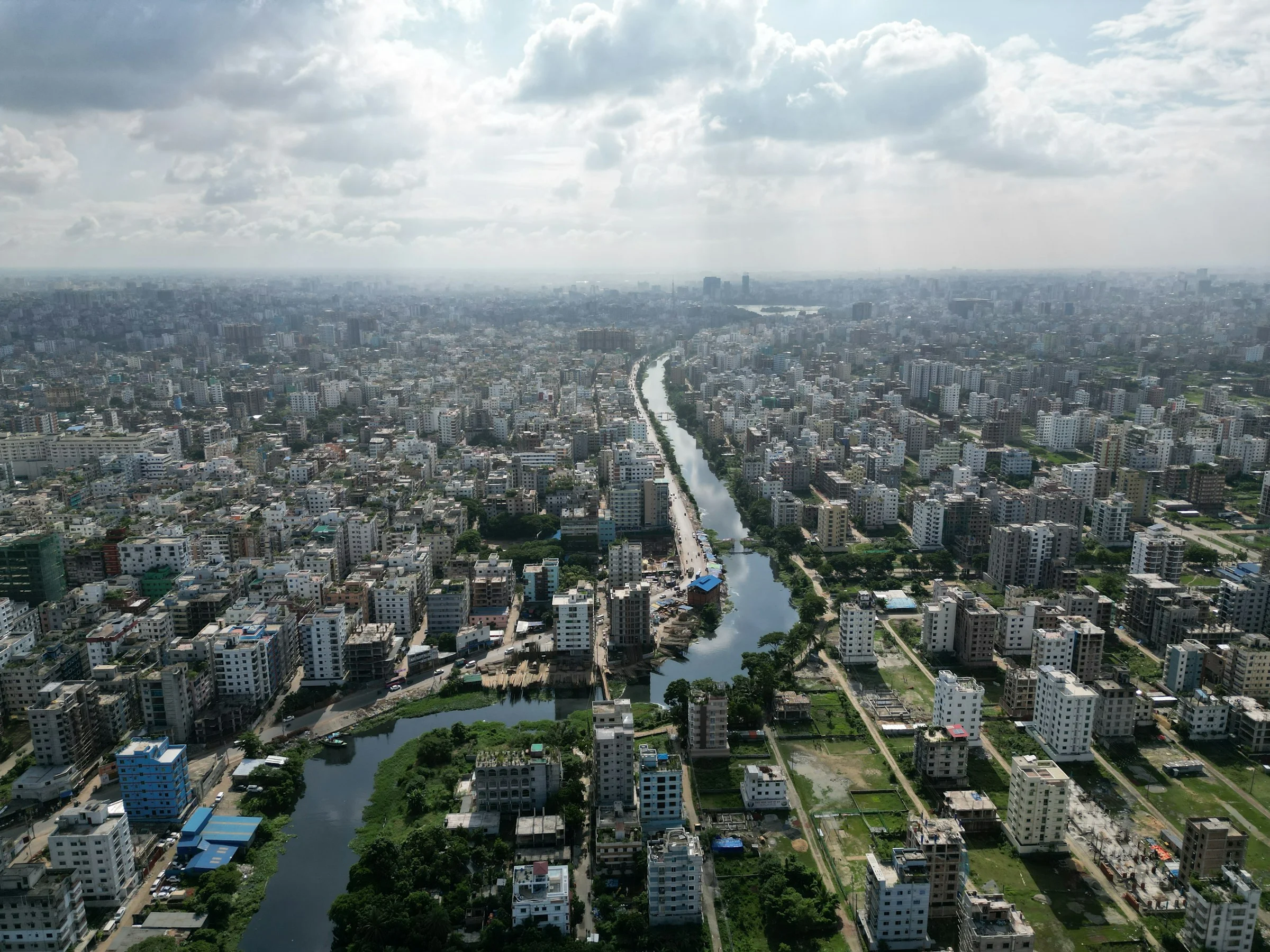
Dhaka, the capital of Bangladesh, is one of the fastest-growing megacities in South Asia. With a population exceeding 20 million and continuous demand for housing, commercial space, and infrastructure, Dhaka presents both challenges and substantial opportunities for real estate investors. As the country’s financial, political, and cultural center, Dhaka attracts local entrepreneurs, multinational corporations, government projects, and an expanding middle class. Despite infrastructure stress and regulatory complexities, the city’s property market offers strong rental yields, price appreciation, and long-term demand driven by urbanization and limited supply.
Types of Property Available
Dhaka’s property landscape is diverse, ranging from high-rise apartments to mixed-use commercial buildings:
- Residential apartments — Dominant in areas like Gulshan, Banani, Dhanmondi, and Uttara. Ranging from mid-market to luxury flats, often in gated communities or towers.
- Independent houses — Less common and primarily available in older neighborhoods like Mohammadpur or private plots in Uttara.
- Commercial buildings — Office spaces, retail shops, and showrooms located in central business districts or on major roads.
- Mixed-use developments — Projects combining retail, residential, and hospitality, often in newly developed zones.
- Land plots — Available in peripheral areas like Purbachal, Keraniganj, or Bashundhara Extension for long-term development.
Ownership Laws and Legal Framework
Foreign ownership of land in Bangladesh is restricted, but there are options for foreign entities and individuals:
- Direct land ownership is limited — Foreigners cannot directly own land, but may lease for long periods or invest through joint ventures or companies.
- Apartment purchase via local partnerships — Some developers offer structured agreements allowing foreigners to invest in units within projects.
- Corporate structure investment — Foreign companies registered in Bangladesh can purchase and own property for operational use.
- Transfer and registration — All property must be registered with the Sub-Registry Office; stamp duty, registration fees, and VAT apply.
Price Ranges and Market Dynamics
Prices in Dhaka vary significantly based on location, project quality, and infrastructure access. As of 2025:
- Luxury apartments in Gulshan/Banani: $1,000 – $1,800 per m²
- Mid-range apartments in Uttara/Mirpur: $600 – $900 per m²
- Budget flats in Rampura or Demra: $300 – $500 per m²
- Commercial space (CBD areas): $2,000+ per m²
- Land plots in emerging zones: $150 – $500 per m² depending on distance and road access
- Residential: 5%–8% gross annually depending on tenant profile and furnishing
- Commercial: 7%–10% in central zones with high foot traffic
Best Areas to Buy Property in Dhaka
Dhaka's neighborhoods vary widely in their market appeal and pricing:
- Gulshan — Premium location, home to embassies, multinational offices, and luxury condos. High liquidity and rental demand.
- Banani — Adjacent to Gulshan, a mix of residential and commercial, with trendy dining and shopping areas.
- Dhanmondi — Education and culture hub, popular with professionals and families. Strong resale potential.
- Uttara — A planned township with zoned sectors, offering a mix of mid- and high-end residential properties.
- Mirpur — Affordable and developing rapidly, with a focus on local buyers and good metro connectivity.
- Purbachal — A large-scale government-backed expansion project offering future-ready infrastructure and land investment opportunities.
Investment Scenarios and Buyer Profiles
Real estate in Dhaka attracts different types of investors:
- Local buy-to-rent investors — Purchasing flats in mid-tier zones to rent to professionals or students.
- Diaspora Bangladeshis — Acquiring property for family, retirement, or as a hedge in a growing homeland market.
- Commercial developers — Investing in land or buildings for retail and office expansion.
- Industrial expansion — Using Dhaka outskirts for warehouses and logistics facilities tied to the manufacturing boom.
- Long-term land bankers — Acquiring plots in Purbachal, Bashundhara, or Savar with a 10–15 year appreciation view.
Challenges and Risks
Dhaka’s real estate market also presents key risks investors should understand:
- Legal complexity — Title fraud, unclear ownership, and multiple inheritance claims are common without due diligence.
- Construction delays — Developers may not meet timelines; escrow or stage-wise payment plans are critical.
- Infrastructure limitations — Frequent traffic jams, inconsistent electricity, and water issues affect rental value.
- Regulatory shifts — Changes in tax, registration, or zoning laws can impact feasibility and returns.
- Environmental vulnerability — Flooding and poor drainage in some areas can limit usability.
Conclusion: Who Should Invest in Dhaka
Dhaka offers strong long-term potential for investors who understand the local market dynamics and are prepared for the complexities. With a booming population, consistent housing demand, and competitive prices, the city is especially suitable for diaspora buyers, mid-scale rental investors, and strategic developers looking at mixed-use and commercial opportunities. While the legal and infrastructural environment requires caution, the right properties in the right zones can deliver steady income and capital appreciation in one of Asia’s most populous and rapidly evolving cities.