
Owner property in Czech RepublicPrivate listings with transparent property descriptions


Best offers
in Czech Republic
Real estate from owners in Czech Republic


Tourism revenue streams
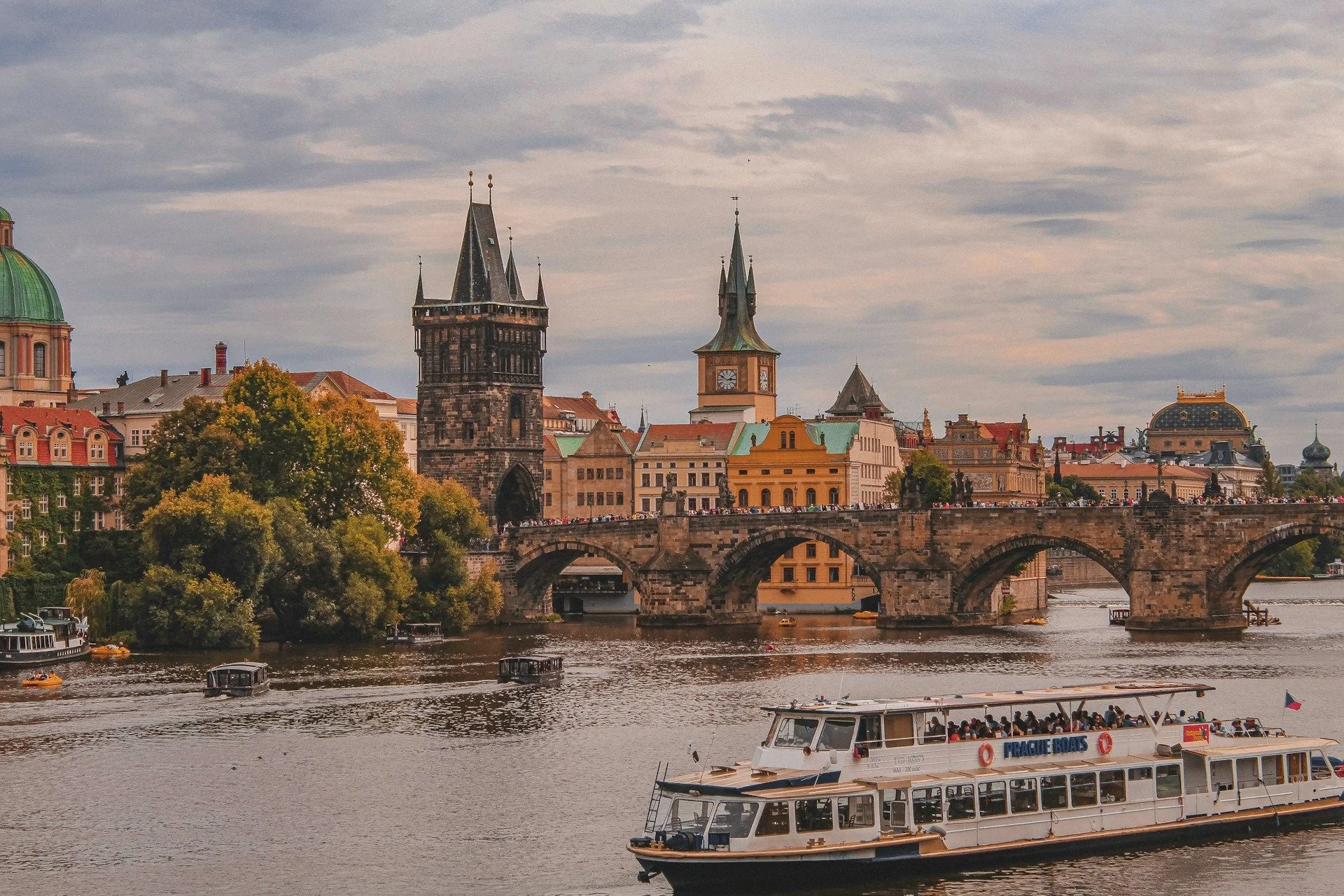
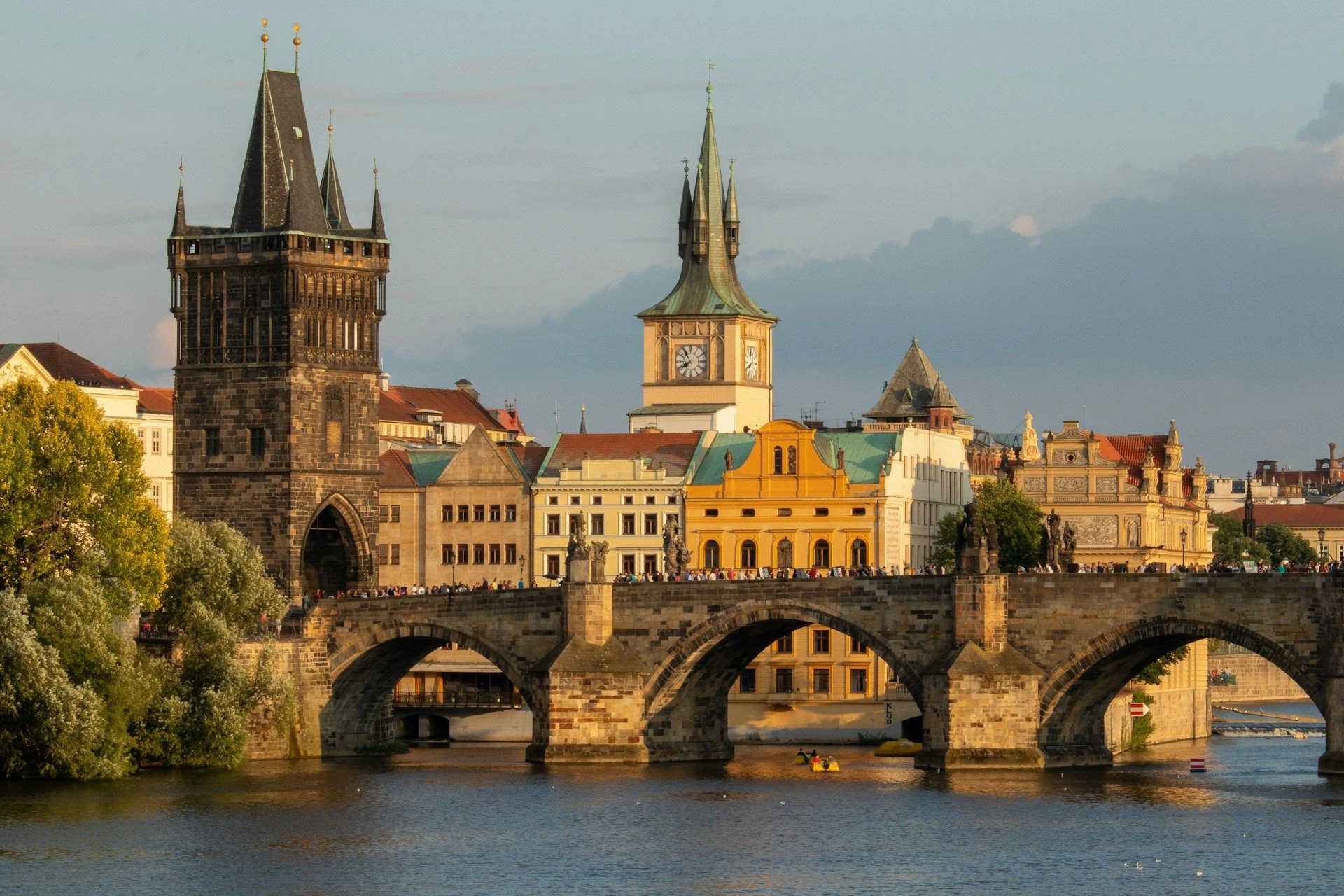
Prague's year-round visitor appeal creates reliable rental demand for central properties. Direct purchases from owners provide authentic occupancy data and management insights. Invest in apartments with proven tourism performance metrics.
Spa town investments
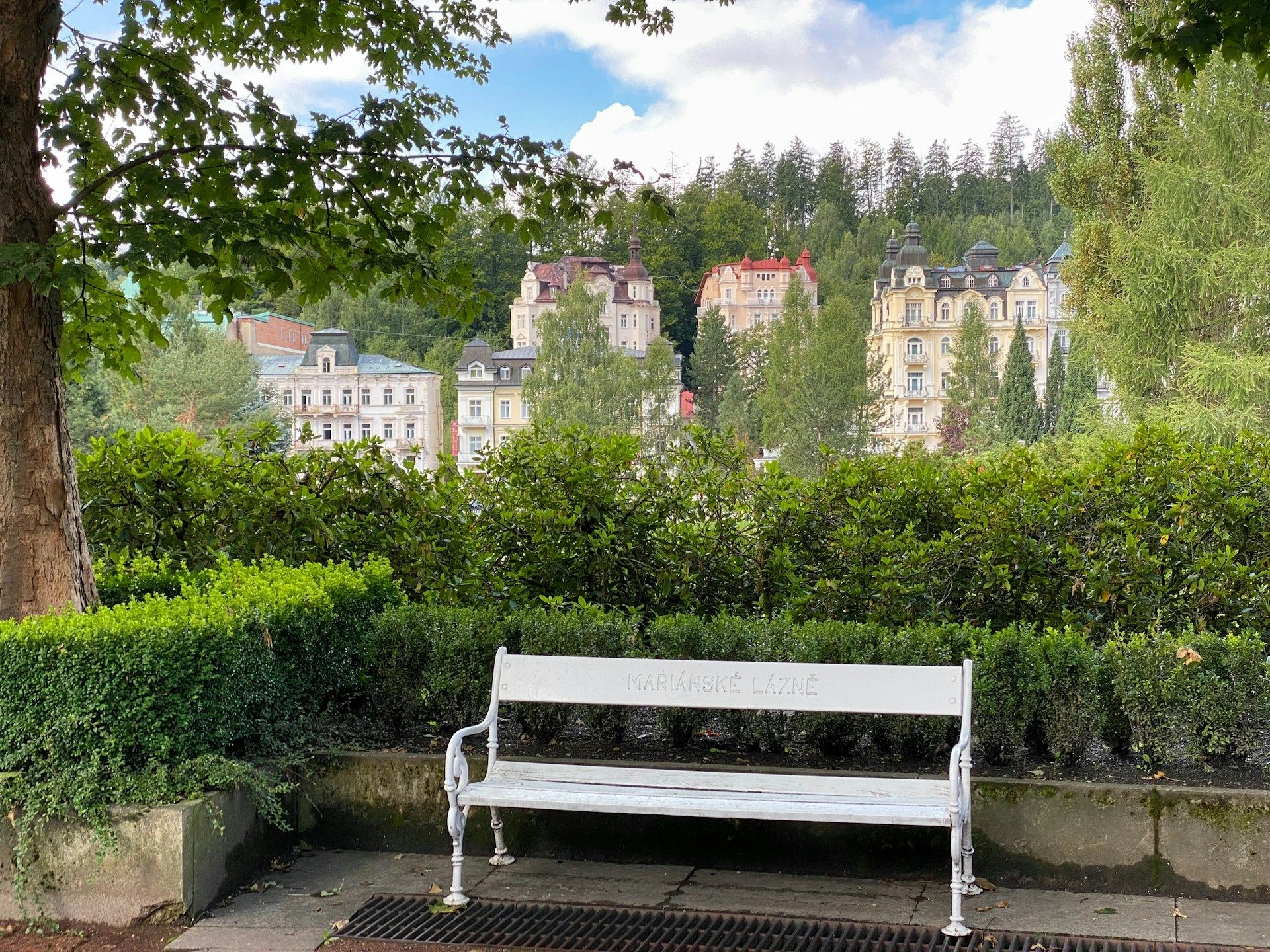
Historic thermal resorts like Karlovy Vary offer specialized property markets with international clientele. Buying directly reveals operational knowledge of therapeutic tourism. Secure real estate in Central Europe's premier wellness destinations.
Industrial transition assets
Former manufacturing regions now attract technology firms and renovation projects. Direct owners provide insights into urban regeneration timelines. Acquire properties in transforming districts before full revaluation.
Tourism revenue streams
Prague's year-round visitor appeal creates reliable rental demand for central properties. Direct purchases from owners provide authentic occupancy data and management insights. Invest in apartments with proven tourism performance metrics.
Spa town investments
Historic thermal resorts like Karlovy Vary offer specialized property markets with international clientele. Buying directly reveals operational knowledge of therapeutic tourism. Secure real estate in Central Europe's premier wellness destinations.
Industrial transition assets
Former manufacturing regions now attract technology firms and renovation projects. Direct owners provide insights into urban regeneration timelines. Acquire properties in transforming districts before full revaluation.








Useful articles
and recommendations from experts
Czech Property Transitions: Direct Acquisition in Central Europe's Evolving Market
The Czech real estate landscape operates through distinctive post-transition dynamics where historic preservation meets contemporary investment flows, creating particular conditions favoring direct buyer-seller engagements. This market reflects the nation's unique position as both preserved medieval treasure and modern European economy, with property values responding to tourism density, industrial transformation, and cross-border capital movements. Direct transactions frequently unlock access to properties within historic centers where traditional ownership networks dominate, while also providing pathways into regenerating industrial zones undergoing dramatic redefinition. For purchasers pursuing assets without intermediary layers, understanding the Czech Republic's regional disparities and evolving regulatory frameworks proves essential for identifying opportunities matching both lifestyle aspirations and investment parameters within Central Europe's most geographically concentrated property market.
Urban concentration and tourism saturation dynamics
Prague's overwhelming dominance within the Czech property market creates unique conditions where approximately one-third of national transactions occur within the capital's metropolitan region. This concentration produces specialized market behaviors where historic center properties command substantial premiums based on tourism accessibility rather than conventional residential metrics. Direct sellers in Prague's differentiated districts provide nuanced understanding of short-term rental regulations, tourist density patterns, and preservation requirements affecting specific neighborhoods. This localized expertise proves invaluable when evaluating properties in a city where building facades often mask dramatically different interior conditions, ownership structures, and income potential depending on precise location within seemingly uniform historic quarters.
Architectural stratification and adaptation challenges
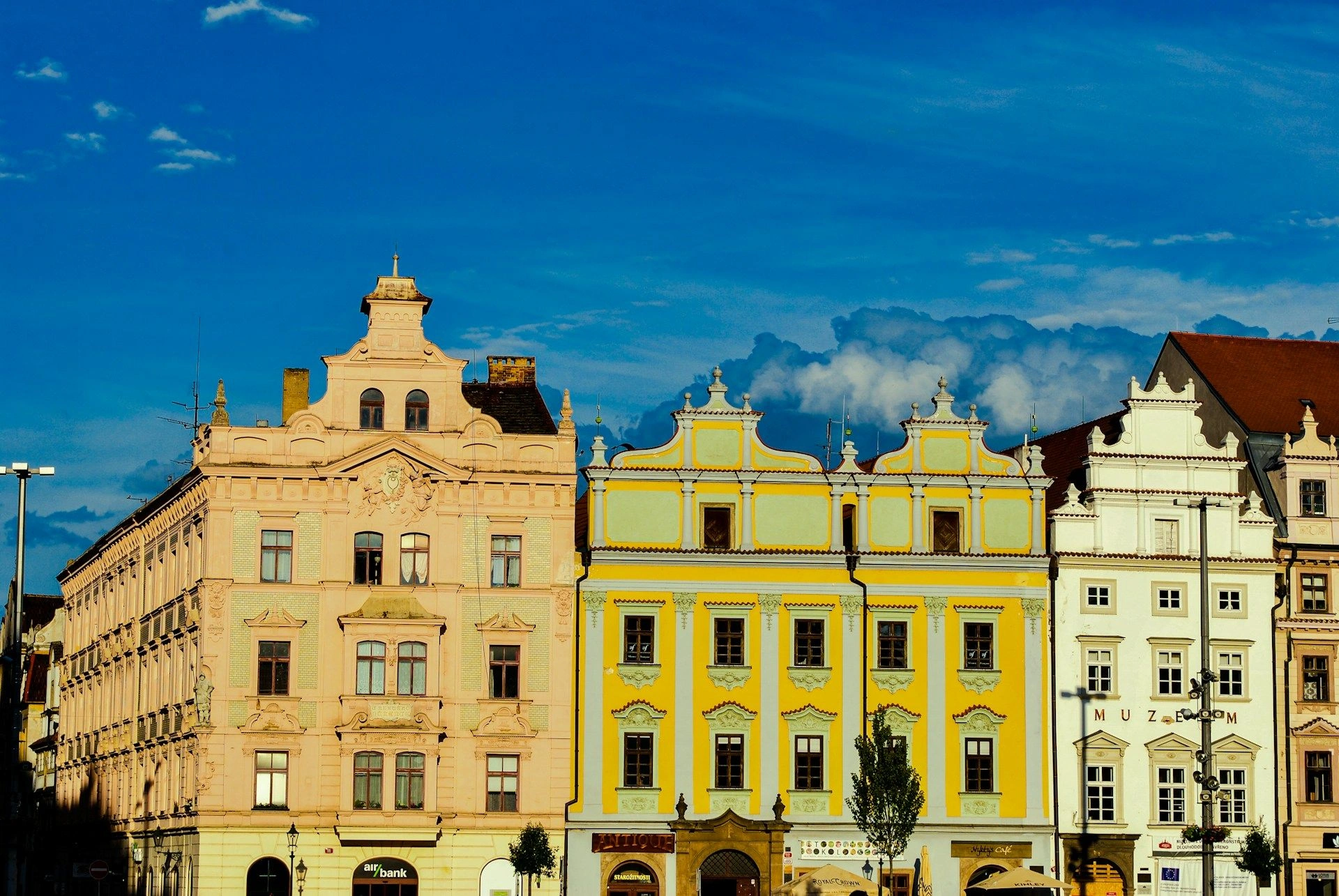
The Czech built environment presents remarkable architectural layering where Gothic, Renaissance, Baroque, Art Nouveau, and Communist-era structures exist in close proximity, each requiring different maintenance approaches and renovation philosophies. Direct sellers of period properties often possess multi-generational knowledge about material authenticity, traditional craft techniques, and regulatory constraints specific to their building's era and style. This expertise facilitates transactions involving historically significant properties where standardized due diligence processes might overlook nuanced considerations regarding structural integrity assessments of medieval masonry, humidity management in stone foundations, or appropriate restoration methodologies for facades with cultural heritage status. Such detailed understanding helps buyers accurately evaluate renovation requirements and long-term preservation responsibilities.
Legal frameworks in harmonizing systems
Czech property legislation continues integrating European standards while navigating complex restitution histories and evolving registration systems. The nation's cadaster provides improving transparency, yet direct transactions frequently benefit from sellers' personal knowledge of specific property backgrounds, including privatization histories, cooperative conversions, and inheritance arrangements. While professional legal assistance remains essential, direct communication often accelerates document collection and clarifies contextual details that might otherwise require extensive investigation. This collaborative approach proves particularly valuable for properties with complex backgrounds, such as former state enterprise buildings, restituted religious properties, or structures straddling historical preservation zones with varying regulatory requirements.
Regional economic rebalancing initiatives
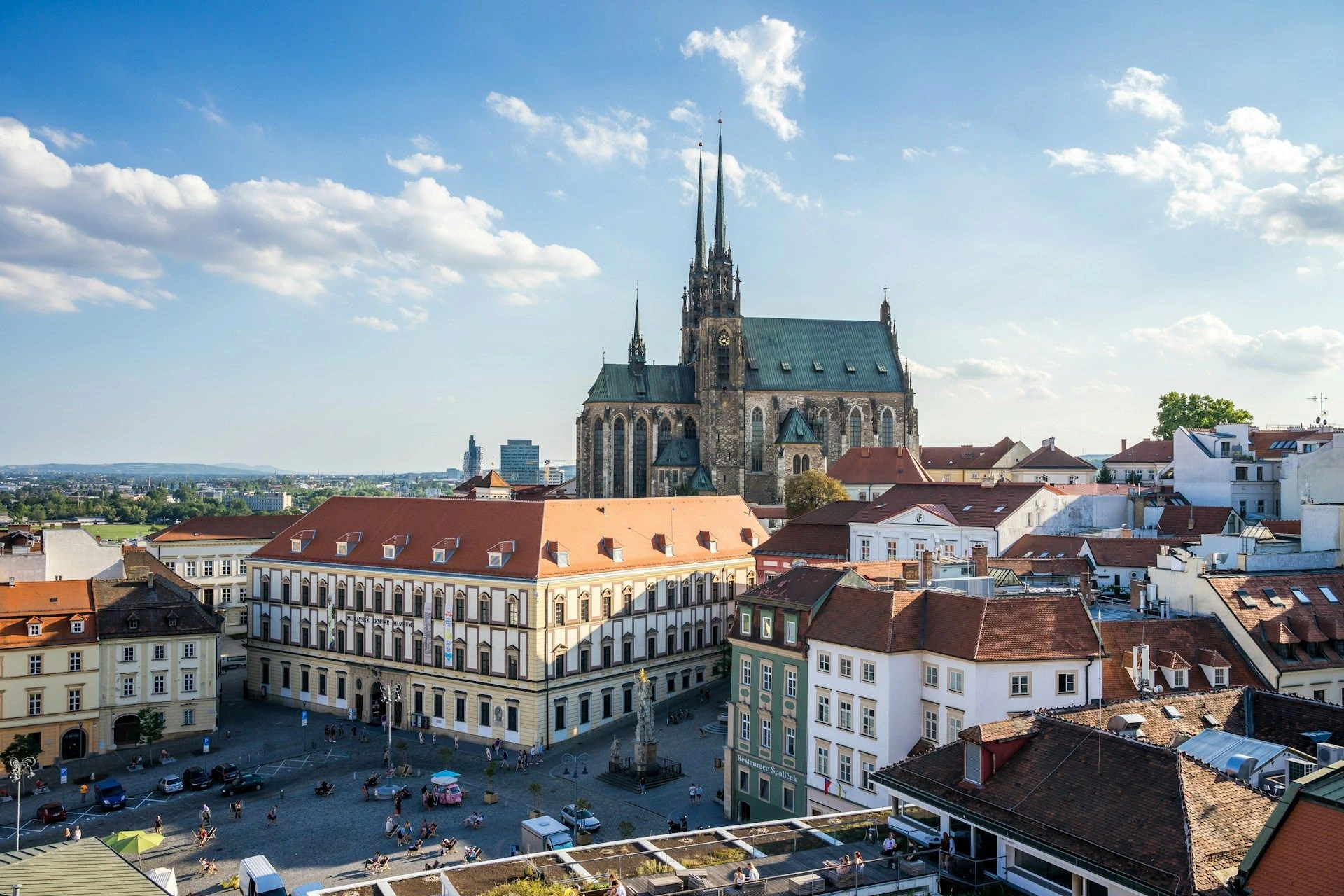
Beyond Prague's dominance, the Czech property market reveals pronounced regional variations reflecting different economic trajectories. Industrial centers like Ostrava undergo dramatic transformation from mining and manufacturing toward technology and education, creating property opportunities in regenerating urban zones. University cities like Brno and Olomouc maintain stable demand from academic communities, while spa destinations such as Karlovy Vary and Mariánské Lázně cater to specialized therapeutic tourism markets. Direct sellers in these regions provide granular insights about local redevelopment projects, infrastructure investments, and demographic shifts affecting their specific locations. This ground-level intelligence helps buyers evaluate assets within appropriate regional contexts rather than relying on Prague-centric market assumptions.
Brownfield regeneration and urban transformation
Former industrial regions across the Czech Republic present distinctive property opportunities where environmental remediation, architectural adaptation, and functional reprogramming intersect. These transformation zones—from Prague's Karlín district to Ostrava's Dolní Vítkovice complex—involve complex considerations regarding contamination assessments, structural adaptations, and mixed-use development permissions. Direct sellers with involvement in regeneration projects provide firsthand perspectives on transformation timelines, partnership structures with municipal authorities, and practical challenges converting industrial heritage into contemporary spaces. This operational knowledge proves essential when evaluating properties in transitional areas where future value depends on successful execution of regeneration visions rather than established neighborhood characteristics.
Cross-border investment flows and market integration
The Czech Republic's Central European positioning creates property market influences extending beyond national borders through German, Austrian, and Slovak investment channels. Border regions exhibit distinctive characteristics where cross-border commuting patterns, service utilization, and capital flows affect local property demand differently than inland areas. Direct sellers in these zones provide insights about transnational dynamics, including practical information regarding cross-border taxation implications, currency considerations, and regulatory divergences that influence property transactions. This borderland intelligence proves valuable for buyers considering properties in regions where national market analyses insufficiently capture cross-border economic integrations affecting long-term value trajectories.
Due diligence in transitioning regulatory environments
Prospective direct buyers should investigate local zoning plan amendments (územní plán) that reveal forthcoming development possibilities affecting specific properties. Understanding historical monument categorization is essential for properties in protected zones where renovation permissions follow specialized procedures. Researching environmental burden certificates (ekologická zátěž) proves crucial for properties on former industrial or agricultural land where contamination risks may exist. Examining transportation corridor developments indicates future accessibility changes affecting neighborhood dynamics. These localized factors frequently outweigh national trends when evaluating properties within the Czech Republic's rapidly evolving but unevenly implemented regulatory frameworks.
Strategic positioning in Central Europe's core
The Czech Republic represents a pivotal property market within Central Europe's most industrialized and accessible region, offering scale advantages combined with preserved cultural assets. Direct acquisition approaches enable buyers to access opportunities often overlooked by conventional investment channels while establishing relationships within local networks. Successful transactions typically involve recognizing the nation's specific value propositions—whether historic preservation potential, brownfield regeneration opportunities, or strategic positioning within European transportation networks—and negotiating directly with owners who understand these assets' unique characteristics within the Czech context. This approach facilitates acquisitions aligned with the nation's development trajectory rather than imported property models, potentially yielding advantages as the market continues maturing within European frameworks while preserving its distinctive architectural and cultural heritage.